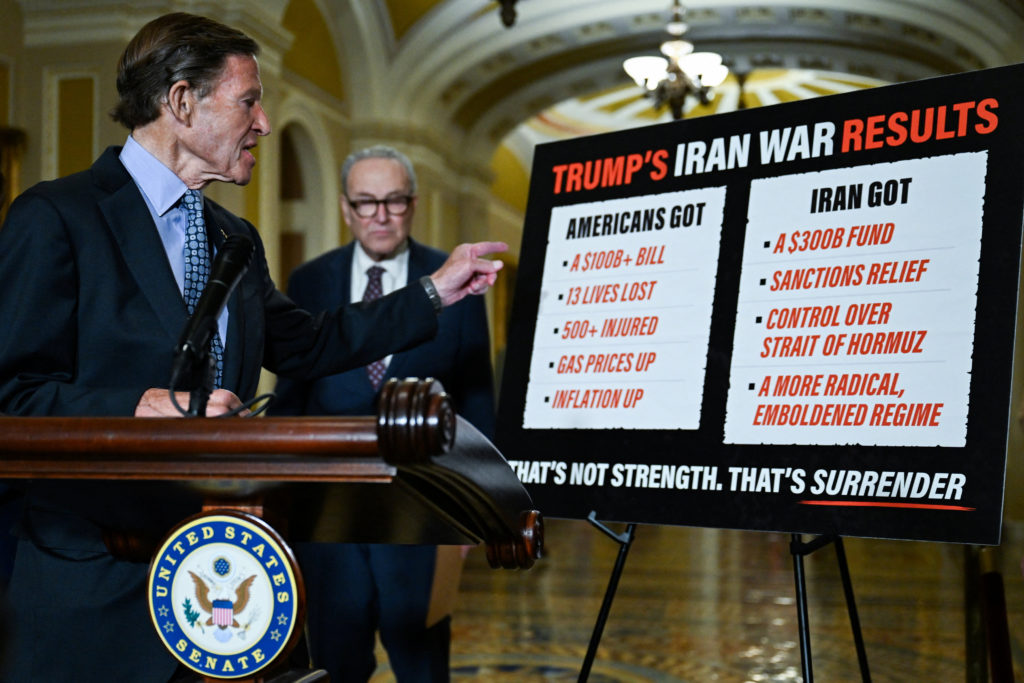
The United States Senate voted to adopt a war powers resolution that limits President Donald Trump’s military authority over Iran, marking the first time the chamber has approved such a measure in rebuke of the president regarding this specific conflict. The vote, which passed with a margin of 50-48, represents a rare bipartisan pushback against executive action in foreign policy. While the resolution calls for an end to military operations or seeks congressional authorization, it is largely considered symbolic as it does not carry the force of law without House approval and presidential signature.
The measure was supported by Democrats and a small number of Republicans. According to reports, four Republicans joined all but one Democrat in favor of the resolution. This coalition instructed President Trump to halt military operations against Iran or seek explicit authorization from Congress. The vote serves as a formal rebuke of the administration’s conduct of the war, which has proceeded without prior congressional approval. Congressional records indicate that Congress never authorized military action in Iran, a point emphasized by observers noting the constitutional implications of the president's authority.
The passage of this resolution highlights growing pressure on the Trump administration from within its own party regarding the broader diplomatic and economic framework surrounding the conflict. Senate Republicans have expressed a desire for more details on what is being described as Trump’s Iran deal. Questions remain among lawmakers regarding sanctions relief, nuclear restrictions, and the necessity of congressional approval for any final settlement. This internal GOP pressure coincides with the symbolic vote, suggesting that legislative concerns extend beyond the immediate war powers issue to the terms of any potential peace agreement.
This event marks a significant shift in legislative history concerning this conflict. It was the tenth time the Senate had attempted to stop the war, yet previous efforts had failed. The outcome of 50-48 represents a turnaround from past efforts, which were often defeated along strict party lines. The vote was nearly along party lines, underscoring the partisan nature of the debate, though the inclusion of Republican votes provided a degree of bipartisan support for limiting executive war powers.
The White House has responded to the legislative developments, with correspondents noting the rarity of such a rebuke from Congress against a sitting president. The resolution does not immediately end hostilities but establishes a legislative record opposing the current military strategy and demanding greater congressional oversight in future actions or diplomatic negotiations. The Senate’s action places the issue back on the agenda for further debate regarding the balance of power between the executive and legislative branches in matters of war and peace.
Read the original coverage
💬 Comments
📜 Comment Policy