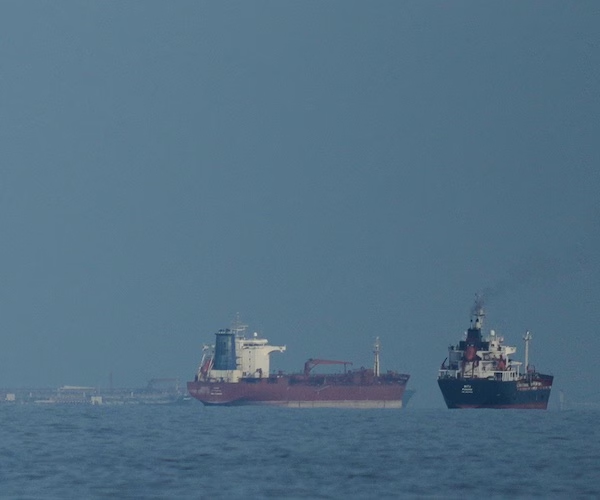
The US Treasury Department on Thursday imposed sanctions on 17 vessels and the companies that own them, targeting what it described as the remaining elements of Iran’s “shadow fleet.” The sanctions aim to disrupt Iran’s ability to export crude oil, petroleum products, and petrochemicals, depriving the country of revenue that, according to Treasury Secretary Scott Bessent, could be used to “wage war in the region.” The targeted vessels reportedly transported millions of barrels of Iranian oil to markets in South and East Asia.
The Treasury Department stated that the action “effectively neutralizes the vast majority of Iran’s remaining shadow fleet network.” The sanctions target both the vessels themselves and their owners, accusing them of operating within Iran’s petroleum and petrochemical sectors.
Middle East Eye reported the US imposed the sanctions as a step to increase pressure on Tehran. No center-leaning outlets reported this story. Right-leaning Newsmax reported the same facts, emphasizing the Trump administration’s role in initiating the sanctions. Both outlets reported the same details regarding the number of vessels sanctioned and the stated rationale behind the move.
Our reading is that the US is escalating economic pressure on Iran through sanctions targeting its oil export network, building on previous actions initiated during the Trump administration. The selective reporting, with center-leaning outlets absent and hard-right Newsmax emphasizing the prior administration’s role, suggests a deliberate framing of the sanctions as a continuation of established policy rather than a new development. The stated rationale of preventing Iran from funding regional conflict reinforces a narrative of Iranian aggression.
Read the original coverage
💬 Comments
📜 Comment Policy