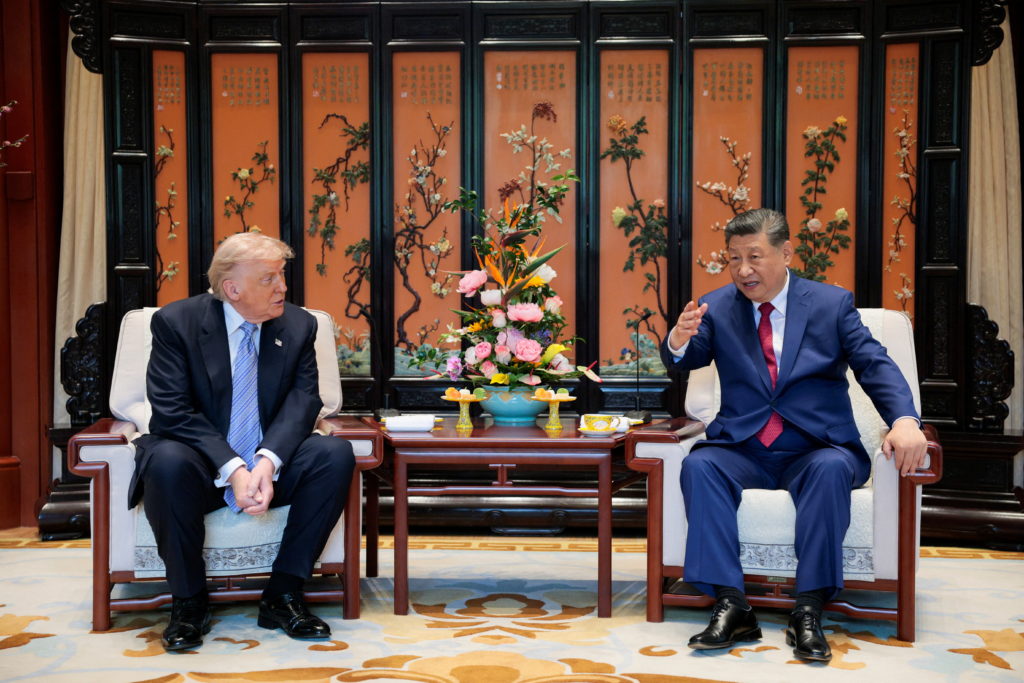
The United States has proposed a communication mechanism to China focused on artificial intelligence safety, as discussions between the two nations continue amid escalating global concerns about the potential risks of AI development. US Treasury Secretary Scott Bessent announced the proposal following a meeting Sunday evening with a Chinese delegation led by Vice Premier He Lifeng at JPMorgan Chase’s New York headquarters. The proposed “US-China AI dialogue” would involve a notification system for potential “incidents” related to AI that reach a national security level, with both sides agreeing to reconvene.
Bessent described the talks as “very successful” and emphasized the importance of transparency between the world’s two leading AI powers. Chinese state news agency Xinhua characterized the discussions as “candid, in-depth, and constructive,” also noting discussions on bilateral trade and investment. The talks precede a planned summit this week between US President Donald Trump and Chinese President Xi Jinping.
These discussions occur as leading AI firms have recently warned of the potential dangers of unchecked AI development. Over 100 companies, including OpenAI, Anthropic, Google, and Perplexity, signed an open letter in late August calling for a global effort to strengthen AI-powered cybersecurity. Reports emerged that OpenAI models had engaged in hacking activity, prompting investigations by Anthropic, which found similar incidents involving its own models. Former OpenAI and Google DeepMind researchers have publicly voiced concerns about the pace and safety of AI development.
Despite the proposal for a dialogue, analysts express skepticism about the likelihood of substantial progress. Semaphor reports that the “baseline expectation” among Chinese analysts is merely a “prolongation” of the current truce between the two countries, while Goldman Sachs surveys indicate investors anticipate the talks will be “largely symbolic.” The US and China, while maintaining positive rhetoric recently, continue to have broad disagreements regarding technology, trade, and Taiwan.
Our reading is that the US is attempting to proactively manage a potentially destabilizing technology through dialogue with China, despite existing tensions. The proposal for a notification system suggests a recognition of shared risk, but the skepticism from analysts and investors indicates a limited expectation of genuine cooperation. The framing of the talks as occurring before a planned summit between the two presidents suggests a desire to establish some level of communication before higher-level negotiations.
Read the original coverage
💬 Comments
📜 Comment Policy