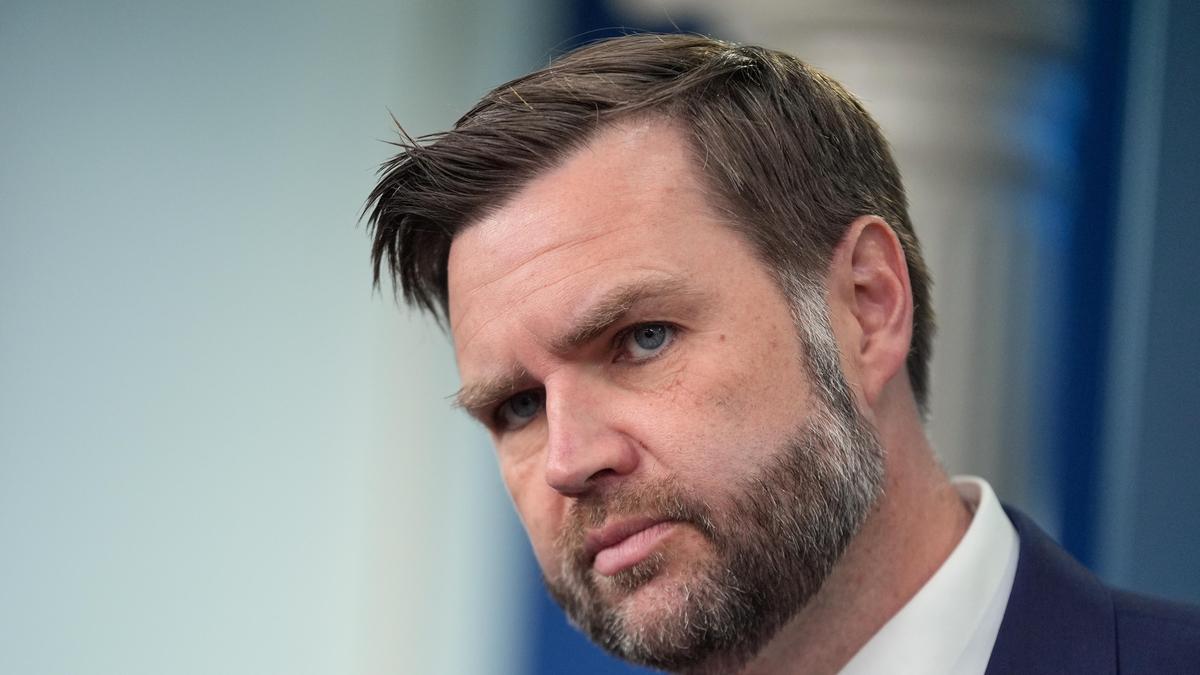
Technical consultations between the United States and Iran have been delayed, casting uncertainty on the prospects for a lasting truce in the region. The postponement of these diplomatic efforts follows an announcement from the White House regarding the cancellation of a planned trip by U.S. Vice President J.D. Vance.
The delay occurred after a White House spokesperson stated overnight that Vice President Vance had pulled out of the scheduled visit. This development has clouded the immediate future of peace talks between the two nations, which have been navigating a fragile roadmap to peace amid regional tensions. The cancellation of the high-level diplomatic engagement suggests significant logistical or political hurdles remain in the path of sustained dialogue.
Despite the postponement of the technical consultations and the Vice President's absence, earlier reports indicated that U.S. President Donald Trump and his Iranian counterpart had signed a provisional deal aimed at ending military actions between the two countries. This provisional agreement was reported to have been signed on Wednesday, marking a significant step in de-escalating direct hostilities. However, the subsequent cancellation of Vance’s trip introduces a new variable into the diplomatic equation, potentially affecting the implementation or verification of the terms outlined in that provisional deal.
The situation highlights the complex interplay between high-level executive decisions and the technical follow-through required in international diplomacy. While the signing of the provisional deal provided a framework for ending military actions, the ability to maintain momentum relies heavily on continued engagement from key government officials. The withdrawal of Vice President Vance from the planned trip represents a notable shift in the immediate diplomatic schedule.
Observers note that the postponement of talks leaves the status of the truce in question. Without the scheduled meetings, it remains unclear how quickly the parties can resume negotiations or address any outstanding issues related to the provisional deal. The delay underscores the volatility of the current geopolitical landscape and the challenges inherent in maintaining peace agreements between adversarial states.
As of now, the technical consultations are on hold. The focus shifts to whether further diplomatic initiatives will be announced by either the White House or Iranian officials to restart the dialogue. The outcome of these potential future talks will determine whether the provisional deal signed by Presidents Trump and his Iranian counterpart holds lasting effect or if military tensions will resume.
No right-leaning sources reported on this story.
Read the original coverage
💬 Comments
📜 Comment Policy