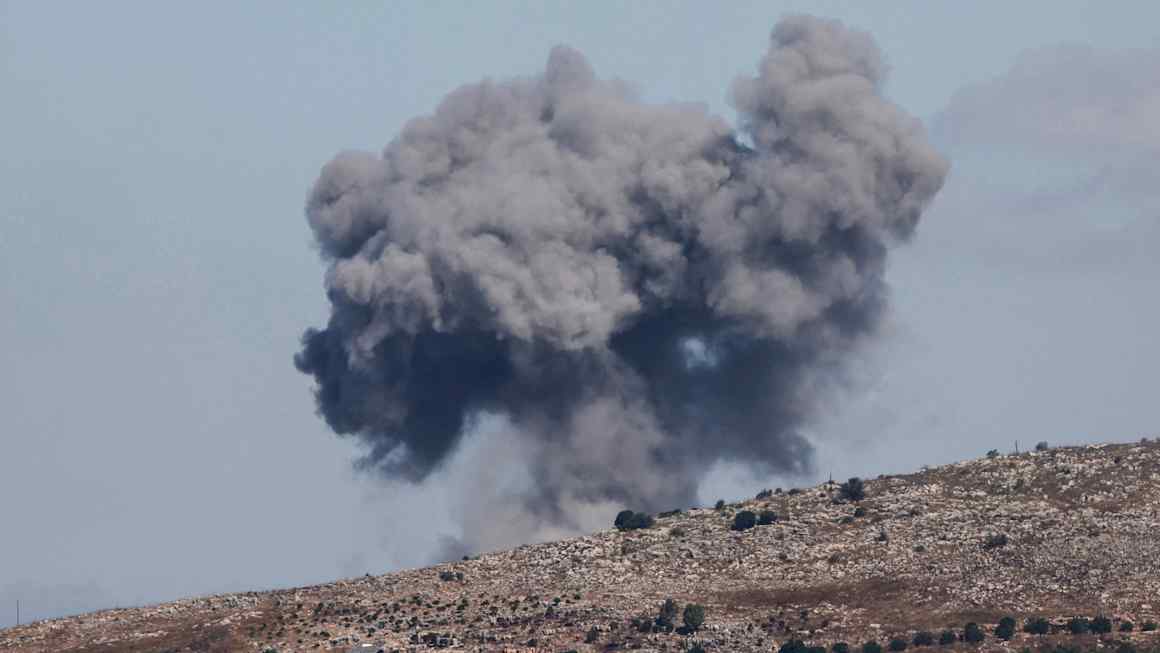
Technical consultations between the United States and Iran regarding nuclear negotiations have been postponed, coinciding with a resurgence of fighting between Israel and Hezbollah in Lebanon. The delay was confirmed by Swiss officials, who announced on Friday morning that the talks scheduled to take place in Switzerland were "postponed," without providing an immediate explanation for the decision.
Diplomats indicate that Tehran has pushed back against the nuclear negotiations due to ongoing Israeli military operations in southern Lebanon. According to reports from diplomats cited by the Financial Times, Iran's decision to hold back from talks aimed at cementing a ceasefire is directly linked to the continued attacks on its ally, Hezbollah. This development presents an early test for potential diplomatic agreements between Washington and Tehran, as regional tensions escalate simultaneously with efforts to stabilize the Middle East.
The resumption of hostilities in Lebanon marks a significant shift in the regional security landscape. Fighting between Israeli forces and Hezbollah has flared up again, undermining previous attempts to establish a fragile roadmap to peace. The timing of the talk postponement suggests a causal link between the military actions on the ground and the diplomatic stalemate in Switzerland. Iranian officials appear to be using the delay as leverage or a response to the intensifying conflict, signaling that progress in nuclear negotiations is contingent upon broader regional stability.
Switzerland, acting as the host nation for the indirect talks, officially announced the postponement early Friday morning. The Swiss foreign ministry did not specify the reasons behind the cancellation, leaving the diplomatic community to interpret the move based on concurrent geopolitical events. The lack of an official statement from Switzerland regarding the cause of the delay contrasts with the assertions made by diplomats who attribute the postponement to Israeli strikes.
The situation highlights the interconnected nature of regional conflicts and international diplomacy. As U.S.-Iran relations remain strained, any progress in nuclear non-proliferation efforts is heavily influenced by proxy conflicts in the Middle East. The current pause in negotiations reflects the difficulty of maintaining diplomatic momentum while active combat operations continue in neighboring territories.
Current status indicates that no new date has been set for the resumption of talks. The focus remains on monitoring the security situation in Lebanon and assessing whether the military escalation will further complicate future diplomatic engagements between the United States and Iran. Observers note that the delay serves as a critical indicator of how regional power dynamics influence high-level international negotiations.
Read the original coverage
💬 Comments
📜 Comment Policy