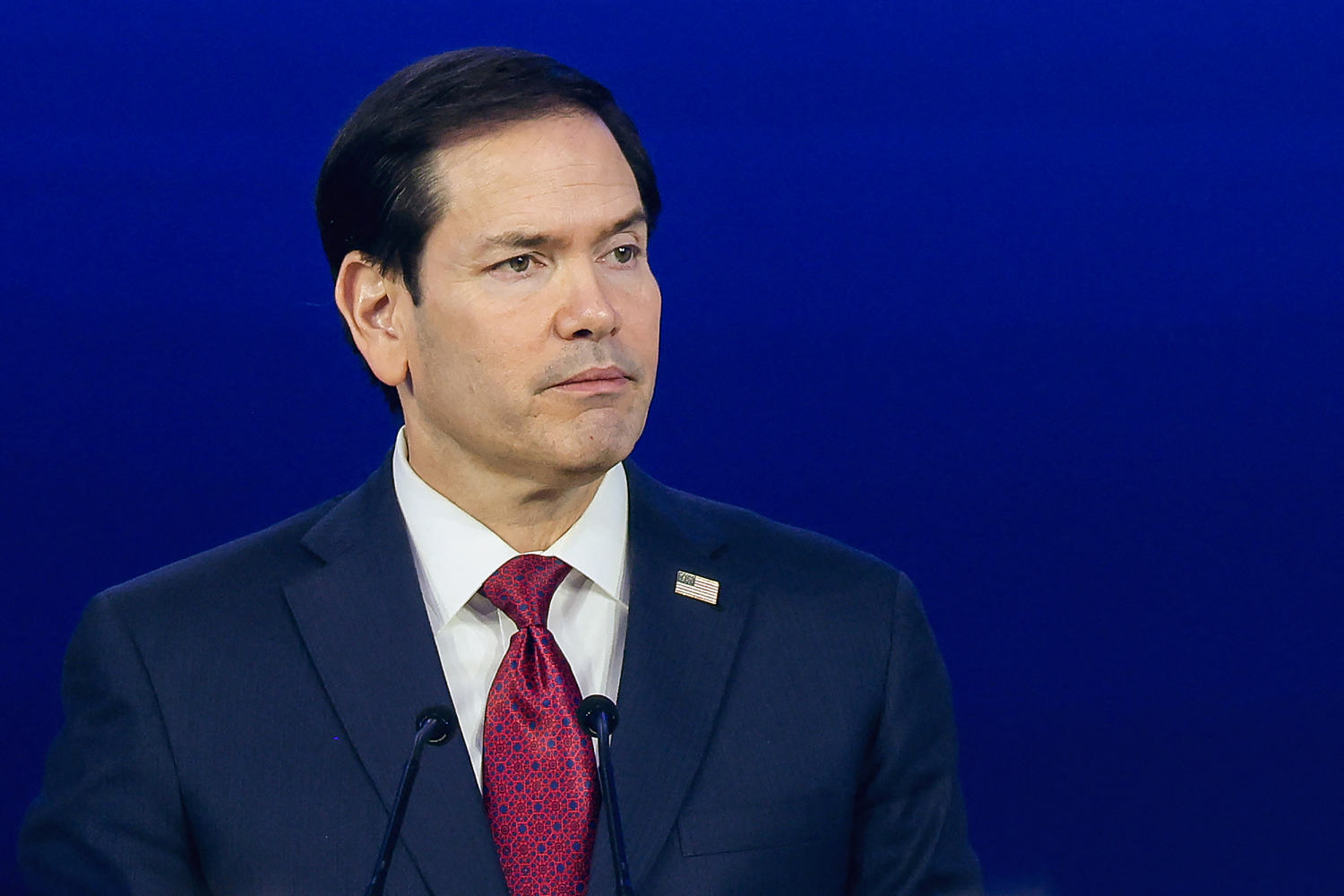
U.S. intelligence has determined that Iranian efforts to target American personnel have reached “advanced stages,” according to a memo sent by Director of National Intelligence Jay Clayton to Secretary of State Marco Rubio on October 23. The warning comes as the State Department reduces staffing at multiple diplomatic posts in the Middle East, including Saudi Arabia, Jordan, Lebanon, Qatar, and the United Arab Emirates, citing both threats from Iran and from Yemen’s Houthi militants. President Donald Trump indicated a willingness to pursue further military action against Iran, referencing potential strikes on nuclear facilities or strategic islands.
The intelligence memo, also copied to CIA Director John Ratcliffe, details a “substantial increase” in Iranian efforts to target U.S. personnel both in the Middle East and elsewhere. Clayton noted the information is relevant to more individuals than currently cleared to receive it, and the intelligence community will attempt to downgrade the information for wider dissemination. The State Department initiated reductions in staff at embassies on “Restricted Operations” status, and ordered non-emergency personnel and families to depart Saudi Arabia.
The drawdown of U.S. forces and diplomatic personnel mirrors similar actions taken around the start of the conflict with Iran earlier this year. U.S. officials state that staffing adjustments are informed by the dual threats of Houthi attacks and Iranian plots. Trump, at a rally in Florida, alluded to a potential “Epic Fury” operation against Iran, but suggested Iran could avert further action by engaging in negotiations. Senior U.S. military officials have reportedly presented Trump with options for new strikes, including targeting Iran’s nuclear facilities and strategic islands.
Our reading is that the U.S. intelligence warning signals a significant escalation in perceived threat from Iran, prompting both defensive measures, staff drawdowns, and offensive posturing from the Trump administration. The differing emphases in reporting suggest a deliberate shaping of the narrative, with some outlets focusing on the administration’s response and others on the underlying threat. The fact that intelligence is being downgraded for wider dissemination indicates a desire to build support for potential action, or at least to prepare the public for it.
Read the original coverage
💬 Comments
📜 Comment Policy