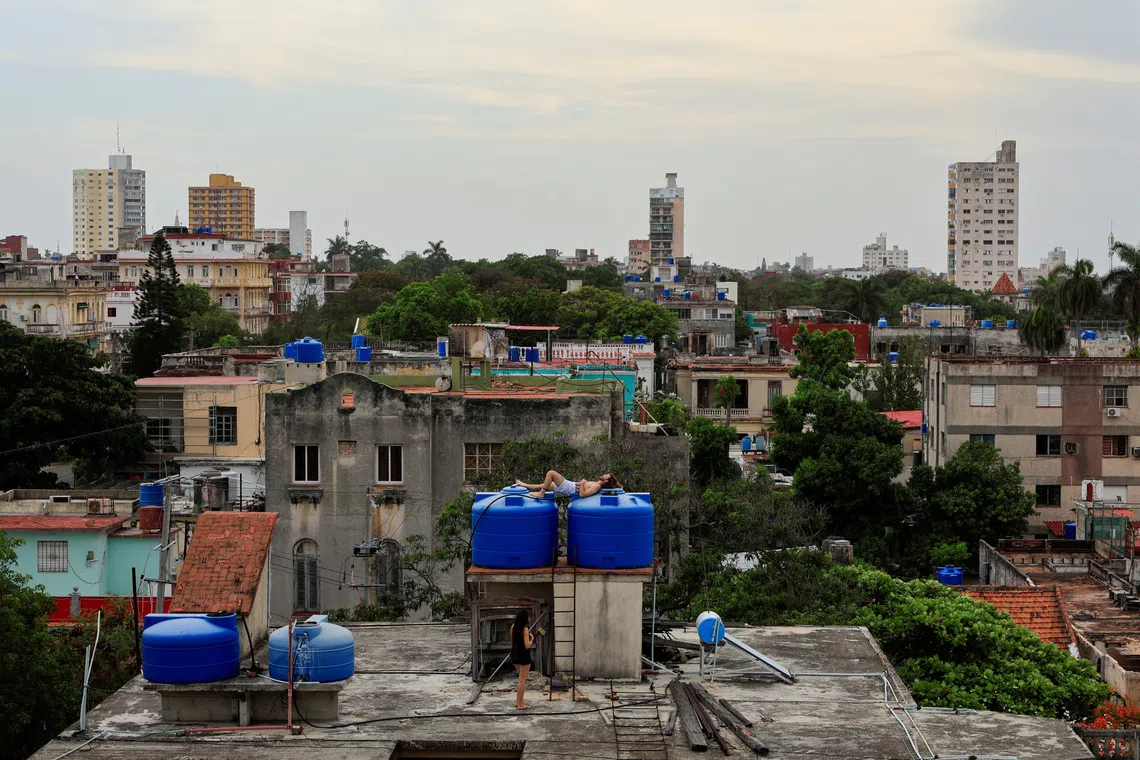
The US Embassy in Havana issued a health alert Friday warning of a significant increase in diarrheal illnesses across Cuba, linked to the deterioration of the island’s water and energy infrastructure. The alert advises travelers and residents to exercise caution with food and water, and to bring their own basic medications, as pharmacies and hospitals report shortages of essential supplies like antibiotics, paracetamol, and ibuprofen. The US government attributes the worsening conditions to a fuel blockade and sanctions imposed during the Trump administration, which have led to widespread power cuts and impacted water supply, food storage, and refrigeration. UN-appointed human rights experts have condemned the fuel blockade as a violation of international law, warning of a growing humanitarian crisis threatening health, food, and development rights. Residents have been experiencing rampant illnesses for months, compounded by the lack of air conditioning and refrigeration during the Caribbean summer.
The alert specifically cautions against consuming perishable foods that may have been inadequately stored and advises against drinking tap water. The US maintains that sanctions are necessary to compel political change in Cuba, a policy dating back to the 1959 revolution. While the US government defends its actions, UN experts argue the consequences are unfolding into a full-blown humanitarian crisis. The alert does not report a single outbreak in one location, but rather a pattern of illness across the island. The US Embassy’s warning follows nine months after the Trump administration implemented the fuel blockade, exacerbating power outages and complicating sanitary measures. The situation leaves Cuban residents, unlike visitors, without the ability to easily bring in necessary supplies. The current status is a continuing health risk for both travelers and residents of Cuba, with no immediate resolution to the infrastructure and supply issues in sight.
Read the original coverage
💬 Comments
📜 Comment Policy