The United States conducted military strikes against targets within Iran, an operation Washington characterized as a necessary response to the downing of an American Apache helicopter. According to NBC News, the U.S. launched what it called “self-defense strikes” after an Iranian drone shot down the aircraft over the Strait of Hormuz. In the wake of the incident, President Trump stated that Iran would “pay the price.” The administration framed the military action as a direct defensive measure following the loss of the helicopter, which NBC News identified as an American asset targeted by Iranian forces in the strategically significant waterway.
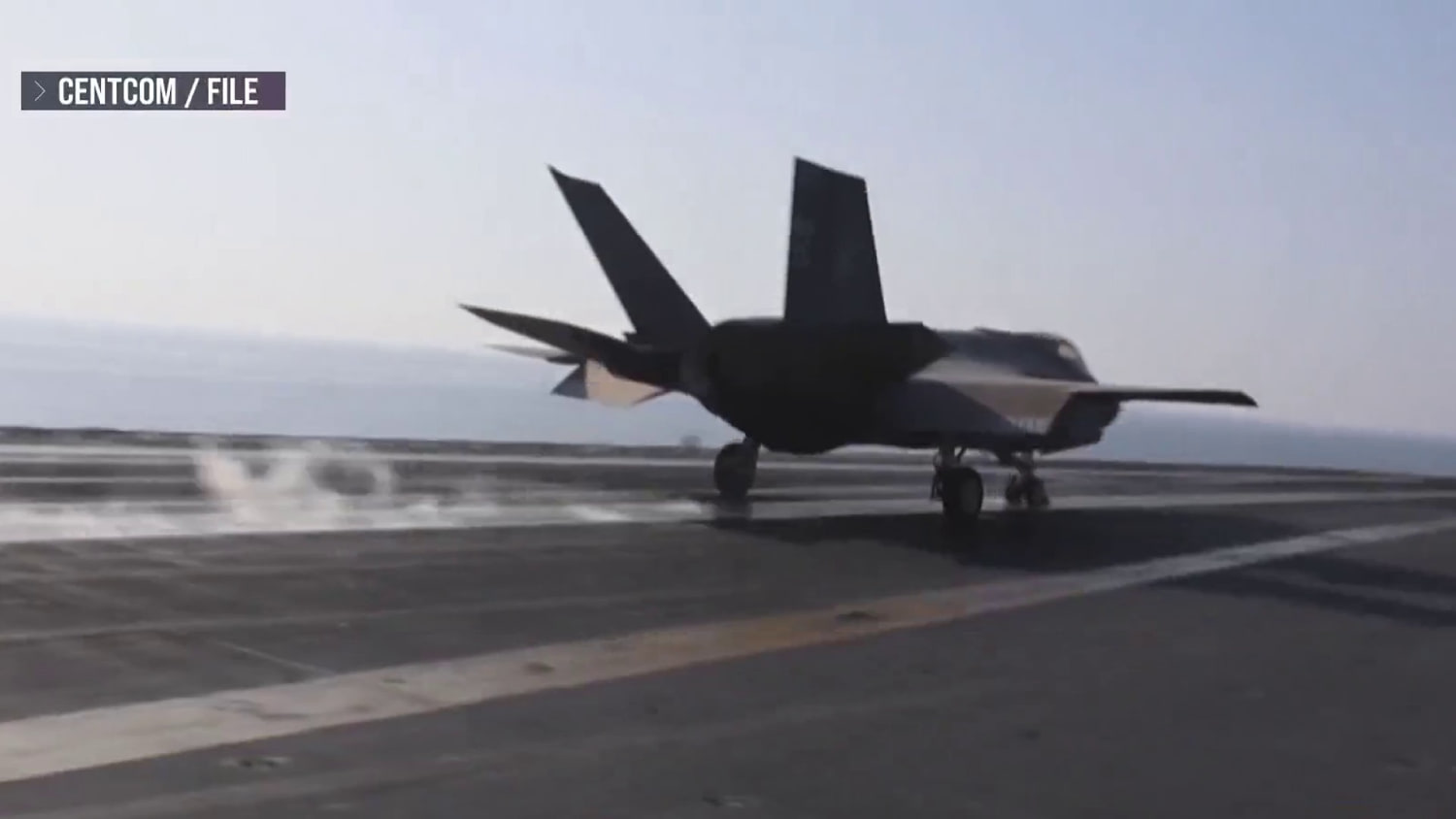
Military specifics regarding the operation were detailed by U.S. Central Command. As reported by The Wall Street Journal, jet fighters utilized precision munitions to strike Iranian radar sites and ground control stations. The command confirmed that the attack lasted several hours, marking a sustained military engagement. The use of targeted weaponry against Iranian infrastructure highlights the operational scope of the response, which was designed to neutralize specific military capabilities identified by U.S. forces.
Following the U.S. action, Iranian authorities announced retaliatory measures. El Pais reported that Tehran stated it had launched its own attacks targeting sites located in Bahrain, Kuwait, and Jordan. This reciprocal military activity introduces additional complexity to regional security dynamics. According to El Pais, these developments further complicate the prospects of a lasting ceasefire in the area, as both nations have now engaged in direct cross-border military operations.
The sequence of events has contributed to increased volatility across the Middle East. Mercopress noted that the strikes occur amid a week of heightened regional tension. The rapid exchange of military actions between the United States and Iran, along with the subsequent Iranian retaliation against neighboring countries, underscores the fragile state of diplomatic and security relations in the region. The escalation demonstrates how quickly localized incidents can expand into broader geopolitical confrontations.
Current assessments indicate that the immediate aftermath of the strikes involves ongoing military posturing and diplomatic recalibration. U.S. Central Command confirmed the completion of the hours-long operation targeting Iranian infrastructure. Meanwhile, Tehran’s announcement of counterstrikes across multiple sovereign territories suggests a broadening of the conflict's geographic scope. The situation remains fluid as international observers monitor the potential for further escalation or diplomatic intervention.
Read the original coverage
💬 Comments
📜 Comment Policy