U.S. Conducts Defensive Strikes on Iranian Targets in Strait of Hormuz
AI-synthesized · Bias removed · Facts only
3 sources: 1 left · 1 center · 1 right
Facts are sacred. Opinion is labelled.
Image: Pbs Newshour
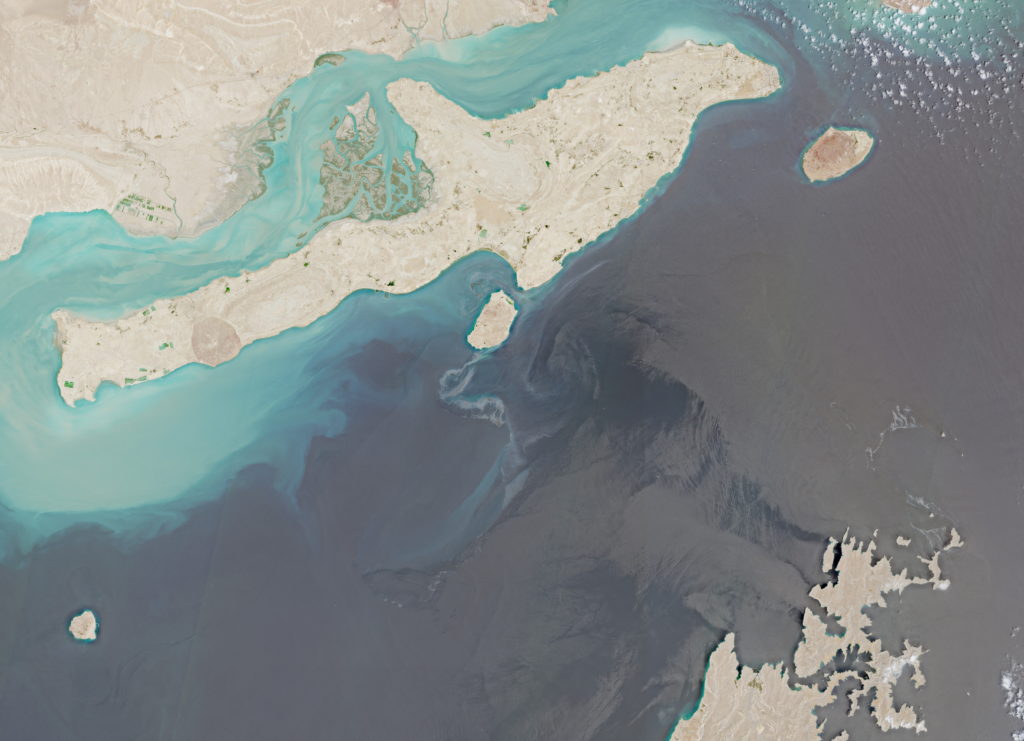
The U.S. military conducted limited defensive strikes against Iranian targets in the Strait of Hormuz on November 2, 2026, following reports of surface-to-air missile threats against U.S. assets, according to multiple U.S. officials. The strikes targeted Qeshm Island, with Iranian state television reporting explosions there. The action occurred on the eve of crucial U.S. midterm elections, a timing previously stated by President Trump as unlikely for strikes against Iran. While described as “limited defensive” strikes, the move comes amid ongoing indirect peace talks between the U.S. and Iran, brokered by Qatar, and as Israel lobbies for further action.
A senior U.S. official stated the strikes were in response to Iran’s Islamic Revolutionary Guard Corps firing at an American aircraft. Vice President J.D. Vance indicated progress in the U.S.-Iran talks, expressing optimism about a potential negotiated settlement. He revealed he recently sent a letter to Iran’s security chief, Mohsen Rezaei, offering assistance with “medical supplies and various things,” while suggesting a deal remains possible. However, Benjamin Netanyahu, Israel’s Prime Minister, is reportedly pushing for additional strikes after the U.S. midterm elections, potentially to facilitate the formation of a new government following recent parliamentary losses.
The strikes follow an eight-month period of instability and disruption to global markets. While the U.S. aims for a negotiated settlement, the situation remains volatile, with the potential for escalation depending on the outcome of the midterm elections and the positions of key regional actors.
Where they differ
- CBS News, The Washington Times, and PBS NewsHour emphasized the timing of the strikes on the eve of the midterm elections.
- Al Jazeera highlighted the ongoing indirect peace talks and the role of Qatari mediators, while also noting the regional context of the eight-month-old war.
- The Hindu provided details about Vice President Vance’s communication with Iran’s security chief and the potential for a negotiated settlement, as well as Netanyahu’s push for further strikes.
- The Independent focused on the reporting of a U.S. official confirming the strikes.
What is not yet known
- The full contents of Vice President Vance’s letter to Mohsen Rezaei remain undisclosed.
- The extent to which the strikes will impact the ongoing U.S.-Iran negotiations is currently unclear.
Background
- The U.S. and Iran have been engaged in an eight-month period of instability and conflict, impacting global markets [Fact Refinery, 2026-10-26].
- Qatar is acting as a mediator between the U.S. and Iran, attempting to broker a peace deal involving sanctions relief and commitments regarding Iran’s nuclear program [Fact Refinery, 2026-10-29].
- Iran has proposed conditions for reopening the Strait of Hormuz, including lifting sanctions and ending hostilities, while the U.S. seeks upfront commitments regarding Iran’s nuclear stockpile [Fact Refinery, 2026-11-02].
- Israel, under Prime Minister Netanyahu, has been advocating for further military action against Iran, even as peace talks progress [Fact Refinery, 2026-10-28].
- Vice President Vance has been actively involved in diplomatic efforts, sending letters to Iranian officials offering assistance and exploring potential agreements [Fact Refinery, 2026-10-29].
Our reading
Our reading is that the U.S. strikes, while described as limited and defensive, represent a calculated risk taken on the eve of a significant domestic political event. The timing, highlighted by multiple outlets, suggests a desire to demonstrate strength before the midterm elections, despite President Trump’s previous statements. Simultaneously, the continued diplomatic efforts, as evidenced by Vice President Vance’s communication, indicate a parallel attempt to de-escalate the situation, complicated by conflicting regional interests and the potential for further escalation pushed by actors like Netanyahu.
What to watch
- The results of the U.S. midterm elections and any subsequent shift in the administration’s policy towards Iran [multiple sources, election results reporting].
- The full contents of Vice President Vance’s letter to Mohsen Rezaei, if released, to gauge the extent of the U.S. offer and potential concessions [official government releases].
- Any statements or actions from Israel’s Prime Minister Netanyahu following the midterm elections, particularly regarding further military strikes [Israeli government press releases/statements].
💬 Comments
📜 Comment Policy