U.S. Approves Visas for Iranian Officials to Attend UN General Assembly
AI-synthesized · Bias removed · Facts only
2 sources: 1 left · 0 center · 1 right
Facts are sacred. Opinion is labelled.
Image: Washington Times Politics
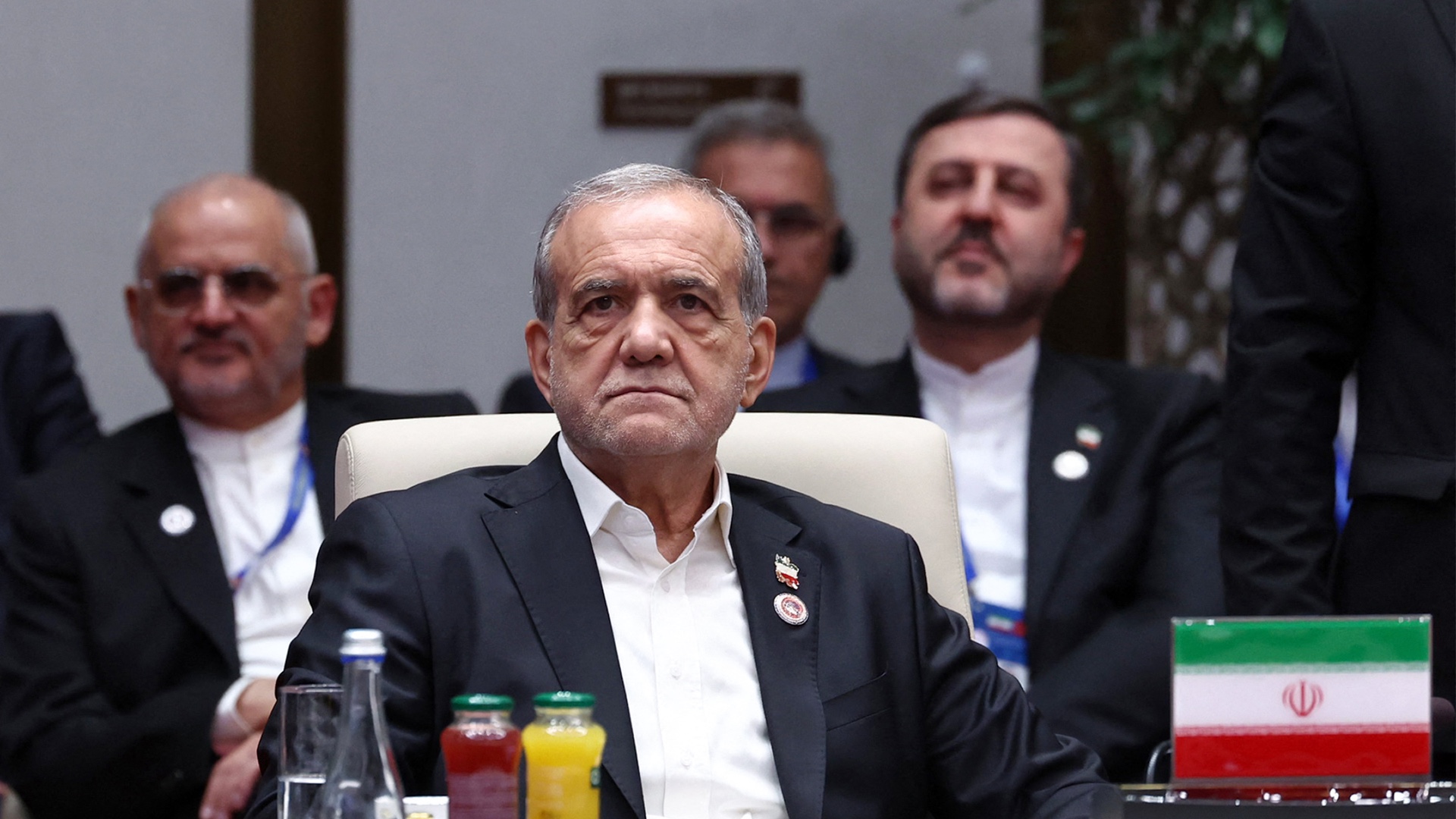
The Trump administration has approved visas for top Iranian officials, including President Masoud Pezeshkian and Foreign Minister Abbas Aragchi, to attend next week’s UN General Assembly in New York City, despite ongoing tensions between the two countries. The approvals come as the U.S. continues to impose sanctions on Iran, including a recent designation of BitBank, alleging it facilitates financial access for Iran’s Central Bank. The State Department stated the visas were issued for a limited number of officials, with their movements in Manhattan restricted and the delegation smaller than last year.
State Department spokesperson Tommy Pigott, in a post on X, criticized the Iranian regime for seeking “shopping sprees” in New York while Iranians face economic hardship. He added that the U.S. would prevent Iranian officials from exploiting the General Assembly for luxury purchases and would continue to ban UN Mission officials and their dependents from wholesale club memberships or luxury goods. The U.S. has been engaged in a “war” with Iran for seven months, with dozens of Iranian civilians killed in American attacks last month, prompting retaliatory actions from Iran targeting U.S. military and energy assets. The U.S. has responded with “Operation Economic Outcast,” rolling out new sanctions several times a week.
The U.S. has historically exercised limited visa restrictions for UN General Assembly attendees due to diplomatic agreements, a practice altered when the Trump administration took office in January 2017. Aragchi has been a key negotiator with the Americans, alongside Iran's parliamentary speaker, Mohammad Bagher Ghalibaf. The administration maintains that current skirmishes do not constitute a “war,” despite the ongoing conflict and civilian casualties.
Where they differ
- Middle East Eye emphasized the State Department’s criticism of Iranian officials seeking luxury goods, quoting Pigott’s statement about preventing a “shopping spree,” while the Washington Times focused on the approval of visas despite the ongoing conflict.
- Middle East Eye detailed the U.S. sanctions regime, including the designation of BitBank and the “Operation Economic Outcast” initiative, which the Washington Times did not elaborate on.
- Middle East Eye provided context on Aragchi’s role as a key negotiator, while the Washington Times did not mention his specific negotiating function.
What is not yet known
- The extent to which the restrictions on the Iranian delegation’s movements will affect their ability to conduct diplomacy.
- Whether the visa approvals signal a potential shift in U.S. policy toward Iran.
Background
- The Trump administration altered historical U.S. practice regarding visa restrictions for attendees of the UN General Assembly, departing from a previously established norm [Fact Refinery, 2026-09-18].
- The U.S. and Iran have been engaged in ongoing conflict for seven months, including reciprocal strikes and civilian casualties, with the U.S. implementing a sanctions regime called “Operation Economic Outcast” [Fact Refinery, 2026-08-06].
- Masoud Pezeshkian is the current President of Iran and Abbas Aragchi is a key negotiator with the U.S.; Mohsen Rezaei was recently appointed to lead Iran’s National Security Council, signaling a consolidation of hard-right power [Fact Refinery, 2026-08-10].
- The UN recently found reasonable grounds to believe the U.S. committed war crimes in Iran, a claim the White House disputes [Fact Refinery, 2026-09-18].
Our reading
Our reading is that the administration is attempting to project an image of strength and control amid ongoing conflict with Iran, simultaneously allowing access for diplomatic engagement. The restrictions placed on the Iranian delegation and the public criticism of their potential spending suggest a desire to limit any perceived benefits Iran might gain from attending the General Assembly, while the issuance of visas indicates a continued, if tense, willingness to negotiate. The pointed commentary on luxury purchases appears designed to appeal to domestic audiences and reinforce the narrative of Iranian mismanagement.
What to watch
- The extent of actual restrictions placed on the Iranian delegation’s movements in Manhattan and whether those restrictions impede diplomatic meetings [reporting from the UN, X (formerly Twitter)].
- Any indication of a shift in U.S. policy toward Iran following the General Assembly, such as a change in sanctions or a willingness to engage in direct negotiations [State Department press briefings, official statements].
- Whether the UN fact-finding mission’s report on alleged U.S. war crimes gains further traction or leads to any formal international action [UN Security Council meetings, statements from other nations].
💬 Comments
📜 Comment Policy