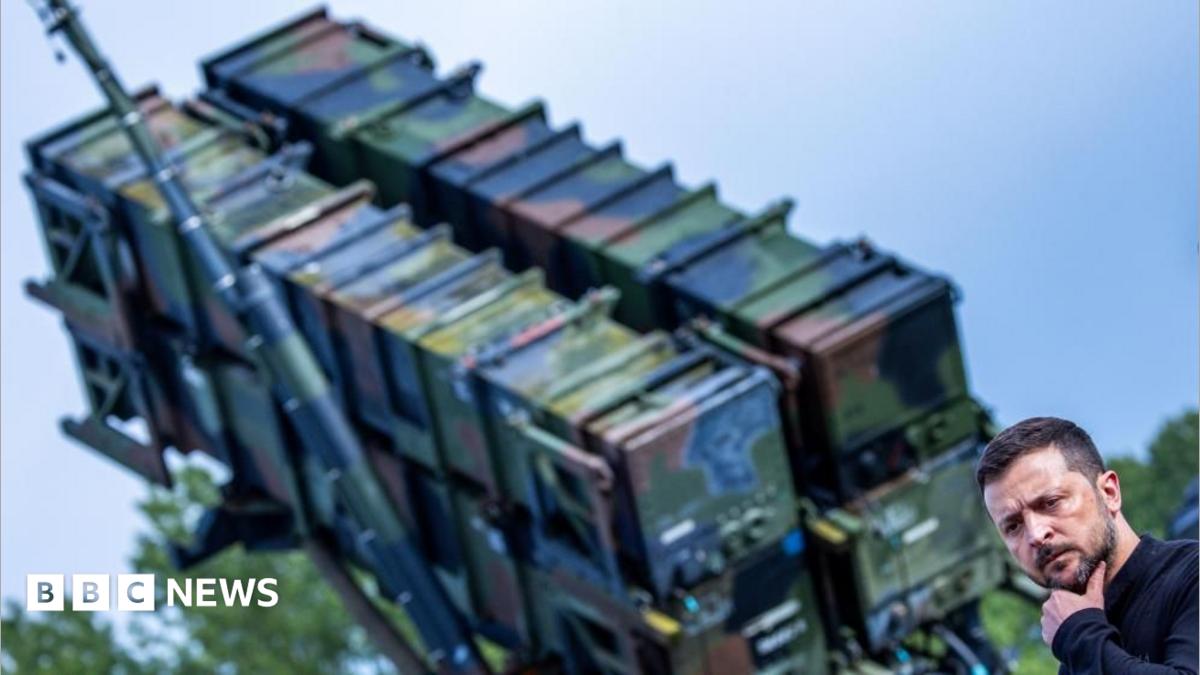
The US State Department has approved the sale of 500 Patriot PAC-3 missiles to Ukraine for $2.1 billion, a critically needed munition as Russia intensifies aerial attacks. The purchase will be fully funded by contributions from Canada, Germany, and Norway, channeled through the JUMPSTART program and EU-backed loans, with Lockheed Martin as the principal contractor and no US funds directly involved. The deal comes after Ukrainian President Volodymyr Zelensky expressed frustration over delays in receiving the missiles, stating Kyiv had waited nearly a month for US approval. Zelensky has repeatedly urged the US to expedite deliveries of Patriots, which he identifies as the only effective defense against Russian ballistic missiles, particularly as Russia targets Ukraine’s energy infrastructure ahead of winter.
The move follows a recent exchange between Zelensky and former US President Donald Trump, where Trump questioned Ukraine’s willingness to negotiate an end to the war. The State Department framed the sale as supporting US foreign policy objectives by bolstering the security of a key European partner. While the US Army awarded Lockheed Martin a contract potentially worth $58.6 billion to produce Patriot interceptors, production remains limited to approximately 600 missiles per year, raising concerns about delivery timelines. The order is for new builds, not existing stock, and Pentagon negotiators are pushing contractors to accelerate output, given concerns about air defense stockpiles and the global shortage of the munitions, partly due to US use in operations against Iran.
Zelensky reported on Friday that Russian ballistic missiles struck two regions of Ukraine, continuing what he described as “terrorist strikes” against Ukrainian cities. The US previously considered licensing Ukraine to produce Patriots domestically, but ultimately did not agree to it in July. The agreement to sell 500 missiles is a significant step, but the limited production capacity of Patriots presents a challenge to rapidly replenishing Ukraine’s defenses.
Our reading is that this sale represents a complex balancing act. The US is providing critical military aid to Ukraine without directly expending its own funds, relying instead on allied contributions. Simultaneously, the article highlights the constraints of current production capacity and the ongoing diplomatic efforts, including those involving former President Trump, suggesting a multifaceted approach to the conflict, prioritizing both military support and potential negotiation. The differing emphasis in reporting from *The Straits Times* and *The BBC* suggests a degree of editorial framing around the political context of the sale.
Read the original coverage
💬 Comments
📜 Comment Policy