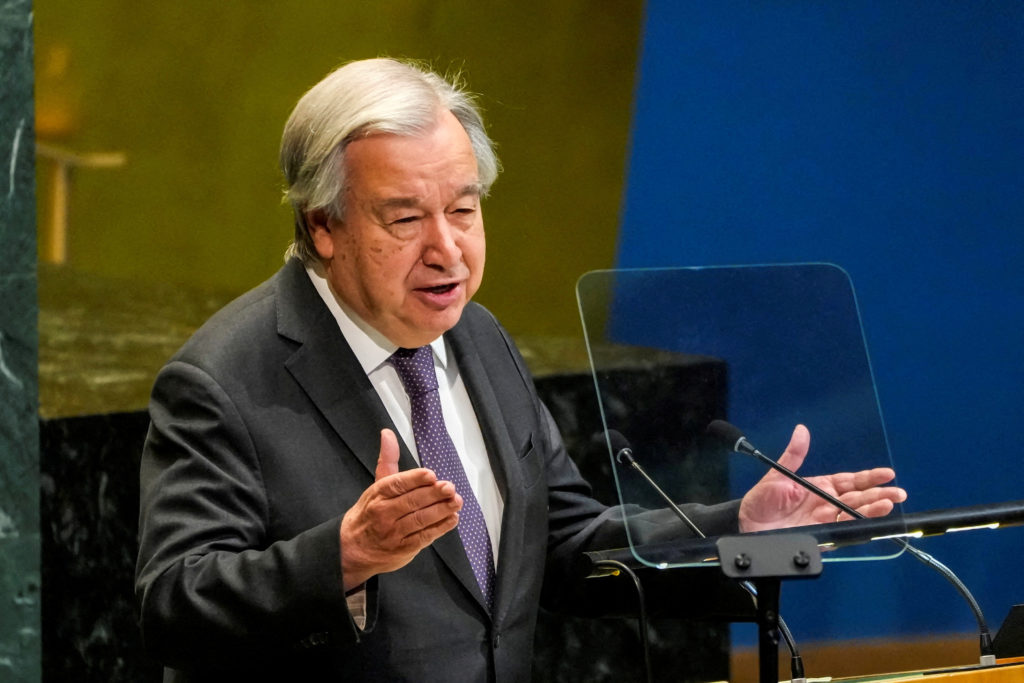
World leaders convened at the United Nations this week facing overlapping crises of armed conflict, the accelerating development of artificial intelligence, and escalating climate shocks. The annual UN General Assembly meeting occurs against a backdrop of “bitter divisions” globally, according to opening statements. Multiple ongoing wars, in Ukraine, Sudan, Congo, Myanmar, Gaza, and Iran, are central to the discussions, with leaders questioning whether solutions can be found. The South China Morning Post reports the UN Secretary-General stated, “As we face ‘three existential threats,’…international cooperation is more necessary than ever.”
Beyond immediate conflicts, leaders are also addressing the intensifying impacts of climate change, rising global inequalities, and economic pressures stemming from disrupted supply chains and increased costs of living. A key item on the agenda is reform of the UN itself, specifically the UN Security Council, which currently grants disproportionate power to the US, Russia, China, Britain, and France through its veto power. The 193 member nations have agreed to a reform package intended to update these institutions and reflect 21st-century global power dynamics.
While the need for international cooperation is widely acknowledged, the presence of multiple, active conflicts complicates efforts. The UN Secretary-General highlighted climate change, war, and runaway AI as the “three existential threats” facing the planet. The South China Morning Post notes that the future of the UN is also under consideration, given that its current power structure reflects the victorious nations of World War II, rather than today’s major global players.
Our reading is that the UN faces a daunting task, attempting to address existential threats while simultaneously navigating a world fractured by numerous active conflicts. The acknowledgement of “bitter divisions” suggests a lack of consensus and a challenging environment for meaningful cooperation. The Secretary-General’s emphasis on the need for international collaboration appears to be a plea for unity in the face of overwhelming global problems, even as the UN itself is recognized as needing reform to reflect current power dynamics.
Read the original coverage
💬 Comments
📜 Comment Policy