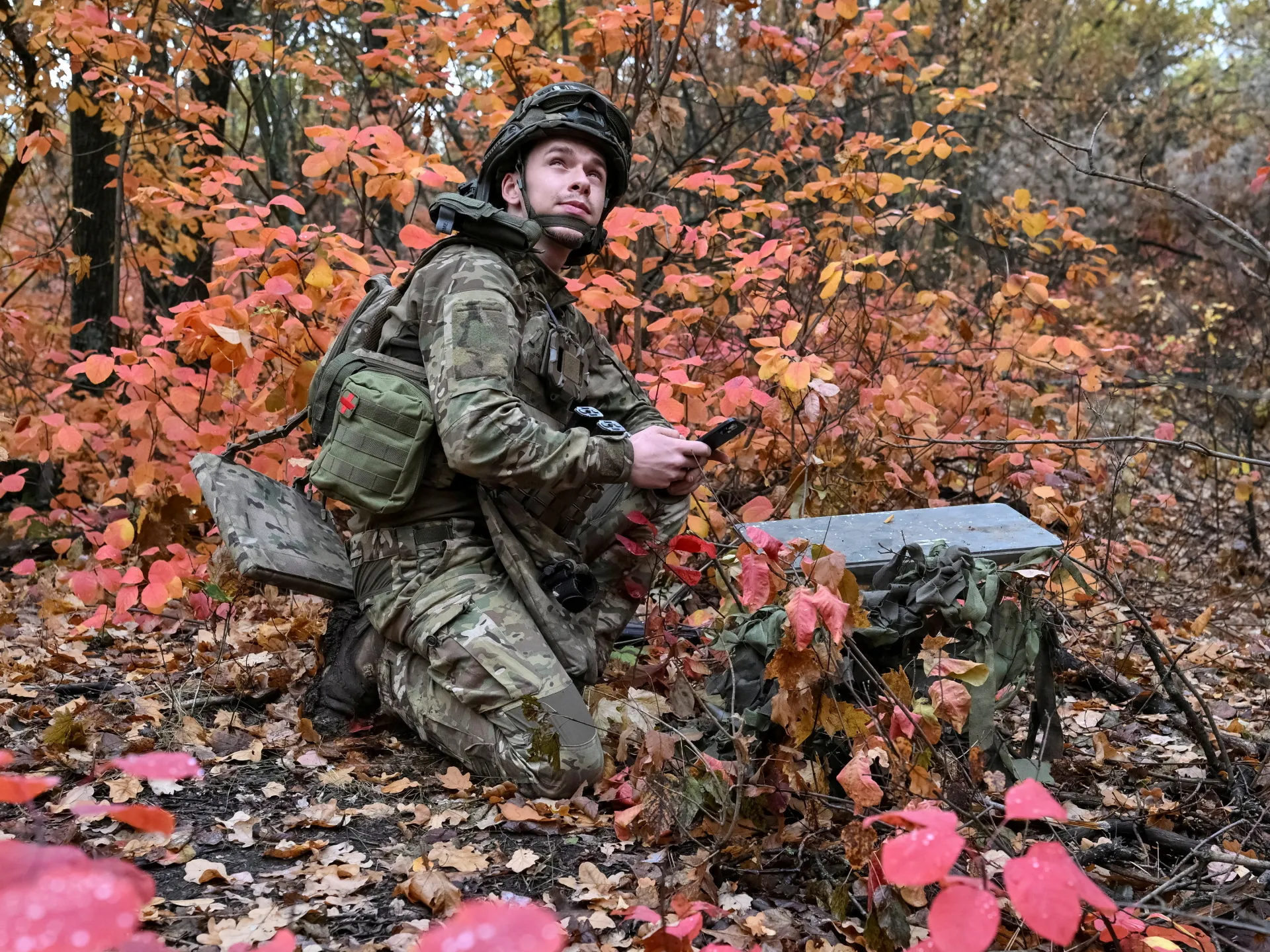
Ukraine’s drone warfare capabilities were hampered last week by speed restrictions imposed on SpaceX’s Starshield network, a military-grade version of its Starlink satellite service. Ukrainian officials reported that drones experienced mid-flight failures due to the limitations, impacting their ability to intercept Russian attacks. While Ukrainian President Volodymyr Zelenskyy believes the throttling was directed by US officials at Elon Musk’s behest, both Musk and former President Trump deny direct involvement. The US government maintains the decision-making authority lies with SpaceX.
Ukraine’s military began experiencing difficulties with Starshield equipment on October 13, with soldiers noting imposed “speed limits” affecting drones targeting Russian positions. The Ministry of Defense sources stated SpaceX unilaterally imposed the restrictions without prior notification, limiting drone speeds to 160 kilometers per hour and disrupting missions. Zelenskyy said the restrictions hindered Ukraine’s ability to intercept Russian Shahed drones. Services were confirmed to have resumed on October 15, though as of Wednesday afternoon, Starlink remained throttled, according to Zelenskyy’s office.
Starshield operates on the same satellite constellation as the commercial Starlink service, providing crucial connectivity for Ukraine’s drone operations. US Secretary of State Marco Rubio stated decisions regarding access to Starlink are governed by a private commercial contract between SpaceX and its users, not the White House. Pentagon chief Pete Hegseth echoed this, stating SpaceX has the option to make decisions based on its terms of service. Musk has asserted on X that any limits are decided by the US military and the President. However, The Wall Street Journal reported Musk ordered the slowdown, with discussions involving both former President Trump and White House officials. Reuters cited US and Western officials confirming the decision originated with the White House, a claim denied by the Trump administration.
The differing accounts of responsibility for the throttling, coupled with the impact on Ukraine’s defensive capabilities, leave unresolved the extent of US influence over SpaceX’s satellite network and the future of Ukraine’s access to this critical technology.
Our reading is that a complex situation is unfolding where responsibility for limiting Ukraine’s drone capabilities is actively disputed. The conflicting accounts from US officials, SpaceX, and Zelenskyy suggest a lack of transparency and a potential power struggle over control of critical technology. The differing emphasis in media coverage, some focusing on commercial contracts, others on direct attribution to Musk, highlights the difficulty in establishing a clear narrative.
Read the original coverage
💬 Comments
📜 Comment Policy