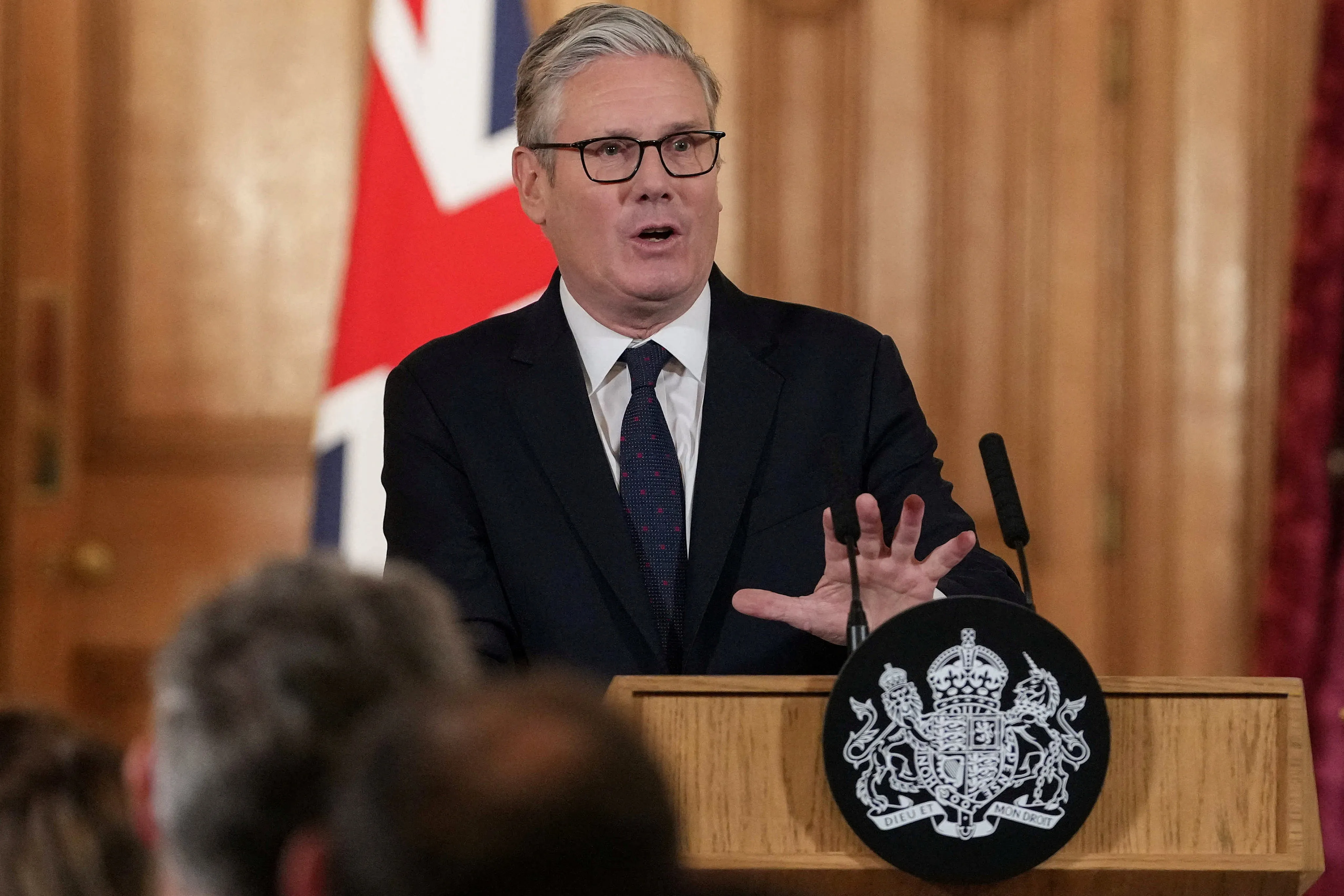
British Prime Minister Keir Starmer has announced that the United Kingdom will implement a ban on social media usage for children under the age of 16. The move is part of a broader legislative effort to tighten online safety standards for minors and protect young people from harmful content and excessive screen time. According to reports, the UK is following Australia in implementing this total social media ban for the specified age group.
The ban applies to a range of major social media platforms, including Snapchat, TikTok, YouTube, Instagram, Facebook, and X. Prime Minister Starmer stated that he is not "prepared to compromise on the safety and happiness of our children." He warned that social media platforms are exposing children to content that is "dangerous" and "designed to be addictive." The government describes the legislation as landmark action intended to deliver "world leading" protections for young users.
In addition to the under-16 ban, the UK is introducing sweeping restrictions for all teenagers. These measures go further than those currently in place in Australia. Specifically, the new rules prevent individuals under the age of 17 from accessing live-streaming features and chatting with strangers online. Furthermore, individuals under the age of 18 will be restricted from using romantic companion chatbots. The government is also introducing a minimum age requirement for some chatbot services.
The initiative positions the UK as part of a growing global movement to regulate digital spaces for minors. By targeting specific functionalities such as live-streaming and stranger interaction, alongside general platform access, the policy aims to shield young people from the "dangerous corners of the web." The legislation represents a significant shift in how digital platforms must verify age and manage user safety protocols within the British jurisdiction.
The announcement marks a decisive step by the Starmer administration in addressing concerns regarding youth mental health and online exploitation. While the specific timeline for enforcement was noted as potentially beginning in the early stages of the legislative process, the core mandate remains the prohibition of social media access for those under 16. The policy reflects a consensus among UK officials that current self-regulatory measures by tech companies are insufficient to protect minors from the psychological and physical risks associated with unregulated digital interaction.
Critics and supporters alike acknowledge the magnitude of the restriction. The ban covers not just text-based social networking but also video-sharing and messaging applications that have become central to adolescent socialization. By setting a hard age limit rather than relying on parental controls or algorithmic adjustments, the UK government is establishing a strict legal boundary for digital participation for this demographic.
As other nations consider similar measures, the UK's approach serves as a case study in legislative intervention regarding technology and child welfare. The combination of platform-wide bans for under-16s and feature-specific restrictions for older teens creates a multi-layered regulatory framework. This framework aims to reduce exposure to addictive design features while simultaneously limiting access to potentially harmful interpersonal communications.
The implementation of these rules will require social media companies to adopt robust age verification systems. Failure to comply with the new standards could result in significant penalties, although specific fines were not detailed in the initial announcement. The government has emphasized that the safety and well-being of children are paramount, framing the ban as a necessary response to the evolving landscape of digital threats.
The story highlights the increasing tension between technological innovation and public health policy. As digital platforms continue to evolve, governments are responding with stricter controls on access and usage. The UK's decision to ban under-16s from social media apps including TikTok and YouTube signals a clear intent to prioritize child safety over unrestricted digital access.
Read the original coverage
💬 Comments
📜 Comment Policy