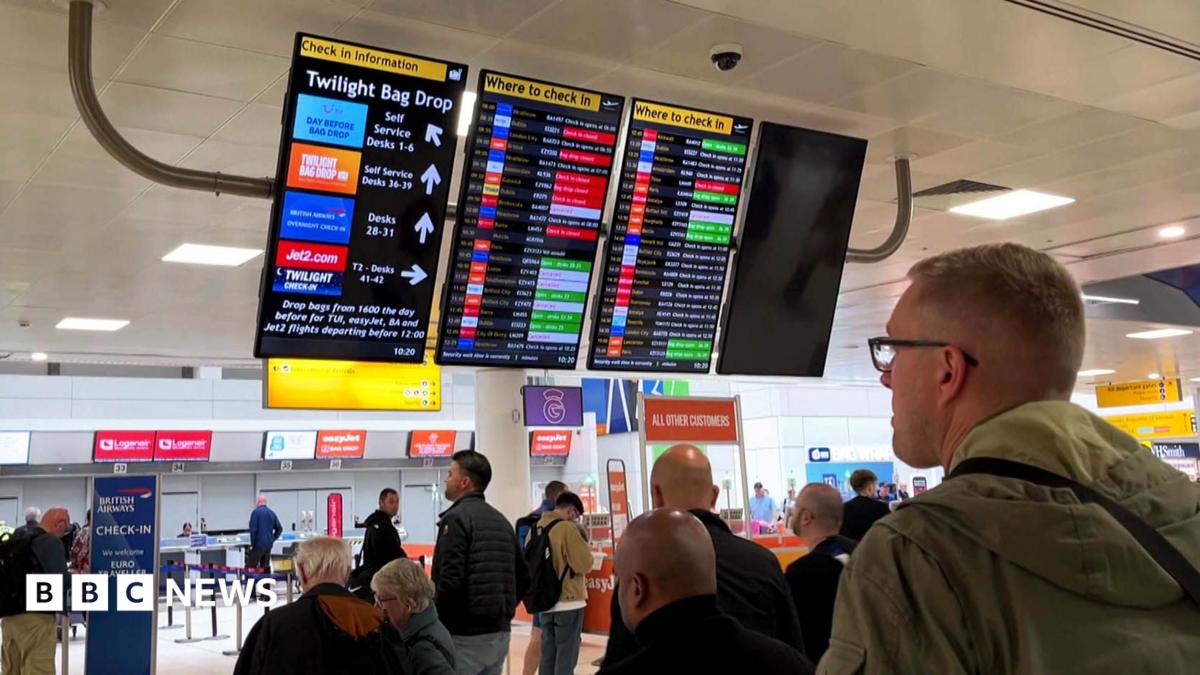
A second technical issue with the UK’s air traffic control system in two weeks caused major disruption to flights on Monday, with around 150 flights cancelled and hundreds more delayed. Airlines are criticizing National Air Traffic Services (Nats), with some calling for leadership changes and an overhaul of the system. EasyJet was the most affected airline, cancelling 47 of its 670 scheduled departures, while British Airways cancelled 12 of its 513 flights. Nats attributed the latest disruption to a “connectivity issue” and stated it was unrelated to the software defect that cancelled 2,000 flights earlier in September. The UK Civil Aviation Authority (CAA) has indicated that passengers are unlikely to be entitled to compensation, citing ‘extraordinary circumstances.’ An independent review of the UK’s air traffic control resilience is underway, with results expected within six months. Wizz Air UK’s managing director, Yvonne Moynihan, questioned the current leadership at Nats, while Ryanair reiterated its call for Nats chief Martin Rolfe to resign. Jet2 boss Steve Heapy called for ‘urgent and accountable’ action to bolster the UK’s air traffic control infrastructure.
Channel 4 News reported around 200 flights were cancelled or delayed as a result of the latest issue, which originated at the Prestwick centre in Scotland.
Airlines UK stated that both passengers and airlines “deserve better” service after “yet another Nats failure.”
The underlying issue causing Monday’s disruption has since been resolved, with Nats saying it was running at “full capacity” although officials warned of knock-on effects. A spokesperson said they were now “focused on working with our customers to recover their residual delays and help get their operations back to normal”.
The repeated failures raise questions about the long-term resilience of the UK’s air traffic control system and whether current leadership and infrastructure are adequate to handle the demands of modern air travel.
Our reading is that the repeated failures of the UK’s air traffic control system, within a short period, are prompting significant criticism from airlines and raising serious questions about the adequacy of Nats’ infrastructure and leadership. The CAA’s stance on passenger compensation suggests a prioritization of managing liability over passenger rights in these “extraordinary circumstances”. The independent review, while underway, feels reactive rather than preventative, given the recent history of disruptions.
Read the original coverage
💬 Comments
📜 Comment Policy