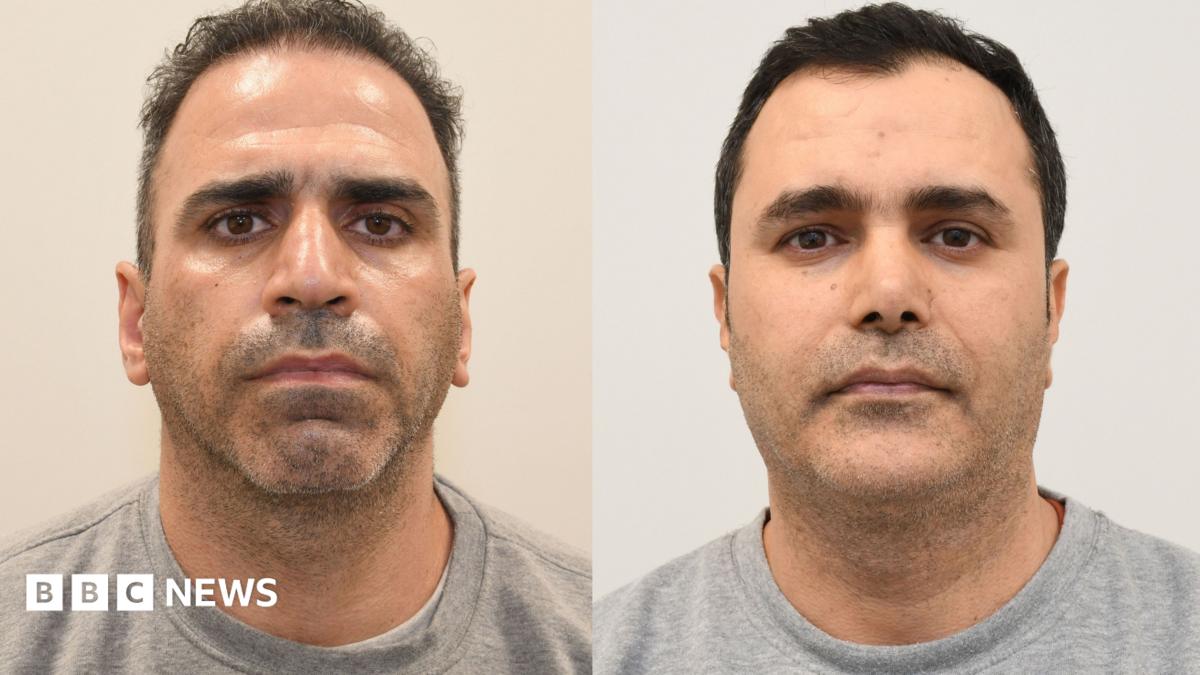
Mostafa Sepahvand, 41, and Farhad Javadi Manesh, 46, have been found guilty of engaging in conduct likely to assist Iran’s intelligence service, including surveillance of UK-based journalists and a lawyer. The convictions, secured at Woolwich Crown Court, mark the first time Iranian nationals have been convicted under Britain’s 2023 National Security Act. Prosecutors stated Sepahvand conducted reconnaissance and planned a potential violent attack against targets including journalists at Iran International and Jonathan Turner, a founding member of UK Lawyers for Israel, while Manesh assisted in the planning. The men used platforms like ChatGPT to research their targets between August 2024 and March 2025.
Senior National Coordinator for Counter Terrorism Policing Vicki Evans said Sepahvand was directed by Iran’s Revolutionary Guard (IRGC) or intermediaries for Iranian intelligence, highlighting a “continuing and increasing threat” from Iran. Manesh was acquitted of a charge relating to preparing for an attack, but both men will be sentenced next month. A third defendant, Shapoor Qalehali Khani Noori, 57, was acquitted of all charges.
While left and center sources emphasize the increasing threat from Iran and the use of the National Security Act, right-leaning coverage focuses on the act of spying on dissident journalists. The Straits Times reports that police stated the convictions reflect increasing activity by Iran, while GB News leads with the fact that the men were spying on journalists.
The extent to which these convictions reflect broader Iranian state-sponsored activity remains unclear, as does the precise nature of the planned attack beyond the stated intent to inflict violence.
Our reading is that the convictions demonstrate a proactive effort by UK authorities to address perceived Iranian intelligence activity within the country. The differing media coverage highlights a common pattern: left and center sources emphasize systemic threats and legal frameworks, while right-leaning sources prioritize the targeting of individuals perceived as opposing the Iranian regime. The article’s acknowledgement of uncertainties regarding the scope of Iranian activity and the precise nature of the planned attack suggests a cautious approach to interpreting the significance of these convictions.
Read the original coverage
💬 Comments
📜 Comment Policy