Trump's Deal for Russian Diesel Draws Criticism as Zelenskyy Condemns It
AI-synthesized · Bias removed · Facts only
3 sources: 2 left · 1 center · 0 right
Facts are sacred. Opinion is labelled.
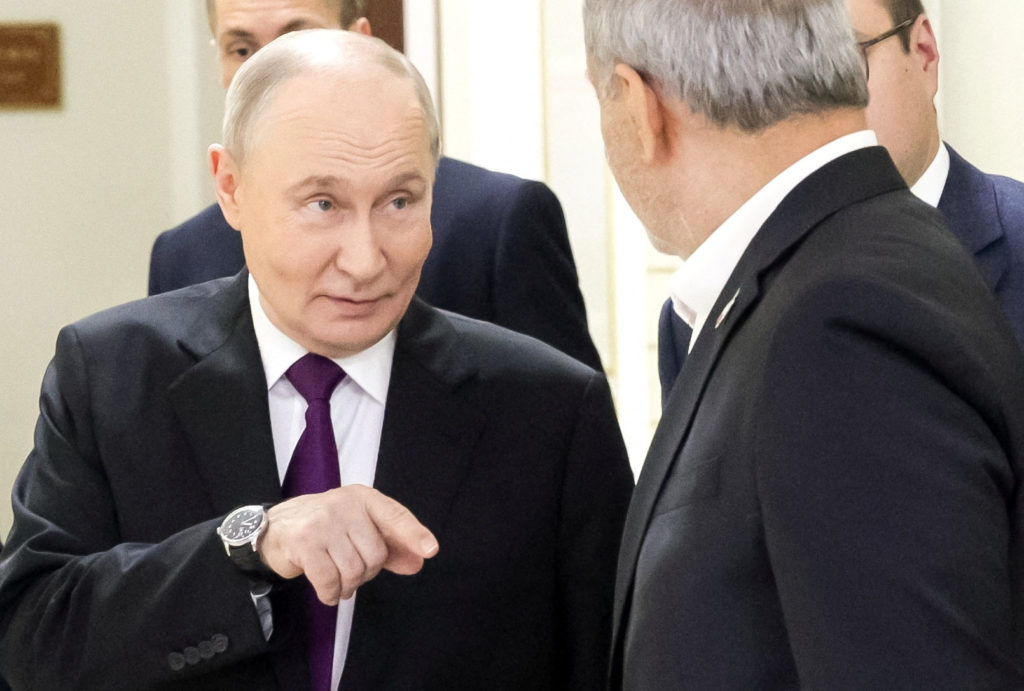
Image: Pbs Newshour
Donald Trump’s agreement to allow Russian diesel supplies into the U.S. is generating criticism both domestically and internationally, while simultaneously prompting a strong rebuke from Ukrainian President Volodymyr Zelenskyy. The deal, which Trump frames as an “energy ceasefire,” is seen by Zelenskyy as a sign of weakness and has rallied support for Ukraine among allies, including some within Trump’s own political circle. While the volume of Russian diesel is not expected to significantly impact prices, the revenue generated will benefit Moscow’s war efforts.
Zelenskyy has directly criticized Trump, calling him “weak” for the agreement. Several Republicans have also voiced objections, with Senator Thom Tillis suggesting Trump may not be following the law. These criticisms come as Trump has also threatened to cut off weapons and intelligence sharing to Ukraine if he returns to office.
Kyiv’s allies are pushing back against Trump’s deal, rallying around Zelenskyy and defending continued support for Ukraine. Bloomberg reports that Anthony Halpin explains the deal may not be as beneficial as it seems. The deal threatens to create a new rift between the U.S. and Ukraine, particularly given Zelenskyy’s strong opposition. Although the size of Russia’s diesel exports is relatively small, the revenue generated will help replenish Moscow’s war coffers, according to PBS NewsHour.
Where they differ
- The Hill emphasizes the rallying of support around Zelenskyy in response to Trump’s deal, highlighting pushback from within Trump’s circle.
- Bloomberg focuses on the potential implications of the deal, framing it as a possible 'energy ceasefire' and analyzing its underlying motives.
- PBS NewsHour highlights the limited impact on prices but emphasizes the financial benefit to Russia.
- The Washington Post details the specific Republican objections to Trump’s stance, quoting Senator Thom Tillis’s legal concerns.
What is not yet known
- The full extent to which Trump’s deal will impact the U.S.-Ukraine relationship remains unclear.
- The specific details of the agreement between Trump and Putin regarding the diesel supplies have not been fully disclosed.
Background
- Donald Trump secured the White House with support from Latino voters in 2024, but recent polling shows a significant shift towards Democrats on economic issues [Fact Refinery, 2026-10-05].
- Russia struck Ukrainian energy facilities shortly after Trump announced a supposed energy ceasefire, which Zelenskyy dismissed as ineffective [Fact Refinery, 2026-10-12].
- NATO is currently on high alert, anticipating potential Russian attacks, including covert operations and limited incursions, based on recent intelligence assessments [Fact Refinery, 2026-10-12].
- The Trump administration previously pursued policies including proof-of-citizenship requirements for voting and limitations on mail-in voting, though these were not implemented nationally [Fact Refinery, 2026-10-12].
Our reading
Our reading is that Trump’s deal for Russian diesel, while presented as an “energy ceasefire,” is creating significant friction with key allies and potentially undermining support for Ukraine. The reported objections from within his own party and the strong condemnation from Zelenskyy suggest this move is not universally accepted, even among those who previously supported his policies. We interpret the emphasis on the financial benefit to Russia as a key concern, highlighting the potential for this deal to prolong the conflict despite claims of de-escalation.
What to watch
- The specific details of the agreement between Trump and Russia regarding diesel supplies, and whether any formal contract exists, will be crucial to understanding the scope and legality of the deal [unspecified source].
- Senator Tillis’s legal concerns and any potential challenges to the deal’s legality, including any formal complaints or investigations, will indicate the level of domestic opposition [US Senate records].
- Any changes in military or financial aid commitments from the US to Ukraine, particularly following the stated threats to cut off support, will demonstrate the real-world impact of Trump’s policy [US Department of Defense/State Department releases].
💬 Comments
📜 Comment Policy