President Donald Trump stated that Israel should cease its military operations in Lebanon, emphasizing the importance of preserving a diplomatic agreement with Iran that he indicated was scheduled for signing on Sunday. This directive comes as regional tensions remain high following recent cross-border hostilities between Israeli forces and Hezbollah militants.
According to reports from Bloomberg, which is categorized as having a lean-left editorial stance, President Trump explicitly communicated his position regarding the ongoing conflict. The President expressed concern that continued military actions by Israel could jeopardize the peace deal with Iran. He described the agreement as imminent, noting that it was expected to be finalized on Sunday. The report highlights Trump's attempt to balance military pressures in the Middle East with broader geopolitical objectives involving Iran.
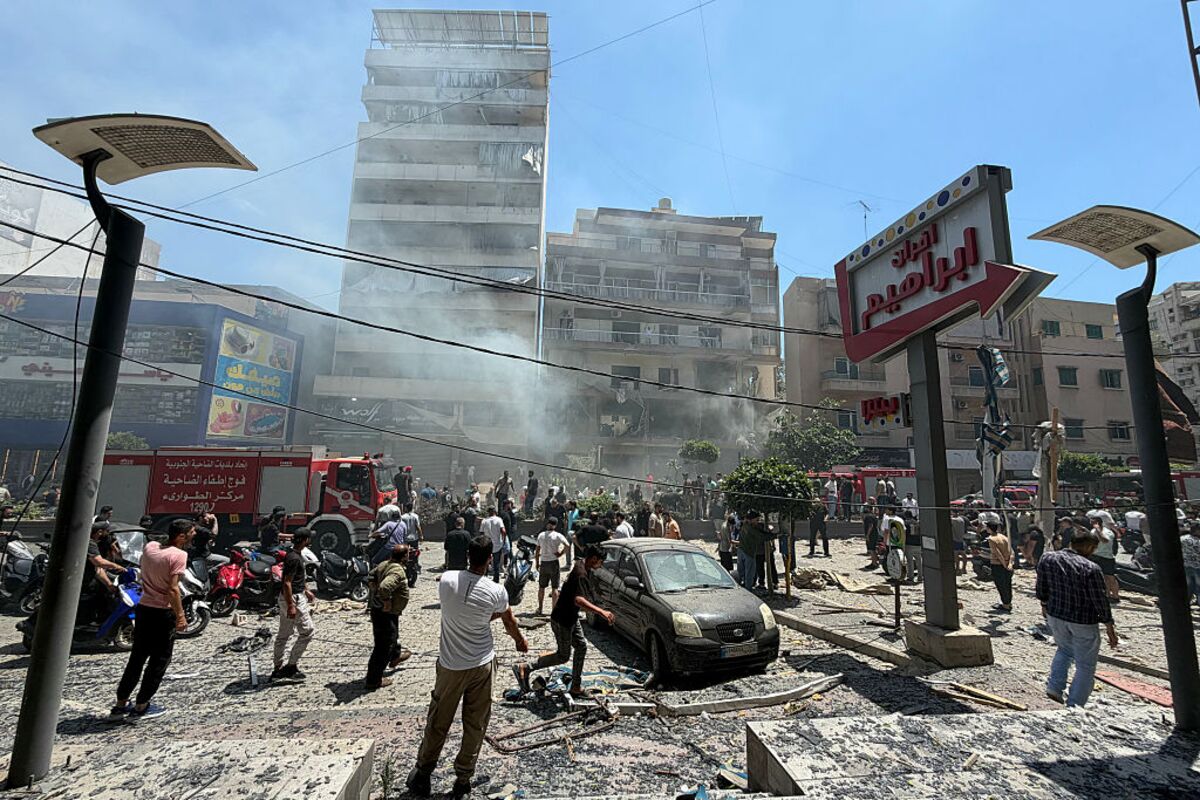
In response to the situation on the ground, New York Post reporter David McReynolds provided context regarding the immediate triggers for the Israeli strikes. The outlet, identified as having a lean-right perspective, reported that Israel had conducted attacks near Beirut on Sunday. These military actions were carried out in retaliation for Hezbollah firing shots toward Israeli territory. The report notes that the strikes occurred in the vicinity of the Lebanese capital, marking a significant escalation in the immediate conflict zone.
The New York Post further detailed President Trump's reaction to these developments. The outlet reported that Trump criticized Israel for the strikes, arguing that such actions could delay the impending peace deal with Iran. In his comments, Trump urged restraint, stating, “Let’s not blow it!” This quote underscores the administration's prioritization of the diplomatic outcome with Iran over continued military engagement in Lebanon at this specific juncture.
The juxtaposition of these reports illustrates the complex dynamics at play. While President Trump seeks to secure a diplomatic resolution with Iran, Israeli military operations continue in response to direct threats from Hezbollah. The timing of the strikes near Beirut coincides with the anticipated signing of the Iran deal, creating a potential conflict between immediate security responses and long-term diplomatic strategies.
The sources indicate that the peace deal with Iran is a central focus of the current administration's foreign policy efforts. President Trump's public statements suggest that he views the cessation of hostilities in Lebanon as a necessary condition for the successful implementation of this agreement. Conversely, Israel's military actions are framed by the New York Post as a direct response to provocation, highlighting the immediate security concerns driving Israeli decision-making.
As the Sunday deadline for the Iran deal approaches, the international community watches closely to see if diplomatic efforts can override military impulses. The statements from President Trump serve as a clear signal that the administration is willing to pressure allies to align their tactical actions with strategic diplomatic goals. Meanwhile, the ongoing exchanges of fire between Israel and Hezbollah continue to pose risks to regional stability.
The coverage from both Bloomberg and the New York Post provides a comprehensive view of the situation, combining the President's diplomatic directives with the factual background of the military engagements. The reports confirm that while the political will exists in Washington to pursue peace with Iran, the ground reality in Lebanon involves active combat operations that complicate these efforts.
Current status indicates that the Iran deal remains pending, with its success potentially hinging on the behavior of regional actors. President Trump's criticism of Israel suggests that further strikes could have significant consequences for the diplomatic timeline. The situation remains fluid as Sunday approaches, with all parties aware that their actions will influence the outcome of the negotiations.
Read the original coverage
💬 Comments
📜 Comment Policy