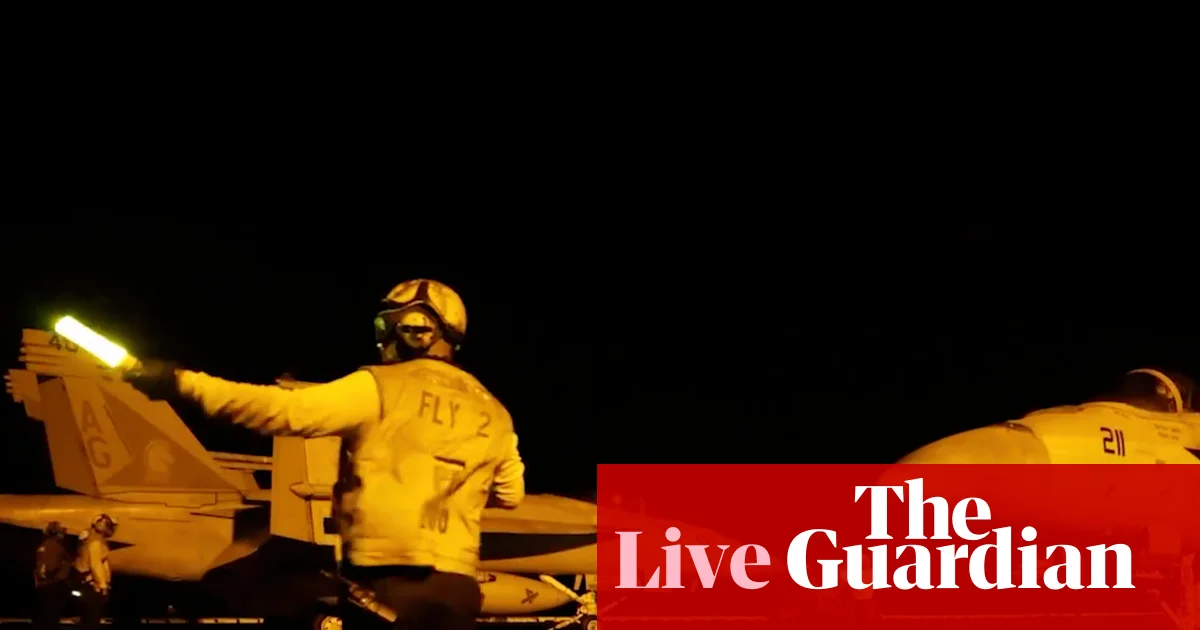
President Donald Trump has threatened the United States will attack an Iranian bridge or power plant for each ship attacked in the Strait of Hormuz, escalating rhetoric amid ongoing tensions. The threat came after the US military completed a series of strikes against Iran and following reports that Jordanian forces intercepted four Iranian missiles on Wednesday.
The president’s statement, reported across multiple outlets including Axios, the Washington Examiner, and DW, details a retaliatory measure: for every attack on a ship in the critical waterway, the U.S. would target an Iranian infrastructure asset – specifically a bridge or power plant, potentially even in Tehran. This follows a previous warning from Trump that the United States was “not finished” attacking Iran.
The Guardian reported this threat as coming after the 11th night of US military strikes on Iran. While details of those strikes remain limited, the pattern establishes an escalating cycle of action and reaction. The Middle East Eye also confirmed Trump’s statement regarding infrastructure targets. NDTV noted that the threats included potential attacks on power plants and bridges.
The Washington Times specified that this escalation is in response to continued harassment of commercial vessels within the Strait of Hormuz, a vital shipping lane. Straits Times similarly reported the president renewing threats to attack Iranian infrastructure if the regime continues its actions. Brent North Sea crude oil prices surpassed $95 per barrel for the first time in nearly six months amid these developments.
No right-leaning sources offered differing interpretations of Trump’s statements; they simply reported them as fact. Left and center outlets similarly presented the information without significant framing divergence, focusing on the escalation of rhetoric and potential consequences for regional stability. The Jordanian army's interception of Iranian missiles adds another layer to the complex security situation in the region.
The long-term impact of these threats—and whether they will be carried out—remains uncertain, as does the broader effect on maritime traffic and global oil prices.
Read the original coverage
💬 Comments
📜 Comment Policy