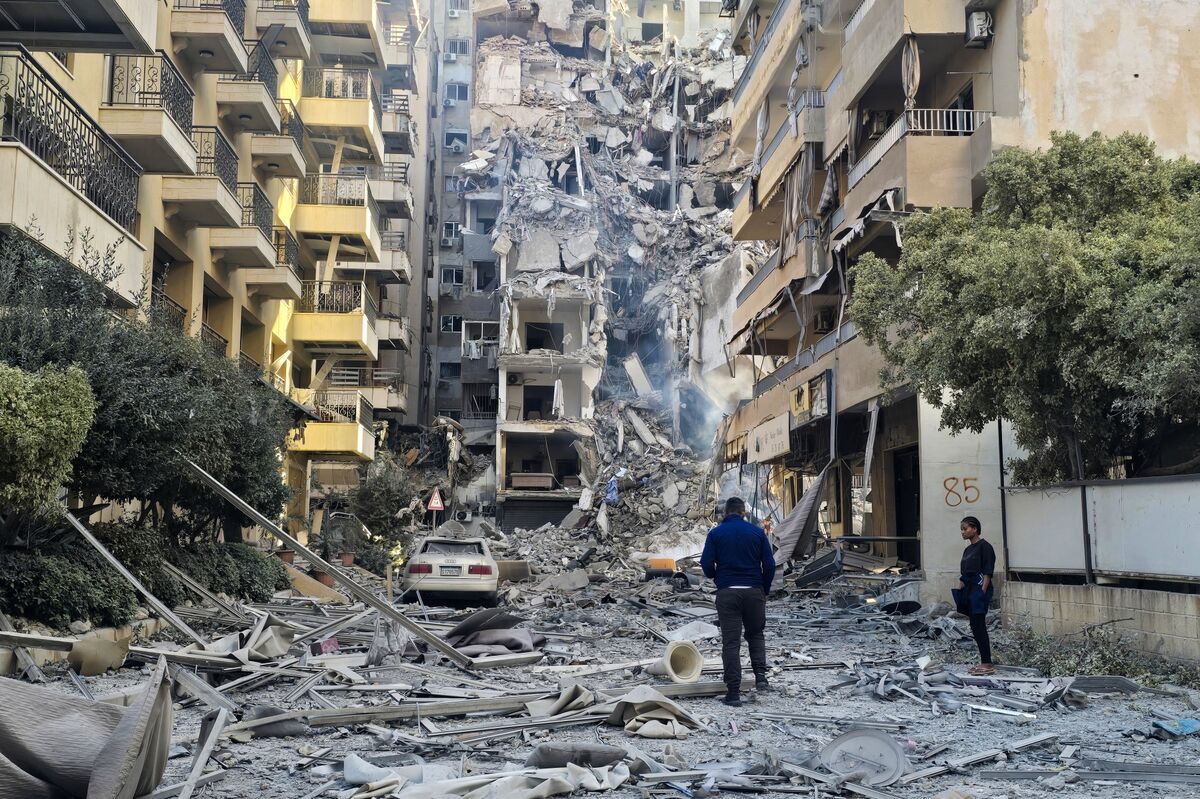
US President Donald Trump stated that Syria should handle the combat against Hezbollah in Lebanon rather than relying on Israel to conduct the military campaign there. The remarks were made by President Trump on Tuesday, during an event at the White House, according to reports from the Washington Examiner. In his comments, Trump expressed frustration with the Israeli military's operations in Lebanon and suggested that the Syrian government would be more effective in addressing the threat posed by Hezbollah.
The President’s comments cited an unspecified number of civilian casualties resulting from Israeli airstrikes as a basis for his criticism of Israel's approach. By suggesting that Syria take on this role, Trump implied a dissatisfaction with the current strategy employed by Israel and its allies in the region. The remarks highlight a divergence in perspective regarding how best to manage the ongoing conflict involving Hezbollah, a militant group based in Lebanon.
Trump’s statement marks a notable shift in diplomatic tone, as he publicly questioned the efficacy of Israel’s military actions. While specific details regarding the number of casualties were not provided, the reference to civilian deaths underscores the humanitarian concerns often associated with such military engagements. The suggestion that Syria, a state historically involved in regional conflicts and often at odds with Western powers, could perform better than Israel indicates a complex view of geopolitical alliances and capabilities.
This development adds to the ongoing discourse surrounding US foreign policy in the Middle East. President Trump’s comments may influence diplomatic relations between the United States, Israel, Syria, and Lebanon. The suggestion that Syria should take the lead in fighting Hezbollah challenges the traditional alignment of US support for Israel and raises questions about the strategic value placed on Syrian cooperation in counter-terrorism efforts.
The remarks were reported by the Washington Examiner, a publication with a lean-right editorial stance. Bloomberg, which has a lean-left perspective, also covered the story, noting that Trump vented his frustration with Israel’s military campaign in Lebanon. Both outlets confirmed that Trump went as far as to suggest Syria would do a better job fighting Hezbollah there. The convergence of reporting from both political spectrums confirms the factual basis of Trump’s statements, even though the framing of the implications may differ.
No center-leaning sources were included in this cluster for analysis. The coverage reflects perspectives from lean-left and lean-right outlets, providing a view of the event through different ideological lenses. However, the core factual claim—that President Trump suggested Syria should combat Hezbollah in Lebanon instead of Israel—remains consistent across both reports.
The situation in Lebanon remains volatile, with Hezbollah continuing to pose a significant challenge to regional stability. Israel has conducted numerous airstrikes in response to attacks attributed to Hezbollah, leading to civilian casualties and international concern. Trump’s comments may prompt further diplomatic engagement or criticism from various political actors within the United States and abroad.
As of the time of reporting, no official response from the Israeli government, the Syrian government, or the White House regarding these specific remarks has been detailed in the provided sources. The focus remains on President Trump’s expressed opinion that Syria is better equipped to handle the Hezbollah threat than Israel is. This perspective contrasts with the long-standing US policy of supporting Israel’s right to self-defense against militant groups.
The implications of such a statement are significant for regional geopolitics. It suggests a potential re-evaluation of US priorities in the Middle East or a critique of current military strategies. Observers will likely watch for any subsequent policy changes or diplomatic moves that might reflect this new viewpoint. The mention of civilian casualties also keeps the humanitarian aspect of the conflict in the public eye, potentially influencing future debates on military intervention and collateral damage.
Read the original coverage
💬 Comments
📜 Comment Policy