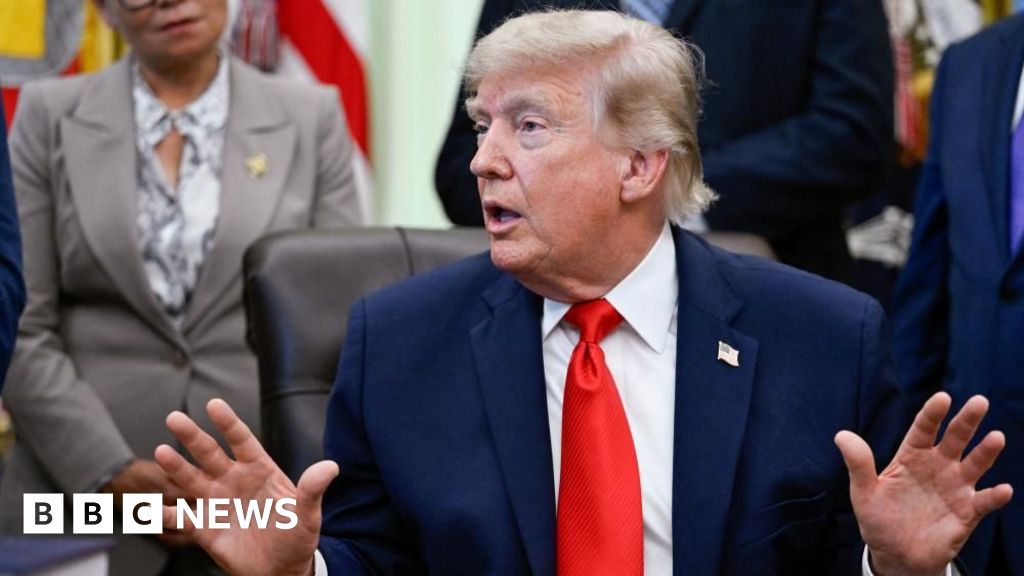
President Donald Trump announced on Saturday that a memorandum of understanding between the United States and Iran is scheduled to be signed on Sunday. The declaration was made via a post on Truth Social, where Trump stated, “The Deal is scheduled to get signed tomorrow.” He further indicated that the Strait of Hormuz would be reopened "immediately" once the agreement is finalized. Trump also asserted that the new framework would permanently block Tehran from obtaining a nuclear weapon.
Iranian officials have expressed caution regarding the specific timing of the agreement. While President Trump’s timeline suggests an imminent signing, Tehran has not publicly confirmed this schedule. Reports indicate that Iran denied the signing would take place so soon, questioning the accuracy of the proposed date. This divergence highlights a lack of public confirmation from Iranian authorities regarding the immediate execution of the deal.
International observers have also weighed in on the timeline. Pakistani Prime Minister Shehbaz Sharif stated that the finalization of the agreement was "likely expected in the next 24 hours." Sharif noted that the reopening of the Strait of Hormuz would be part of a ceasefire extension associated with the deal. This aligns with reports from other outlets suggesting that the Strait will reopen soon after the signing occurs.
President Trump added context to the negotiations by criticizing previous agreements, specifically referencing an Obama-era pact. He warned that he retains "the ultimate alternative" should the current diplomatic process fail. The President’s comments on Truth Social included additional remarks about the nature of the new framework, though specific details beyond the nuclear prohibition and Strait reopening were not fully elaborated in the initial reports.
The potential signing of this deal marks a significant development in U.S.-Iran relations. If executed as scheduled, it would represent a shift from previous diplomatic efforts. The immediate reopening of the Strait of Hormuz is cited as a key component of the ceasefire extension, which has implications for regional stability and maritime trade routes.
As of Saturday afternoon, the United States government, through President Trump, maintains that the signing is imminent. However, the absence of public confirmation from Tehran leaves the exact timing uncertain. Iranian officials remain cautious about the timeline, contrasting with the definitive language used by the U.S. president. The situation remains fluid as both parties navigate the final stages of what Trump describes as a peace deal to end the conflict.
The international community, including leaders in Pakistan, is monitoring the developments closely. The role of third-party nations in facilitating or confirming the timeline remains a point of interest, with Prime Minister Sharif’s comments providing an external perspective on the expected duration of the finalization process. The outcome of these negotiations will determine whether the Strait of Hormuz reopens as promised and whether the nuclear restrictions are permanently enforced.
Current status indicates that while the U.S. side is prepared for a Sunday signing, the Iranian side has not validated this schedule. The "ultimate alternative" threat issued by Trump serves as leverage in the ongoing diplomatic efforts. All parties await the official confirmation of the signing date and the subsequent implementation of the ceasefire terms.
Read the original coverage
💬 Comments
📜 Comment Policy