Trump Questions Midterm Results, Revives Voting Machine Claims After Initial Concession
AI-synthesized · Bias removed · Facts only
2 sources: 1 left · 1 center · 0 right
Facts are sacred. Opinion is labelled.
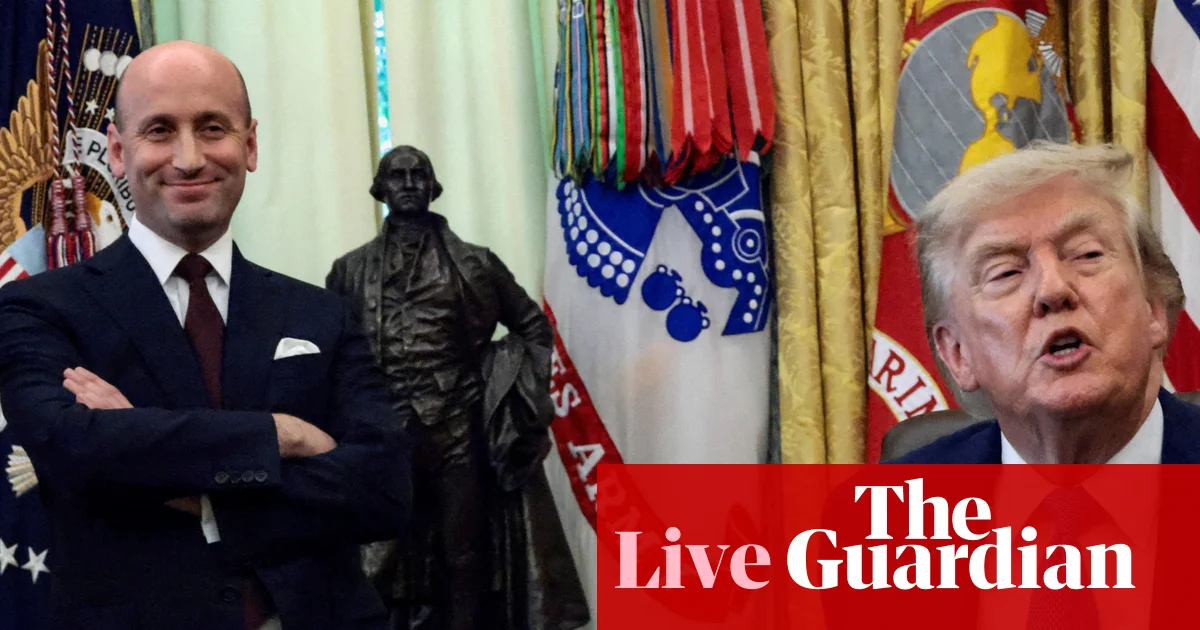
Image: Guardian Us
Donald Trump is questioning the legitimacy of the midterm election results, despite initially indicating he would accept them, and is again raising doubts about voting machines. The shift came after Democrats flipped dozens of seats and gained control of both chambers of Congress, a result Trump described as impossible given “early voting ‘dumps’.” He wrote on Truth Social, “Does anybody really believe that this ‘Election’ was honest,” and asserted, “It’s all about the machines, which are far more important than the voter!”
Trump’s claims follow a pattern of disputing electoral losses, including his unsuccessful challenges to the 2020 presidential election which culminated in the January 6th Capitol riot. After last week’s elections, Trump initially told the New York Times he was “absolutely willing” to accept the results and that his administration would “look forward” to working with Democrats. This more conciliatory tone has now been replaced with renewed skepticism.
CNBC reported that the Republican defeats were historic, occurring in traditionally strong GOP states like Texas and South Carolina. The Guardian noted voting rights experts were initially concerned about potential contests to the results, but Trump appeared to concede after the election. Incoming Democratic senators are currently on Capitol Hill for orientation meetings.
Where they differ
- The Guardian emphasized voting rights experts’ initial concerns about a potential contest to the results, while CNBC focused on the historic nature of the Republican defeats.
- CNBC highlighted specific states where Republicans suffered losses (Texas, South Carolina), a detail not explicitly mentioned in the Guardian’s reporting.
What is not yet known
- The extent to which Trump’s claims will translate into formal challenges to the election results remains unclear.
Background
- Donald Trump previously disputed the results of the 2020 presidential election, culminating in the January 6th Capitol riot [Fact Refinery, 2026-11-09].
- Democrats gained control of both chambers of Congress in the 2026 midterm elections, prompting internal Republican debate over the future of the MAGA movement [Fact Refinery, 2026-11-09].
- Following the midterm losses, Trump acknowledged his administration’s deportation policies may have been “too tough” while simultaneously appointing Stephen Miller as his Chief of Staff [Fact Refinery, 2026-11-09].
- Voters signaled a demand for economic relief in the recent elections, presenting both Trump and the incoming Democratic congressional majority with policy challenges [Fact Refinery, 2026-11-08].
Our reading
Our reading is that Trump’s renewed questioning of the election results, despite an initial acceptance, represents a continuation of his established pattern of disputing electoral losses. The shift in tone, following a brief period of conciliatory language, suggests a reluctance to acknowledge the Democratic victory and a possible attempt to delegitimize the new Congress. The emphasis on voting machines, echoing claims from the 2020 election, appears to be a way to cast doubt on the integrity of the process rather than address the scale of the Republican defeats.
What to watch
- Whether Trump initiates formal legal challenges to the election results by a specific date, such as the deadline for filing recounts or contesting certifications [Relevant state election boards].
- The level of support Trump receives from other Republican leaders for his claims of a fraudulent election, gauged by public statements and endorsements [News organizations, social media].
- Any changes to voting machine security protocols or investigations initiated based on Trump’s allegations, tracked through official government announcements [Department of Justice, state election authorities].
💬 Comments
📜 Comment Policy