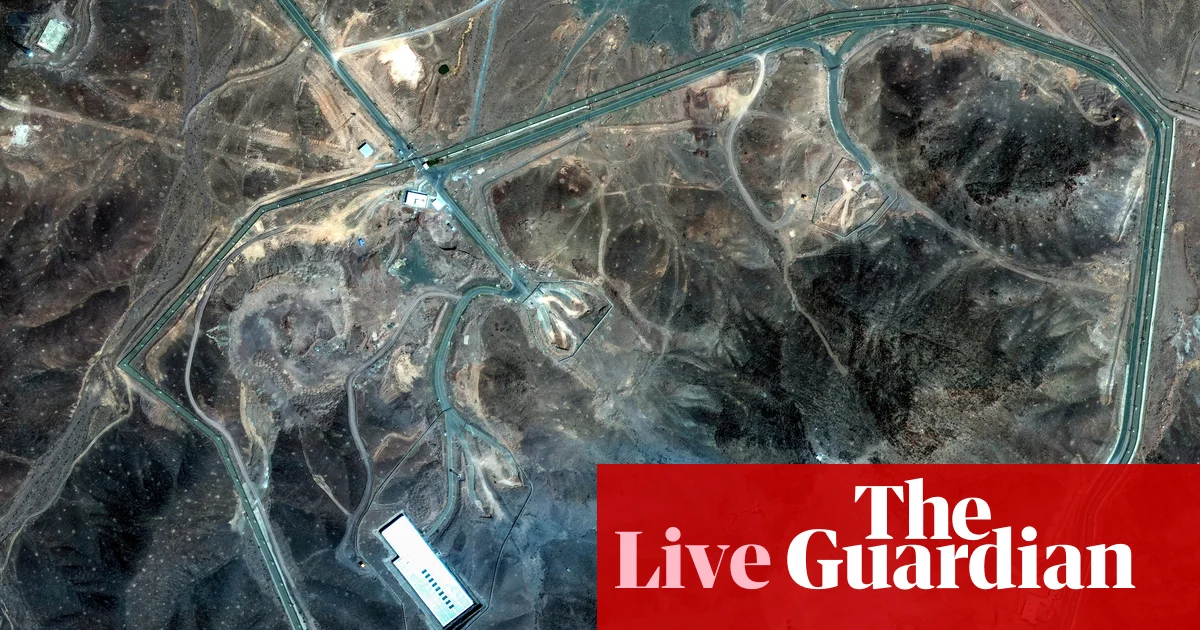
U.S. President Donald Trump stated on Tuesday that Iran has fully agreed to allow nuclear inspections extending long into the future, asserting that Tehran has committed to a standard of "nuclear honesty." This declaration was made despite immediate and explicit denials from Iranian officials, who stated there are no plans for the International Atomic Energy Agency (IAEA) to inspect sites in Iran that were bombed by the United States and Israel the previous year. The conflicting reports highlight a significant diplomatic discrepancy regarding the status of nuclear oversight between Washington and Tehran.
President Trump characterized the alleged agreement as a major breakthrough, telling reporters that Iran "has fully and completely agreed to highest level Nuclear inspections." He accused Iranian officials of making "false statements" to contradict his claim. In his assessment, Trump insisted that the Iranian government had committed to allowing these inspections indefinitely, using language that suggested an open-ended duration for the oversight mechanism. The President's assertions were presented as definitive facts by his administration, framing the development as a significant diplomatic success.
Conversely, Iran’s foreign ministry issued a statement directly refuting the President's claims. Iranian officials clarified that there are no current plans to permit IAEA inspectors to visit specific locations within Iran. These sites had been targeted in bombings conducted jointly by U.S. and Israeli forces during the previous year. The Iranian government warned against "exaggerations" regarding any agreement on inspections, indicating that the media reports suggesting a consensus were inaccurate. This denial serves as a direct counter-narrative to the President's public statements, creating a situation where both sides present mutually exclusive facts regarding the same diplomatic issue.
The dispute centers on the interpretation of recent diplomatic interactions or communications between the two nations. While the U.S. President frames the situation as a completed agreement secured through his administration's efforts, Iranian authorities maintain that no such accord exists and that their stance remains unchanged regarding IAEA access to the bombed sites. The lack of corroborating evidence from independent international bodies or official Iranian documentation leaves the status of the alleged agreement in question.
As of the latest reports, the two governments hold opposing views on whether nuclear inspections have been agreed upon. The U.S. administration continues to assert that Iran has committed to these measures, while Tehran maintains its position that no such plans are in place. This divergence underscores the ongoing tensions and lack of transparency in the diplomatic channels between the United States and Iran regarding nuclear security protocols.
Read the original coverage
💬 Comments
📜 Comment Policy