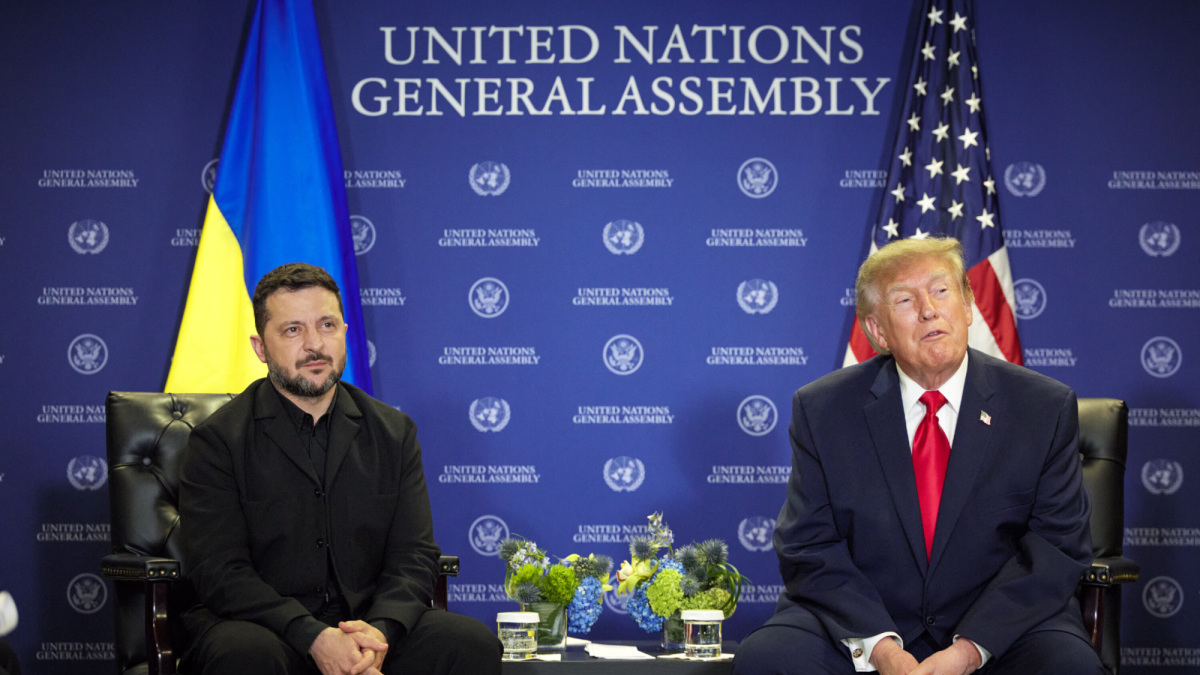
Trump Blames Ukraine for Rising Fuel Prices, Proposes Deal and Sanction Changes
Politics
✓ Neutralized●●○
1h ago

Trump Blames Ukraine for Rising Fuel Prices, Proposes Deal and Sanction Changes

AI-synthesized · Bias removed · Facts only
2 sources: 1 left · 1 center · 0 right
Image: Mother Jones

Donald Trump has repeatedly attributed rising fuel prices to Ukraine’s retaliatory strikes on Russian oil refineries, while also proposing a deal with Russia and altering his stance on sanctions. He has called for Ukraine to accept a peace deal and suggested a “new leader,” criticizing President Zelenskyy’s approach. Zelenskyy responded by stating that the closure of the Strait of Hormuz is the primary driver of price increases and accused Trump of deflecting blame.

On Friday, Trump agreed to allow Russia to supply diesel to other countries, a move he believes will lower prices. However, last month he signed a bill granting him authority to impose tariffs of up to 100 percent on countries buying Russian oil or gas, particularly China and India. This shift has drawn criticism from some Republican lawmakers. Representative Michael McCaul expressed concern that lifting sanctions on Russian oil would fund Russia’s war effort, while Senator Lisa Murkowski urged Trump to utilize his sanctioning authority against Russia. Representative Brian Fitzpatrick announced plans for a bipartisan bill to prevent the president from lifting sanctions.

CBS News confirmed Trump is threatening to withhold intelligence on Russian ballistic missile attacks from Ukraine and to suspend European purchases of U.S.-made weapons provided to Ukraine.

Where they differ

  • Mother Jones emphasized Trump’s criticism of Zelenskyy and his call for a new Ukrainian leader, framing it as an escalation of rhetoric.
  • CBS News focused on the threats Trump is making regarding intelligence sharing and weapons supplies, presenting a more direct account of his actions.
  • Mother Jones highlighted the opposition to Trump’s deal from within the Republican party, while CBS News did not.

What is not yet known

  • The specifics of the “ENERGY CEASEFIRE” claimed by Trump remain unclear.
  • The details of the deal allowing Russia to supply diesel to other countries are not fully explained.

Background

  • Donald Trump previously claimed a ceasefire agreement with Russia, which was contradicted by ongoing Russian strikes on Ukraine [Fact Refinery, 2026-10-12].
  • Ukraine has been conducting drone strikes on Russian oil facilities, and Russia has retaliated by targeting Ukrainian energy infrastructure [Fact Refinery, 2026-10-08, 2026-09-20].
  • The US recently allowed a temporary waiver of sanctions to allow Russian diesel exports, citing global market needs [Fact Refinery, 2026-10-11].
  • Ukraine and Russia have both been targeting each other’s energy infrastructure for months, disrupting supplies on both sides [Fact Refinery, 2026-10-12].

Our reading

Our reading is that Trump is prioritizing perceived domestic fuel prices over consistent support for Ukraine, and is willing to publicly pressure Kyiv while simultaneously seeking deals with Moscow. The conflicting signals, threatening to withhold aid while offering sanction relief, suggest a strategy focused on projecting strength through negotiation, even if it alienates allies and undermines Ukraine’s position. The differing accounts from Mother Jones and CBS News highlight the partisan framing of these actions, with some outlets emphasizing the political fallout and others the direct implications for US policy.

What to watch

  • The specifics of the “ENERGY CEASEFIRE” and the diesel deal, including any formal agreements or documented terms [unspecified sources].
  • Whether Representative Fitzpatrick’s bipartisan bill to prevent lifting sanctions gains traction in Congress [congressional records].
  • Any changes in the flow of intelligence or weapons to Ukraine from the US, and whether Trump follows through on his threats [US Department of Defense press releases].
Was this useful?

Read the original coverage

💬 Comments

📜 Comment Policy