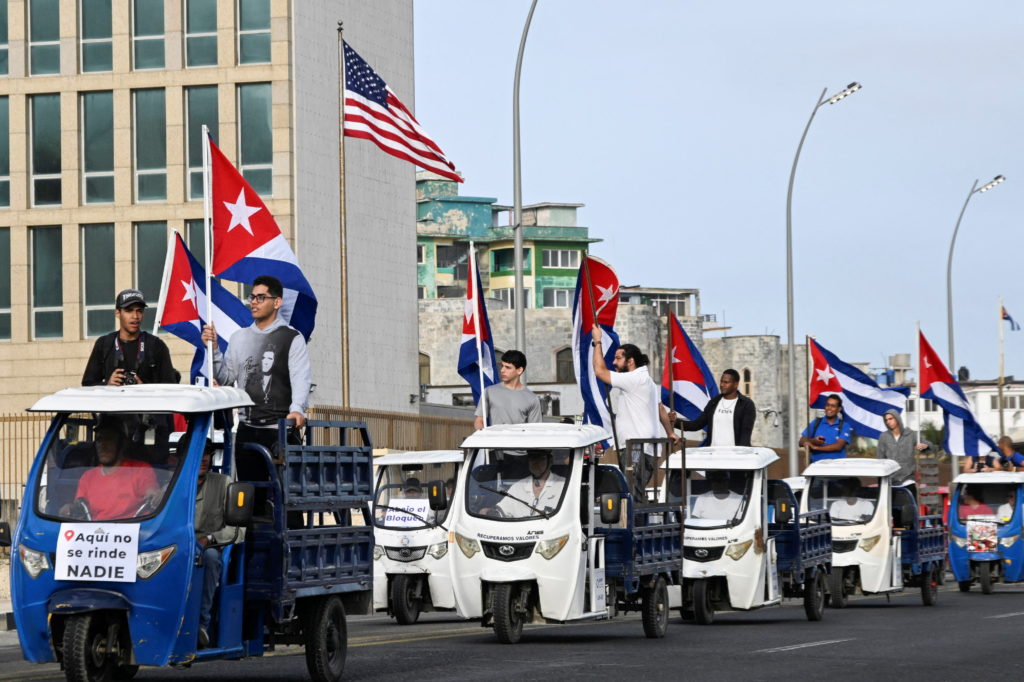
The Trump administration's strategy regarding Cuba has drawn comparisons to the approach previously used for Venezuela, though analysts note key differences between the two situations.
President Donald Trump has frequently warned that "Cuba is next," suggesting similar pressure tactics may be applied to the island nation. This warning has been a recurring theme in the administration's statements about its foreign policy objectives in the region.
The administration's approach toward Cuba includes several elements that mirror the Venezuela playbook, according to reports. These elements include an oil blockade, a growing U.S. military presence in the region, federal charges, and repeated threats of intervention. These measures represent an escalation of pressure tactics against the Cuban government.
However, experts have pointed out that similar pressure campaigns do not necessarily produce similar results. The context and conditions in Cuba differ from those in Venezuela, which may affect the outcome of such strategies. Analysts suggest that while the tactics may appear similar, the political, economic, and social landscapes of the two nations present different challenges and potential outcomes.
The comparison between the two approaches highlights the administration's pattern of using economic and diplomatic pressure, combined with military posturing, as tools in its foreign policy toward nations it views as adversarial. The strategy relies on multiple forms of pressure simultaneously, rather than a single diplomatic or economic approach.
The use of federal charges represents one component of this broader strategy, adding legal pressure to the mix of economic and military measures. The oil blockade targets a critical economic sector, while the growing military presence serves as both a deterrent and a signal of U.S. commitment to the pressure campaign.
The repeated threats of intervention underscore the administration's willingness to consider more direct action if other measures do not achieve the desired results. However, experts caution that the effectiveness of such threats depends on numerous factors specific to each situation.
The current status of the strategy remains in development, with the administration continuing to implement various pressure tactics while experts assess the potential outcomes and differences from previous campaigns.
Read the original coverage
💬 Comments
📜 Comment Policy