Trump Administration to Allow Russian Diesel Fuel on Global Market
Politics
✓ Neutralized●●○
1h ago

Trump Administration to Allow Russian Diesel Fuel on Global Market

AI-synthesized · Bias removed · Facts only
3 sources: 1 left · 2 center · 0 right
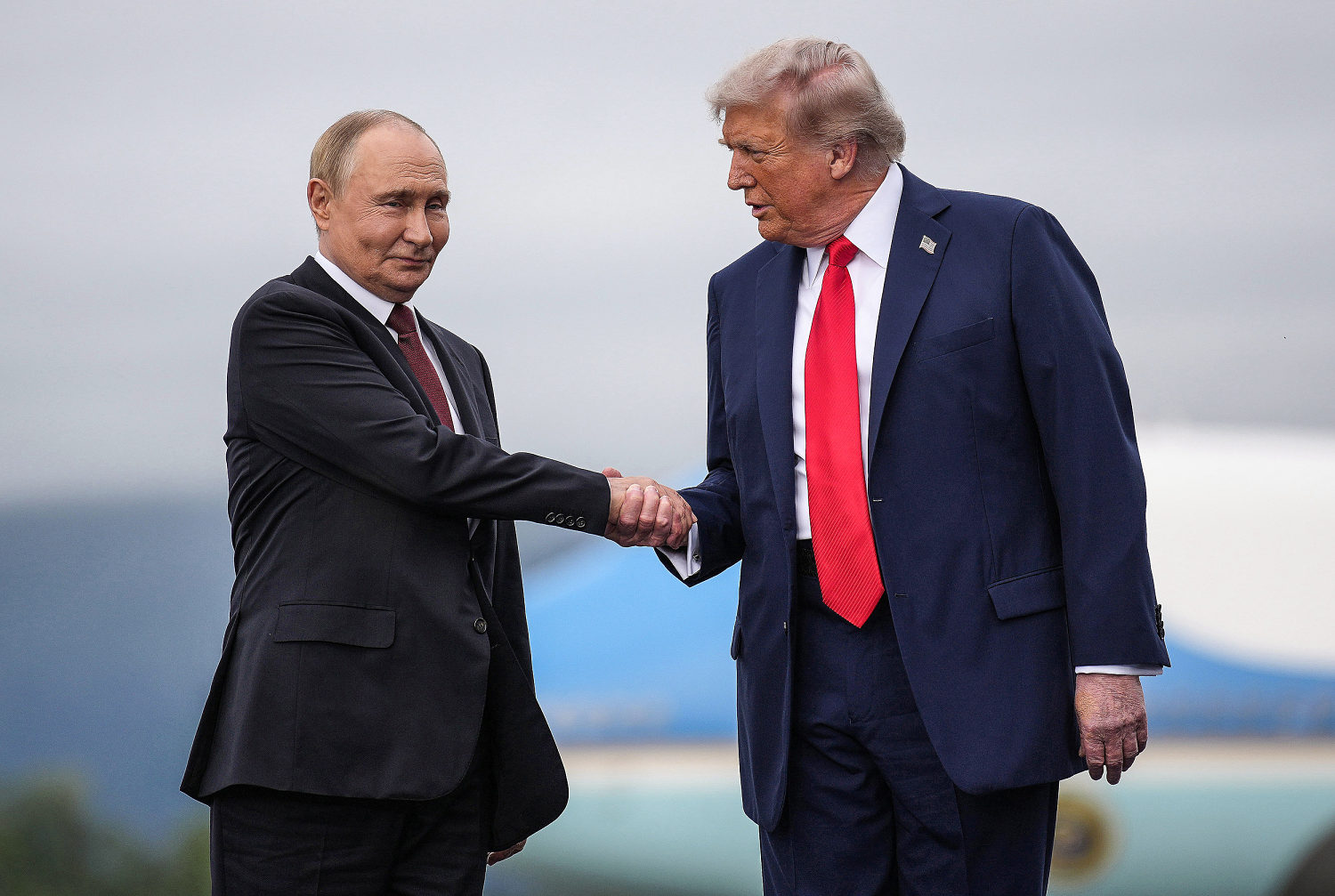
Image: Nbc News

The Trump administration will temporarily ease sanctions on Russia to allow the supply of diesel fuel to the global market, following an agreement with President Vladimir Putin. The move, announced Friday, aims to address rising diesel prices, which have increased nearly 70% since February, and comes as Ukraine targets Russian energy assets and Russia has imposed its own export ban. Trump stated Russia will immediately supply over 300,000 tons of diesel, with additional shipments of 500,000 tons in November, 1 million tons thereafter, and potentially 3 million tons more depending on refinery capacity. The Treasury Department issued a temporary general license authorizing the sale and import of Russian diesel through April 7, 2027.

While the administration frames this as a measure to lower fuel costs, the decision has drawn criticism. European officials, including German Chancellor Friedrich Merz, have denounced the easing of sanctions, arguing it is a mistake. Ukrainian President Volodymyr Zelenskyy previously condemned similar moves as funding Russia’s “war machine.” Despite the announcement, European-traded diesel futures fell only 4%, remaining 135% higher since the start of the year, and crude oil prices barely budged. Trump previously eased sanctions earlier this year in an attempt to slow rising oil prices, a move that did not significantly impact the price trajectory.

The timing of the announcement comes weeks before the midterm elections, with Republicans facing pressure to address high fuel prices, particularly in agricultural states like Iowa. Trump signed legislation imposing a 500% tariff on Russian goods, but retains the power to waive those provisions. The administration has previously alternated between economic penalties on Russia and waivers to address energy market disruptions.

Where they differ

  • CNBC and the New York Post emphasized the specific quantities of diesel Russia will supply, over 300,000 tons immediately, 500,000 in November, 1 million thereafter, and up to 3 million more, while other sources reported the overall agreement without those precise figures.
  • NBC News highlighted the criticism from European officials and Zelenskyy of previous sanction easing, while other outlets focused primarily on the announcement itself.
  • The Financial Times framed the deal as coming just weeks before critical midterm elections, emphasizing the political timing, which other sources mentioned but did not foreground.
  • Bloomberg provided the most concise report, focusing solely on the agreement between Trump and Putin without detailing specific quantities or political context.

What is not yet known

  • The long-term impact of the diesel supply on global prices remains uncertain, as initial market reactions were limited.
  • The extent to which Russia's refineries are operating at capacity, and therefore the actual volume of the additional 3 million tons of diesel, is not specified.

Background

  • Donald Trump previously eased sanctions earlier this year in an attempt to slow rising oil prices, but this did not significantly impact prices [Fact Refinery, 2026-10-07].
  • Russia has been accused of escalating a “hybrid war” against Europe, incorporating disinformation, cyberattacks, and threats of nuclear weapon use [Fact Refinery, 2026-10-06].
  • Steve Witkoff is a real estate developer and long-time associate of Donald Trump [background knowledge].
  • The World Health Organization and the U.S. State Department requested further information from Russia regarding a death at a Siberian lab in early October [Fact Refinery, 2026-10-07].

Our reading

Our reading is that the Trump administration is prioritizing domestic political concerns, specifically, mitigating voter anger over high fuel prices ahead of the midterm elections, over consistent application of sanctions against Russia. While framed as an economic measure, the limited initial market reaction suggests the primary impact may be symbolic or intended to signal a willingness to negotiate, even if it risks alienating European allies. The differing emphasis across news outlets highlights the multiple layers of this story: the immediate economic impact, the geopolitical implications, and the domestic political calculations.

What to watch

  • The price of European-traded diesel futures in the coming weeks to see if the supply actually impacts costs [various sources].
  • Whether the Treasury Department extends the temporary general license beyond April 7, 2027, indicating a long-term shift in policy [Treasury Department website].
  • The outcome of the midterm elections and whether Republicans gain or lose seats, potentially indicating voter response to the administration’s handling of fuel prices [election results reporting].
Was this useful?

Read the original coverage

💬 Comments

📜 Comment Policy