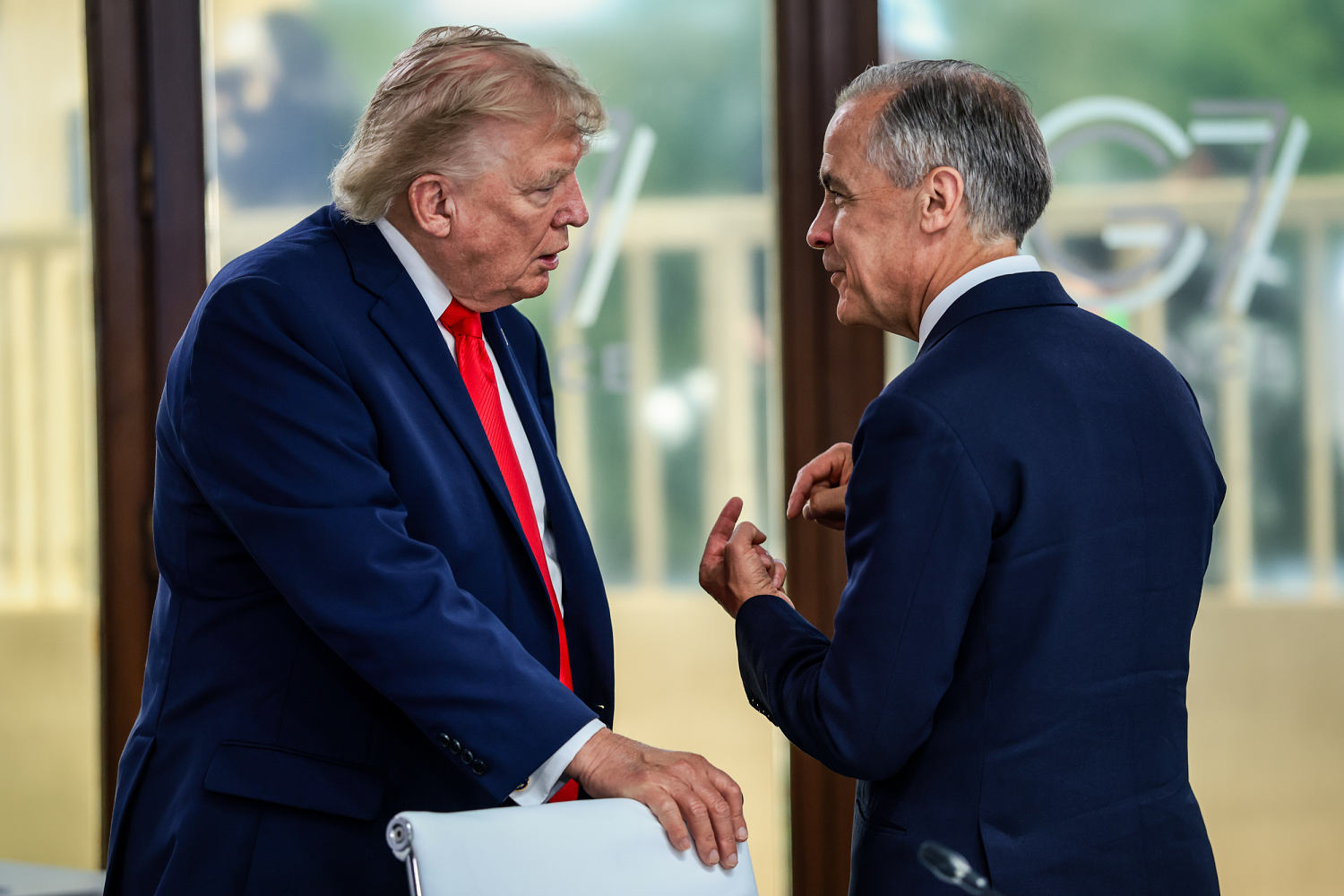
The Trump administration on Friday granted tariff exemptions on some Canadian imports, two weeks before the November 3 midterm elections. The move, which includes exemptions for products crucial to Maine’s agricultural industries like blueberries, potatoes, and seaweed, came after Senator Susan Collins announced she had lobbied for the changes. While the administration removed tariffs on certain goods, including plywood, paper products, and refrigeration equipment, it simultaneously imposed new tariffs on items like carpets, valves, and waste products, stating the action was intended to “further refine the scope of the tariffs.”
The decision appears to be aimed at easing economic pressure in key swing states ahead of the midterms, as Collins highlighted the reliance of Maine farmers on Canadian products unavailable or costly to source domestically. Democratic challenger Troy Jackson criticized Collins, arguing she enabled the trade wars and is now seeking credit for a limited fix. The White House statement did not mention Collins, and she did not mention Trump in her announcement, focusing instead on administration officials. Canada’s Minister in charge of U.S.-Canada trade, Dominic LeBlanc, stated Ottawa remains ready to work constructively with the U.S., while noting the recent tariff measures.
The tariffs initially impacted around $20 billion worth of Canadian exports to the United States, or 5.5% of the total, following the breakdown of trade negotiations in August. Canada has since entered a technical recession with two consecutive quarters of economic contraction. The administration’s actions follow a pattern of upending global trade norms through tariffs, often linking them to political objectives. The new measures will take effect on October 30.
Our reading is that the administration’s selective tariff adjustments appear strategically timed to influence the upcoming midterm elections, specifically targeting economic concerns in key swing states like Maine. While presented as a “refinement” of existing tariffs, the move seems designed to offer a limited economic benefit to specific constituencies, potentially bolstering support for Senator Collins. The simultaneous imposition of new tariffs suggests a broader pattern of using trade policy as a political instrument, rather than solely based on economic considerations.
Read the original coverage
💬 Comments
📜 Comment Policy