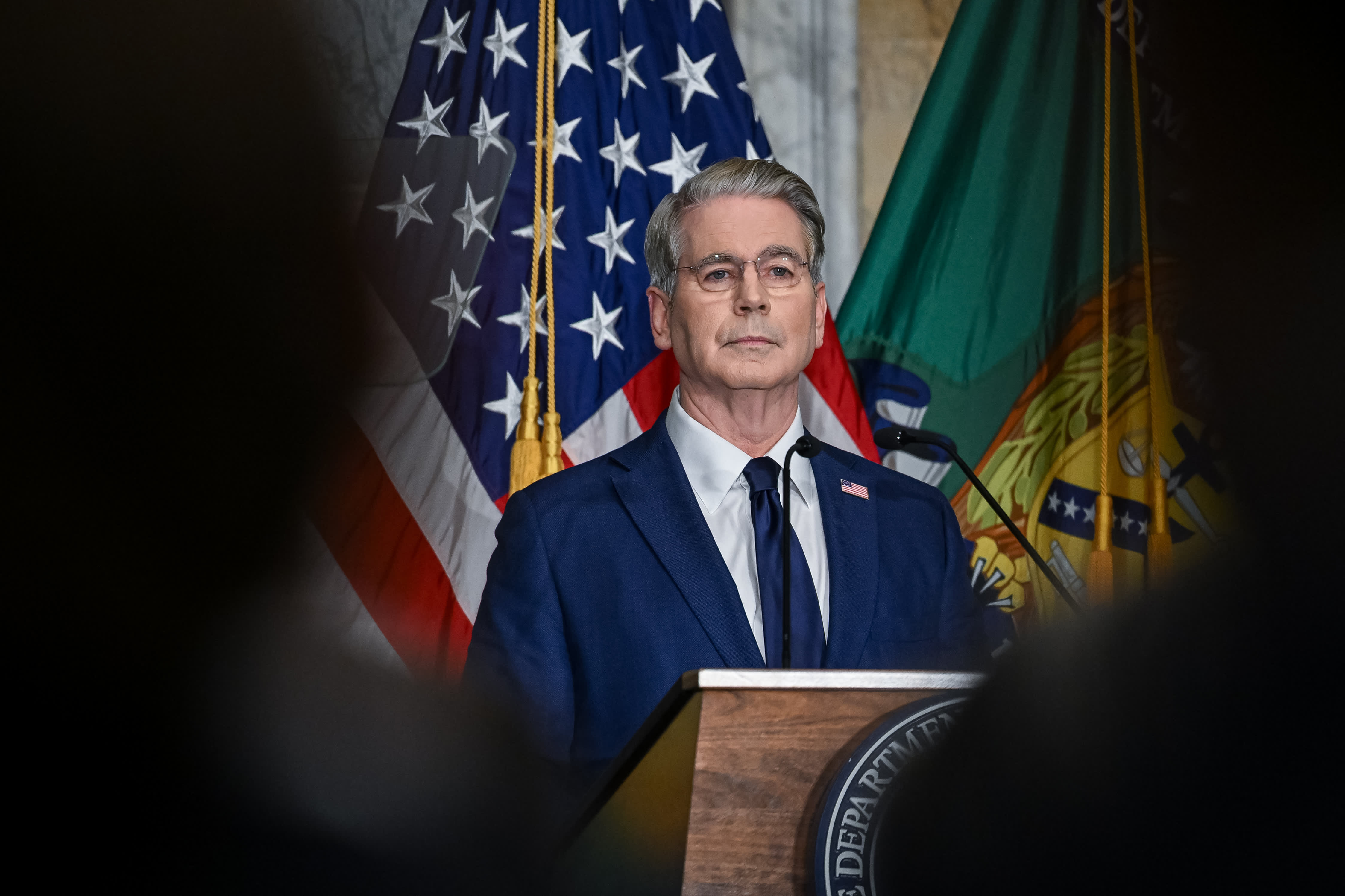
The U.S. Treasury Department on Friday sanctioned the UAE branch of Banque Misr, alleging it processed $1.8 billion over two years for companies potentially linked to Iran’s shadow banking network. The action, part of the newly launched “Operation Economic Outcast,” aims to sever Iran’s financial connections globally. Treasury intends to revoke Banque Misr UAE’s access to U.S. financial institutions. Treasury also blacklisted Reza Mohammad Taeedi, general manager of Bank Melli Dubai, and sanctioned Hong Kong entity Kameng Trading Limited, alleging it launders money for an Iranian exchange house.
The restrictions target only the UAE branch of Banque Misr, not other branches. The move follows Treasury Secretary Scott Bessent’s demand for the closure of all Bank Melli branches and a threat that any institution facilitating Iranian transactions would be removed from the U.S. dollar system. This is the first time a FinCEN correspondent banking rule has been used under Operation Economic Outcast.
While President Trump has likened the sanctions campaign to D-Day, Treasury’s actions have been described as modest in scope so far. Iran’s crude oil exports, primarily to China, remain a crucial revenue source, despite a U.S. Navy blockade of the Strait of Hormuz; Kpler reports tankers loaded with millions of barrels of Iranian oil are awaiting discharge in China.
No immediate statement has been issued by Banque Misr or its UAE branch. The situation leaves open the question of whether the U.S. will follow through on threats to sanction Chinese institutions involved in Iranian oil transactions, and what the impact of such actions might be on global oil markets.
Read the original coverage
💬 Comments
📜 Comment Policy