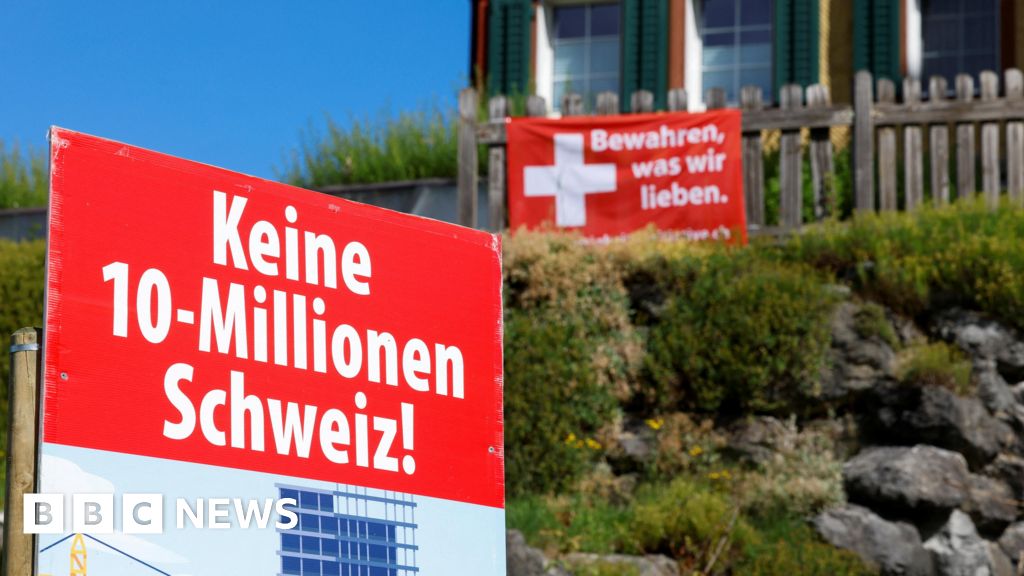
Swiss voters have rejected a proposal to cap the country's population at 10 million people, according to early projections released on Sunday. The initiative, which sought to dictate population levels by law, was defeated as warnings about potential economic damage outweighed concerns regarding immigration. Not all votes had been counted at the time of the initial reports, but current trends indicated that approximately 55% of participants voted against the measure.
The proposal was championed by Switzerland's top right-wing party as part of a broader effort to curb immigration. Early results showed that voters cast their final ballots on Sunday, rejecting what was described as a divisive anti-immigration plan. The initiative represented an unprecedented scheme to legally enforce population limits within the Alpine nation. This event sits alongside burgeoning efforts by political groups in Europe to establish tougher curbs on immigration.
Sources characterized the proposal as a radical measure. Bloomberg reported that the rejection occurred because warnings about economic damage from introducing such a radical measure outweighed concerns about immigration. The Washington Times noted that the initiative was championed by the top right-wing party, framing the outcome as a rejection of the right-wing's bid to cap the population. Similarly, the South China Morning Post described the plan as a divisive anti-immigration proposal that appeared to have been voted down.
The Daily World (DW) and BBC News also reported on the rejection, noting that early results showed Swiss voters were set to reject the proposal put forward by a hard-right party. The BBC specified that while not all votes were counted, the trend suggested 55% of participants voted against the proposal. Japan Times provided context on the nature of the scheme, describing it as an attempt to dictate population levels by law.
The outcome highlights the tension between immigration control measures and economic considerations in Switzerland. While the right-wing party pushed for the cap, the electorate's decision suggests that concerns about the economic implications of such a restriction were more influential than the desire to limit population growth through legal caps. The rejection marks a significant moment in Swiss political history, as it involves a direct attempt to regulate demographic changes through constitutional or legislative means.
As votes continued to be counted, the projections remained consistent with the initial reports of rejection. The defeat of the proposal indicates that the majority of Swiss voters did not support the specific mechanism of a 10 million person cap, despite the political capital invested by the right-wing party in promoting the initiative. The event underscores the complexity of immigration policy in Europe, where legal frameworks for population control face significant public resistance.
Read the original coverage
💬 Comments
📜 Comment Policy