Survivors of Oxford Grooming Gangs Say Hundreds of Abusers Remain Free
AI-synthesized · Bias removed · Facts only
2 sources: 1 left · 0 center · 1 right
Facts are sacred. Opinion is labelled.
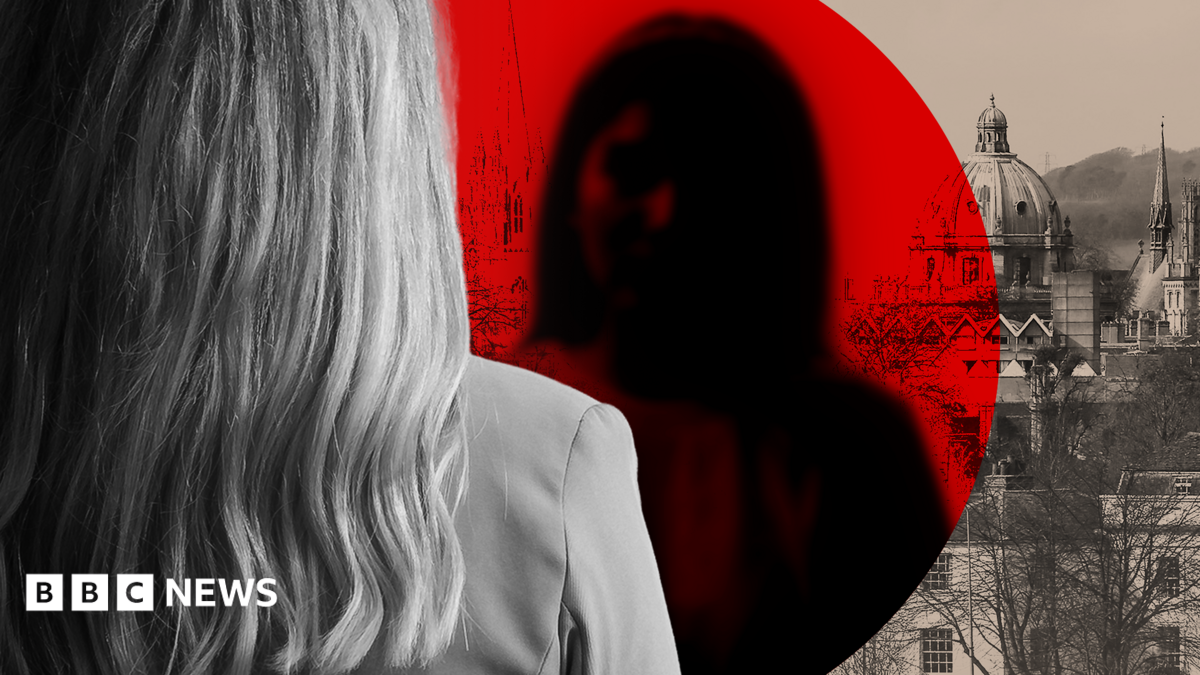
Image: Bbc Us
Survivors of grooming gangs in Oxford report seeing their abusers still present in the city, with estimates that hundreds of perpetrators have not been brought to justice. Sarah, Chloe, and Rachel, survivors who have come forward to detail their experiences, allege they were subjected to sexual abuse, drug exploitation, and trafficking between the 1990s and 2010s. Sarah testified against three men who were convicted in 2020 and sentenced to between five and 24 years in prison, but states this is ‘too little, too late’ after a lifetime battling addiction. Chloe chose not to pursue a police investigation but continues to encounter abusers in her community. Rachel was a key witness in the 2013 conviction of seven gang members. Many of the perpetrators are described as older men of Pakistani heritage.
Both survivors and former senior detective Simon Morton, who led the initial Oxford grooming probe, believe hundreds of abusers remain at large. Sarah described being given heroin-laced cigarettes and then being told she owed money to the gang, while Chloe was trafficked to other towns at age 12. One survivor alleged a police officer attempted to sexually assault her. A serious case review found no evidence of racial bias influencing the initial Oxford investigation, unlike cases in Rotherham and Rochdale where police were accused of hesitating to act. The government has launched a national inquiry into the protection of vulnerable children, including whether attitudes toward the girls or the ethnicity of the perpetrators contributed to failings. The BBC’s Panorama documentary, ‘Grooming Gangs: Why Were We Ignored?’, examines the legacy of these abuses.
Where they differ
- The Daily Mail emphasized the detail of specific allegations, including a claim of a police officer attempting sexual assault and the use of heroin-laced cigarettes.
- BBC Panorama focused on the broader context of the national inquiry and the lasting impact on survivors, framing the story around the question of why these abuses were ignored.
- The Daily Mail included more graphic details of the abuse, such as the description of being locked in houses and the number of men involved in attacks, while the BBC report was more restrained in its descriptions.
What is not yet known
- The full extent of the national inquiry’s scope and timeline remains unclear.
- The precise number of perpetrators still at large is unconfirmed, with estimates ranging from ‘hundreds’ based on survivor and former detective accounts.
Background
- Oxford has been the site of grooming gang activity spanning from the 1990s to the 2010s, resulting in convictions of some perpetrators beginning in 2013 and continuing through 2020 [Fact Refinery, 2026-09-20].
- A serious case review of the Oxford investigation found no evidence of racial bias, distinguishing it from cases in Rotherham and Rochdale where such bias was alleged [Fact Refinery, 2026-09-20].
- The UK government has initiated a national inquiry into the protection of vulnerable children, encompassing potential failings related to both attitudes towards victims and the ethnicity of perpetrators [Fact Refinery, 2026-09-20].
- Specialist courtrooms dedicated to rape and sexual assault cases are being rolled out across England and Wales, aiming to address backlogs and improve support for survivors [Fact Refinery, 2026-09-20].
Our reading
Our reading is that the article highlights a disturbing continuity of abuse in Oxford, where survivors report ongoing encounters with unpunished perpetrators. The differing emphases in media coverage, the *Daily Mail’s* focus on specific allegations versus the *BBC’s* broader framing, suggests a tension between detailing individual trauma and addressing systemic failures. The lack of confirmed numbers of remaining abusers underscores the difficulty in quantifying the scope of the problem and holding all responsible parties accountable.
What to watch
- The scope and timeline of the national inquiry into the protection of vulnerable children, to determine if it will address the specific issues raised by survivors in Oxford [Government website/official press releases].
- Any updates on the number of perpetrators identified as still at large, potentially through police statements or reports from the national inquiry [Police reports/National Inquiry website].
- The implementation of the specialist rape courts and whether they lead to a measurable increase in prosecution rates for sexual offenses [Ministry of Justice statistics].
💬 Comments
📜 Comment Policy