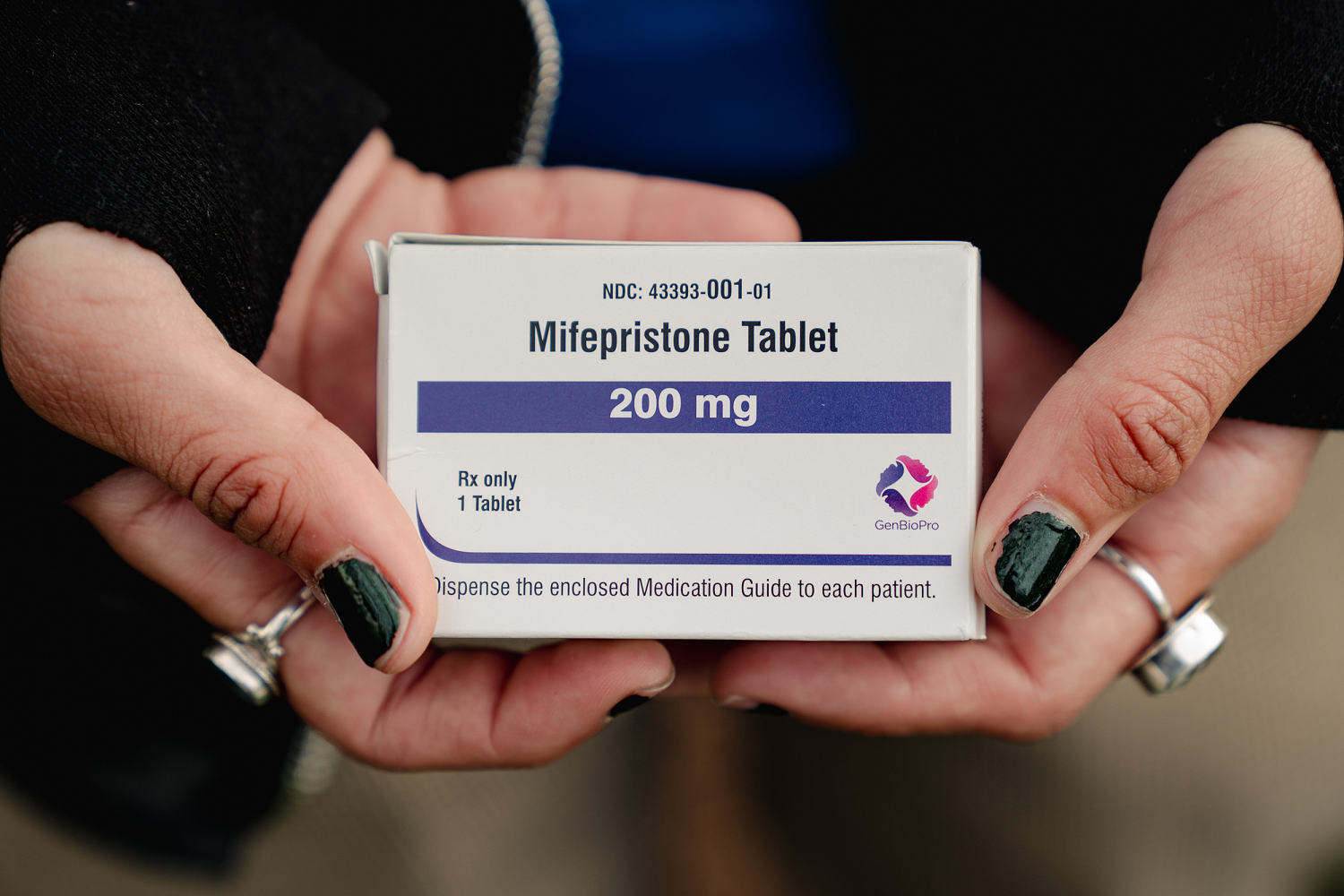
The Supreme Court on Monday extended a temporary hold on a lower court ruling that would have imposed new restrictions on the dispensing of the abortion pill mifepristone, ensuring the medication remains available by mail at least through Thursday. Justice Samuel Alito issued the extension while the full court continues to deliberate on the next steps in the case.
The legal challenge originates from a lawsuit filed by Louisiana against the Food and Drug Administration (FDA). The suit contests the FDA's approval of mifepristone and its later decision to permit the drug to be dispensed via mail and prescribed through telehealth. A federal district judge in Texas had previously issued a ruling that would have suspended the FDA's approval of the drug entirely, but the Supreme Court paused that ruling in 2023. The current case focuses specifically on the mail-order and telehealth access.
NBC News reported that the justices are still considering what actions to take in a case that could block the availability of mifepristone by mail. The Hill stated that abortion pills will remain available through the mail until at least Thursday after Justice Alito extended a temporary pause on a lower court ruling that would have blocked access nationwide. Axios noted that the Supreme Court extended a freeze on new restrictions for dispensing the widely used abortion pill. The Washington Examiner reported that the Supreme Court took action on Monday to preserve online mifepristone abortion pill sales temporarily nationwide as the lawsuit between Louisiana and the FDA continues to work through the courts.
The case is part of a broader legal battle over medication abortion. The FDA first approved mifepristone in 2000, and in recent years it has eased restrictions, allowing the drug to be prescribed via telemedicine and sent by mail. Opponents argue that the FDA's actions violate federal law and endanger women's health, while supporters maintain that the drug is safe and that restrictions limit access to essential healthcare.
The Supreme Court's extension maintains the status quo while the justices review the legal arguments. The court is expected to decide whether to grant a longer stay or to allow the lower court's restrictions to take effect. The outcome could have significant implications for abortion access nationwide, particularly in states where abortion remains legal after the overturning of Roe v. Wade.
Read the original coverage
💬 Comments
📜 Comment Policy