The Supreme Court has rejected the Trump administration’s attempt to implement new restrictions on mail-in voting ahead of the 2026 midterm elections, upholding a lower court injunction. The decision allows states to continue processing mail-in ballots under existing procedures for the upcoming November elections. The USPS plan, stemming from a March executive order, would have required states to submit voter lists and use specific barcodes on ballots, a move critics argued would disenfranchise voters and lacked sufficient time for implementation.
Justice Brett Kavanaugh concurred with the ruling, stating that while the USPS may ultimately have the authority to enact such rules, applying them before the 2026 elections would be arbitrary due to the insufficient time for states to comply. Several Republican state election officials also warned of potential disruptions. Justices Samuel Alito and Clarence Thomas dissented, arguing the Postal Service has broad authority over mail and that the legal challenges were unlikely to succeed.
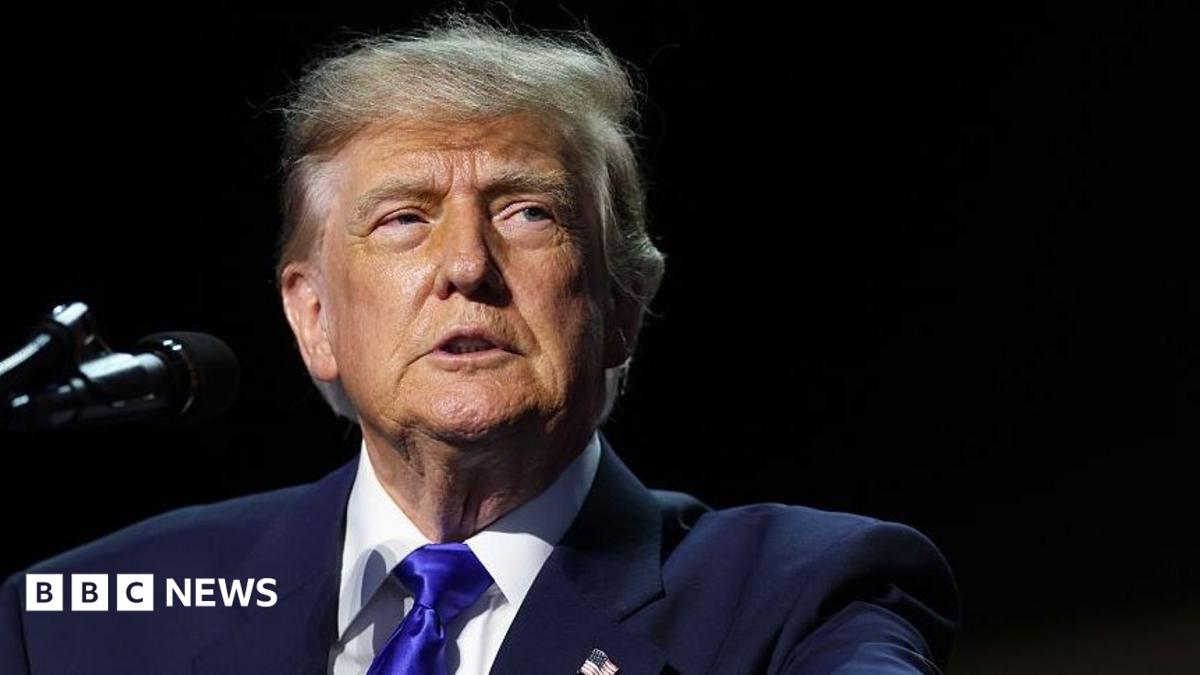
The legal battle began after 23 states and Washington D.C. sued to block the order, citing violations of states’ constitutional rights to run elections and concerns about the feasibility of implementation. A federal judge in Boston initially issued an injunction, which was upheld by the Supreme Court. The decision comes as some states have already begun distributing mail-in ballots, with roughly 30% of voters, primarily Democrats, having cast ballots by mail in the 2022 general election. President Trump, who has repeatedly claimed mail-in voting is prone to fraud despite voting by mail himself, signed the executive order in March.
The court’s decision does not preclude future attempts to implement the rules, leaving the possibility open for the USPS to pursue them in subsequent elections. The League of Women Voters and New York Attorney General Letitia James celebrated the ruling as a victory for voters and election integrity.
Read the original coverage
💬 Comments
📜 Comment Policy