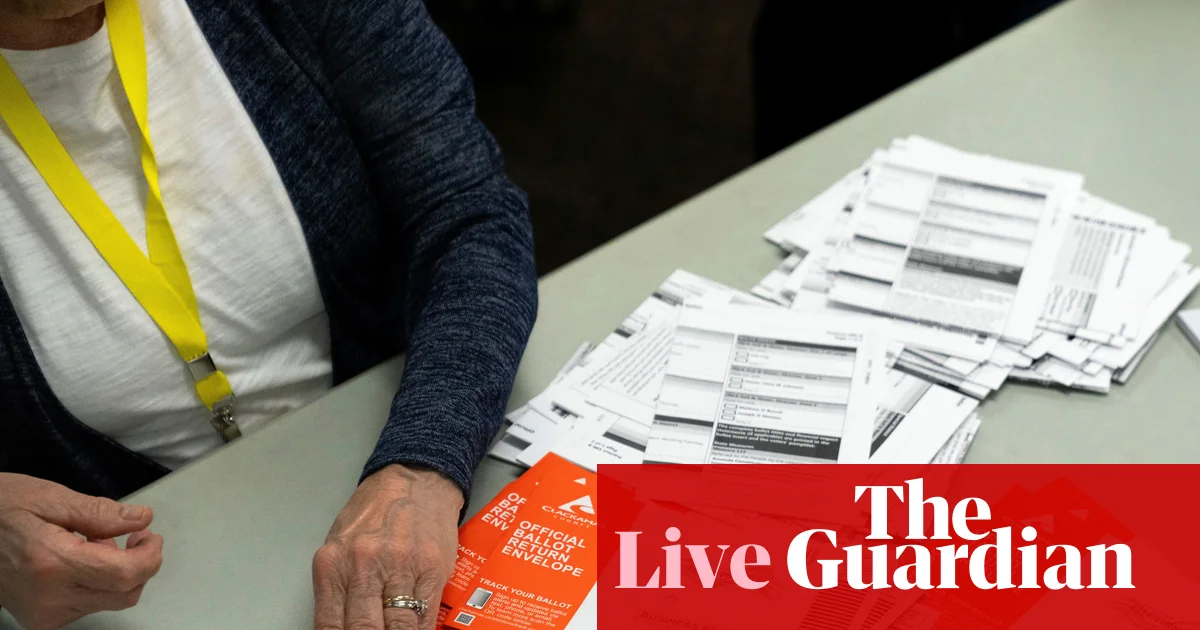
The US Supreme Court has rejected a request from the Trump administration to implement new restrictions on mail-in ballots ahead of the 2026 midterm elections, preserving existing voting procedures. The court found the administration unlikely to succeed in its challenge to a lower court injunction blocking the rules, with Justices Samuel Alito and Clarence Thomas dissenting. The proposed regulations would have required states to submit voter information to the US Postal Service and adhere to specific envelope designs before ballots could be delivered, a move critics argued would disrupt elections and disenfranchise voters. Justice Brett Kavanaugh concurred with the majority, citing the short timeframe before the election as a reason to maintain the status quo, while also suggesting he might side with the administration in a future case. The decision follows a similar ruling by a federal judge who found the USPS exceeded its authority. The administration argued the rules were necessary to prevent voter fraud, a claim unsupported by evidence, while Democratic-led states and voting rights groups contended the changes were an unconstitutional overreach of federal power into state-managed elections.
Several Republican state election officials, including from Utah, warned the court that implementing the rule now would likely cause confusion and errors. The USPS plan would have required states to submit lists of eligible voters and adhere to specific envelope requirements. The court’s decision allows states like Alabama, North Carolina, and Wisconsin, which have already begun sending out mail ballots, to continue doing so under existing procedures. The case originated from an executive order issued by President Trump, who has repeatedly made unsubstantiated claims of widespread fraud in mail-in voting. While the court rejected the administration’s request for a stay, Justice Kavanaugh indicated a potential willingness to revisit the issue later, and Justices Alito and Thomas explicitly disagreed with the majority’s decision.
Our reading is the Supreme Court appears to be applying a strategic pause, prioritizing the avoidance of pre-election disruption over definitively ruling on the legality of the administration’s proposed mail-in ballot rules. The concurring opinion from Justice Kavanaugh suggests the court may be willing to revisit the issue after the election, indicating a potential shift in position. The dissenting votes from Justices Alito and Thomas highlight a clear ideological divide within the court regarding election administration and federal power.
Read the original coverage
💬 Comments
📜 Comment Policy