Study Finds San Andreas Fault Near Critical Stress Levels
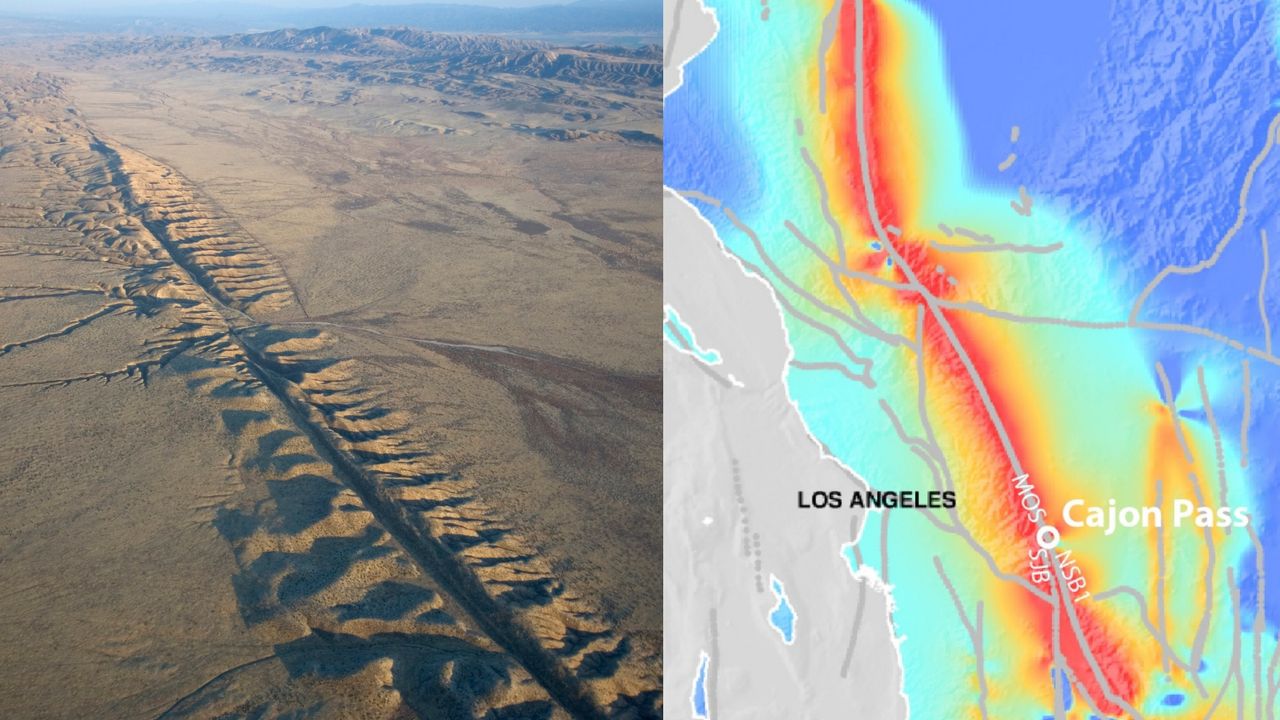
A recent study indicates that the San Andreas fault and a neighboring fault in Southern California have reached their highest levels of tectonic stress in approximately 1,000 years. Researchers warn that the system is critically stressed, suggesting that a rupture at one fault could potentially propagate to the other.
The findings highlight a significant increase in pressure along these geological structures. The proximity of the San Andreas and San Jacinto faults raises concerns about the potential for cascading seismic events. According to the study, the current stress levels are unprecedented in the last millennium, marking a dangerous threshold for the region's tectonic activity.
Experts emphasize that the interaction between these two major fault lines is a key factor in the heightened risk. The possibility of rupture propagation means that an earthquake triggered on one fault could trigger movement on the adjacent San Jacinto fault, amplifying the potential impact. This interconnectedness complicates seismic hazard assessments for Southern California.
The study serves as a critical alert for geologists and emergency planners alike. By identifying the current state of tectonic stress, researchers aim to improve understanding of earthquake mechanics in the region. The data suggests that the geological system is operating near its limits, increasing the likelihood of significant seismic events in the foreseeable future.
While the exact timing of such an event remains unpredictable, the identification of these high-stress levels provides valuable insight into the current geological climate. Authorities and residents are urged to remain vigilant and prepared for potential seismic activity given the findings that the faults are scarily close to a major earthquake.
💬 Comments
📜 Comment Policy