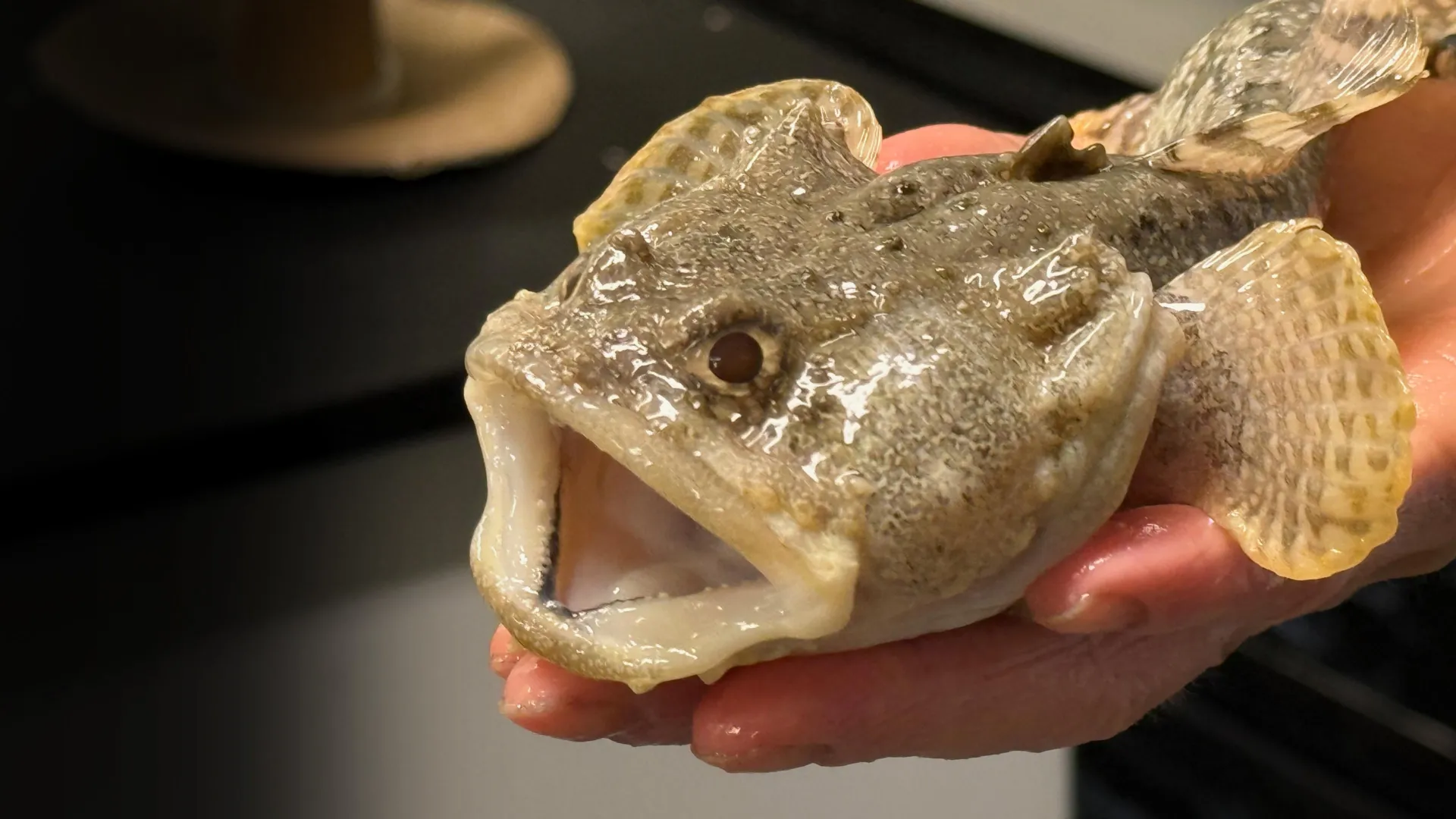
A surprising new discovery suggests that the health of the world’s oceans may depend on tiny microbes living inside fish. Scientists have uncovered evidence that bacteria residing in the guts of marine fish work in tandem with their hosts to produce calcium carbonate. This mineral is essential for ocean health and plays a significant role in carbon storage.
For years, the scientific consensus was that fish managed the production of calcium carbonate on their own. The new findings challenge this understanding, revealing that the process is not carried out by the fish independently. Instead, researchers have identified a hidden partnership between the fish and the microbes inhabiting their digestive systems.
This symbiotic relationship indicates that microbes are actively helping to shape the chemistry of the oceans. By contributing to the production of calcium carbonate, these gut bacteria play a vital part in marine ecosystems. The discovery reshapes the understanding of how marine life contributes to global chemical cycles and emphasizes the importance of microbial life in ocean sustainability.
We don't rate truth. We strip the spin and show you which perspectives covered the story. You decide.
Read the original coverage
💬 Comments
📜 Comment Policy