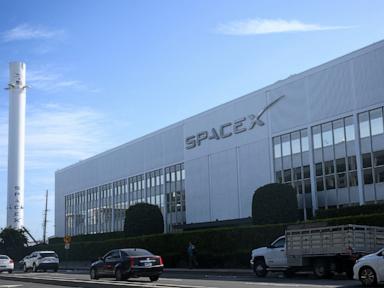
SpaceX reported a 161% increase in revenue over the past quarter, reaching $14.6 billion, driven by growth in its artificial intelligence and connectivity segments. The company, led by Elon Musk, reversed losses from previous quarters, posting a $4.40 billion profit. Its “Super Intelligence” business line generated $7.6 billion in revenue, up 830% year-over-year, fueled by cloud services, the Cursor coding tool, and the Grok chatbot. Starlink, SpaceX’s satellite internet service, contributed $5.2 billion in revenue, with 13.6 million subscribers.
While the AI business saw a $1.26 billion operating loss last quarter, it registered $431 million in income from operations in the most recent quarter. SpaceX is heavily investing in AI infrastructure, including data centers, and plans to spend $35 billion to $40 billion on capital investments in the fourth quarter. Musk is personally involved in the construction of a new data center, Colossus II, in Memphis, Tennessee, stating the primary constraint on AI deployment is power and cooling infrastructure. SpaceX is leveraging its metal casting capabilities to expedite turbine production for data center power.
The company’s space division posted a $7 million loss, but overall revenue growth was boosted by approximately $1 billion from Bitcoin price recovery and related-party income. SpaceX also aims to recover both stages of its Starship rocket during the next test flight in November, a milestone for future Starlink satellite deployments and orbital data centers. Musk has discussed a potential merger between SpaceX and Tesla. He also announced plans to distribute one share of SpaceX stock to every child in the United States next year.
TechCrunch reported that AI now makes up 52% of SpaceX’s income, while The Verge noted the company’s connectivity business reached 13.6 million subscribers.
Our reading is that SpaceX is experiencing a significant shift in its revenue streams, with AI now representing a majority of its income. This is allowing the company to reverse previous losses and invest heavily in future growth, particularly in data infrastructure. While the space division is currently operating at a loss, the overall financial picture is dramatically improved by the success of the AI and connectivity businesses, suggesting a strategic pivot for the company.
Read the original coverage
💬 Comments
📜 Comment Policy