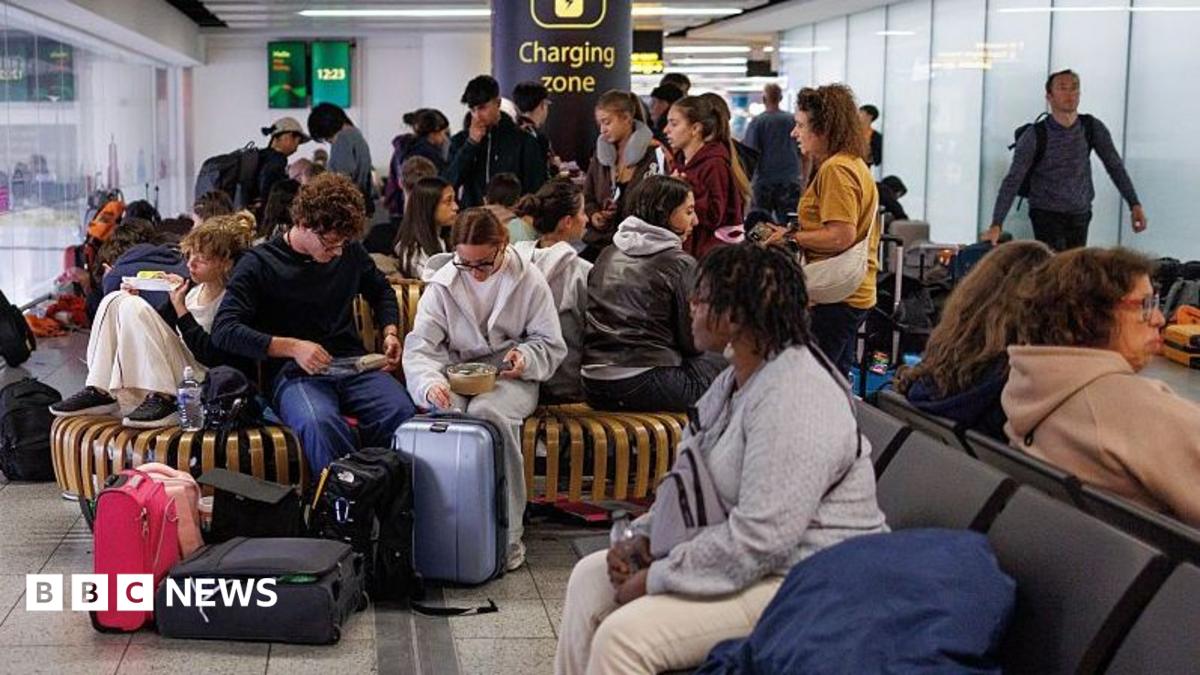
A software defect within the UK’s air traffic control system corrupted flight data “in the space of a millisecond” on September 8th, leading to the cancellation of over 2,000 flights and widespread disruption for hundreds of thousands of passengers. National Air Traffic Services (Nats) identified the issue as a defect in the National Airspace System, which assigns identification codes to aircraft. The problem first occurred at 10:00 am, with engineers initially reporting a recovery at 10:06 am, but re-emerged at 12:32 pm, prompting a major incident declaration and ultimately leading to airspace restrictions lasting until 7:30 pm.
The defect occurred while processing a manual request for an aircraft code alongside a paused request, corrupting subsequent flight data updates. Nats chief executive Martin Rolfe apologized for the disruption but emphasized that safety was not compromised. The incident prompted criticism from Transport Secretary Heidi Alexander, who called the disruption “completely unacceptable” and announced a Civil Aviation Authority review. Airlines UK is demanding compensation from Nats for incurred costs, and Ryanair has called for Rolfe’s dismissal, citing this as the third major air traffic control failure in the UK since summer 2023.
While Nats maintains this incident is unrelated to previous outages, the disruption took days to resolve due to displaced aircraft and crew. The Guardian and BBC reported the error first surfaced at 10:00 am and wasn’t fully addressed until 7:30 pm, while GB News focused on the fact that the investigation concluded the disruption was not caused by any incorrect actions by operators. Left-leaning outlets emphasized passenger frustration and the unlikelihood of receiving compensation due to the regulator deeming the situation “extraordinary circumstances,” while right-leaning coverage highlighted Nats’ assertion that the issue was isolated and not connected to prior failures. The system restart did not begin until after 3:15 pm.
The long-term impact of the incident, and whether Nats’ systems are adequately resilient to prevent future disruptions, remains to be seen.
Our reading is that the incident reveals a vulnerability in the UK’s air traffic control infrastructure, despite assurances from Nats regarding safety. The differing media coverage, focusing either on the technical cause or the passenger impact, highlights the competing priorities in reporting on such events. The fact that this is the third such failure since summer 2023, as reported by Ryanair, suggests a potential systemic issue that requires further investigation.
Read the original coverage
💬 Comments
📜 Comment Policy