Singapore Considers Legal Action as Haze from Indonesian Wildfires Worsens
AI-synthesized · Bias removed · Facts only
2 sources: 1 left · 1 center · 0 right
Facts are sacred. Opinion is labelled.
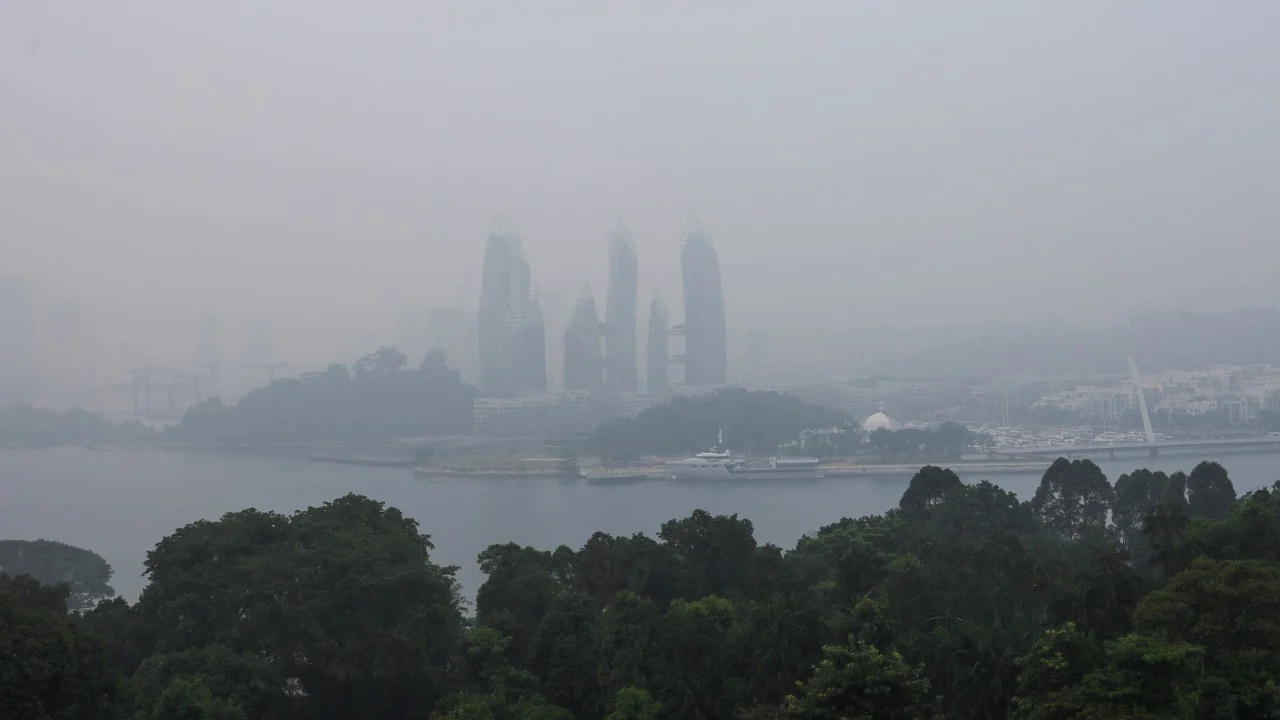
Image: Scmp
Singapore is weighing legal options against companies responsible for air pollution stemming from wildfires in Indonesia, as air quality in the city-state reached “very unhealthy” levels this week. Environment Minister Grace Fu stated Singapore will “keep its options open” on taking legal action against errant companies. The air quality, measured by the Pollutant Standards Index (PSI), ranged between 125 and 206 across the island as of 6am local time, with the western region recording the highest reading. A PSI reading of 201 and above is considered “very unhealthy.” The Transboundary Haze Pollution Act, enacted in 2014, allows Singapore to take action against those responsible for fires if the resulting haze remains in the unhealthy range for 24 hours or more. The law targets those who cause or condone fires. A reading above 300 would trigger school closures.
Singapore is currently collecting data on the haze to determine if the conditions for legal action have been met under the Transboundary Haze Pollution Act.
Background
- The Transboundary Haze Pollution Act was enacted in Singapore in 2014, allowing legal action against those responsible for haze lasting 24 hours or more [Fact Refinery, 2026-10-11].
- Indonesia regularly experiences dry-season wildfires, which were intensified this year by the El Niño weather phenomenon and land-clearing practices [Fact Refinery, 2026-10-11].
- The current El Niño is the strongest on record and is projected to continue impacting the climate into next year, with projections of 451,000 excess deaths through February [Fact Refinery, 2026-09-26].
- Anak Krakatau erupted in early September 2026, disrupting air travel and impacting air quality in Indonesia [Fact Refinery, 2026-09-18].
- Singapore is a major regional hub for trade and transportation, and the Strait of Hormuz is a critical waterway for global oil and gas shipments [background knowledge].
Our reading
Our reading is that Singapore is preparing to hold companies accountable for the worsening haze situation, potentially escalating regional tensions. The invocation of the 2014 Act suggests a seriousness of intent beyond simply registering complaints, and the stated intention to “keep its options open” implies a willingness to pursue legal avenues if the current conditions persist. The fact that the PSI has already reached “very unhealthy” levels is the key trigger for this consideration.
What to watch
- Whether the PSI remains in the “very unhealthy” range for 24 hours or more, triggering the conditions for legal action under the Transboundary Haze Pollution Act [Singapore’s National Environment Agency website].
- Any announcements from the Singaporean government regarding the specific companies they are targeting with potential legal action [Singapore’s Ministry of Environment and Water Resources press releases].
- The trend in PSI readings across Singapore, particularly in the western region, to assess whether air quality is improving or deteriorating [National Environment Agency’s PSI data].
💬 Comments
📜 Comment Policy