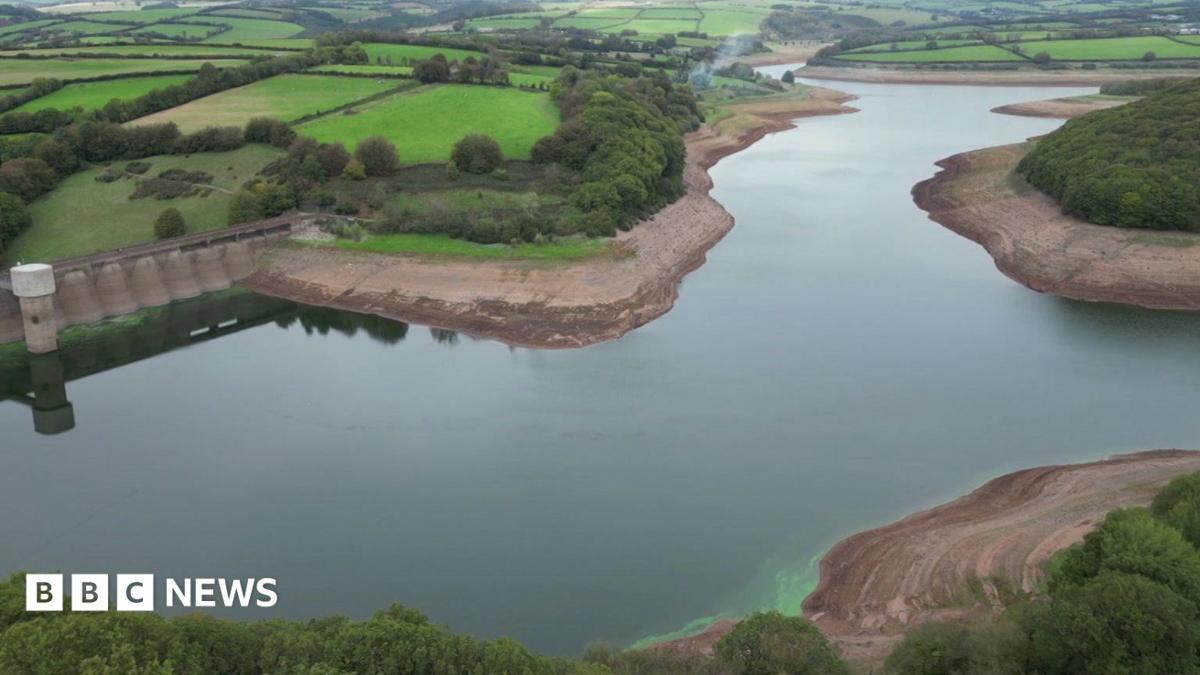
Severe drought has been declared across parts of southern England, Cornwall, Devon, Dorset, Somerset, East Sussex and West Sussex, following months of low rainfall and a record-breaking hot summer. The Environment Agency declared the drought after a meeting of the National Drought Group, citing impacts to water supplies due to high demand. The government stated customer water supplies will be uninterrupted and has instructed water companies to increase monitoring of reservoir and river levels, as well as water quality. Specific concerns center on the Ardingly reservoir in West Sussex and Wimbleball reservoir in Somerset, which serves approximately 300,000 properties.
The declaration follows the driest April to September period in over a century for the South East and South West, impacting reservoir levels. The Environment Agency notes that severe drought is the most critical stage of dry conditions and can have lasting effects on the environment, farming, communities, and the economy, leading to water shortages and disruption to daily life. Water companies are expected to follow pre-existing drought plans, potentially including restrictions on water use such as hosepipe bans or reduced water pressure. They may also seek permits to extract more water from rivers or restrict usage by other parties, like farmers.
Environment Agency chief executive Philip Duffy stated, “Record-breaking summer heat and severe drought have put our water resources under immense pressure. Recovery depends on both rainfall and how much water we use. We cannot change the weather, but water companies can act now.” Millions of Britons are already subject to hosepipe bans, and one Oxfordshire village recently relied on tankers and bottled water after running out of supply.
Our reading is that the declaration of a severe drought in parts of southern England reflects a compounding of environmental pressures. The article highlights a specific, localized crisis, water shortages, but implicitly connects it to broader trends of extreme weather, as evidenced by the recent record-breaking heat and low rainfall. The emphasis on water company monitoring and potential restrictions suggests an expectation of continued strain on resources and a proactive, if limited, response from authorities.
Read the original coverage
💬 Comments
📜 Comment Policy