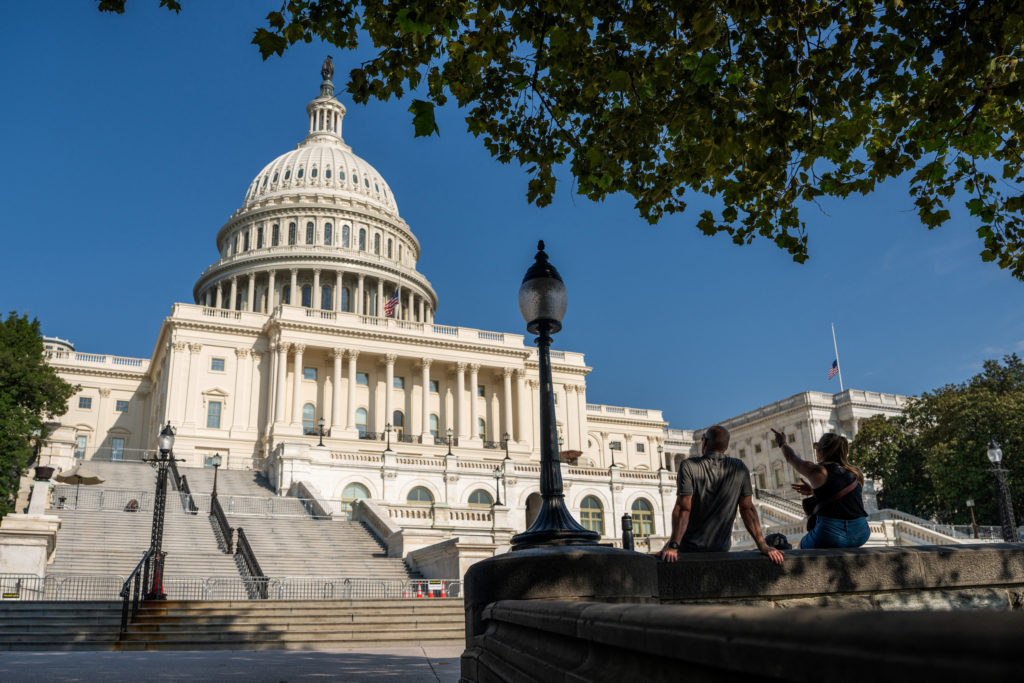
The Senate is set to vote Thursday on a war powers resolution seeking to halt President Donald Trump’s military action in Iran, as concerns grow over the conflict’s impact on rising fuel prices and its potential effect on the upcoming midterm elections. Increasingly anxious senators are pushing for a check on presidential authority, with some Republicans breaking from the president in a rare rebuke as they campaign for control of Congress. The resolution comes as gas prices have spiked, and has become a central point of contention in the midterm elections.
Sources consistently report that the vote is scheduled for Thursday, and that rising gas prices are a key factor driving the push for the resolution. The timing of the vote is also linked to the midterm elections, with senators seeking to address voter concerns about the war and its economic consequences. While the sources agree on these core facts, they emphasize different aspects of the situation.
Left-leaning coverage, as seen in PBS NewsHour, highlights the fracturing within the Republican party, noting that “more Republicans are peeling away from the president.” Right-leaning outlets, such as the Washington Times, focus on the anxiety surrounding the war and its impact on fuel prices, framing it as a major flashpoint in the midterm elections. Not in dispute is that the resolution seeks to limit the president’s military authority regarding Iran.
The long-term consequences of the resolution, should it pass, remain uncertain. The outcome of the vote could also have a substantial impact on the midterm elections, potentially shifting the balance of power in Congress.
Our reading is that the Senate vote on the war powers resolution is not solely about foreign policy, but is significantly entangled with domestic political concerns. The article clearly states the resolution is being pushed forward due to rising gas prices and its potential impact on the upcoming midterm elections, suggesting senators are responding to voter anxieties as much as, if not more than, concerns about presidential authority. The differing emphasis in coverage, fracturing within the Republican party versus economic anxiety, further underscores the multi-layered nature of this issue.
Read the original coverage
💬 Comments
📜 Comment Policy