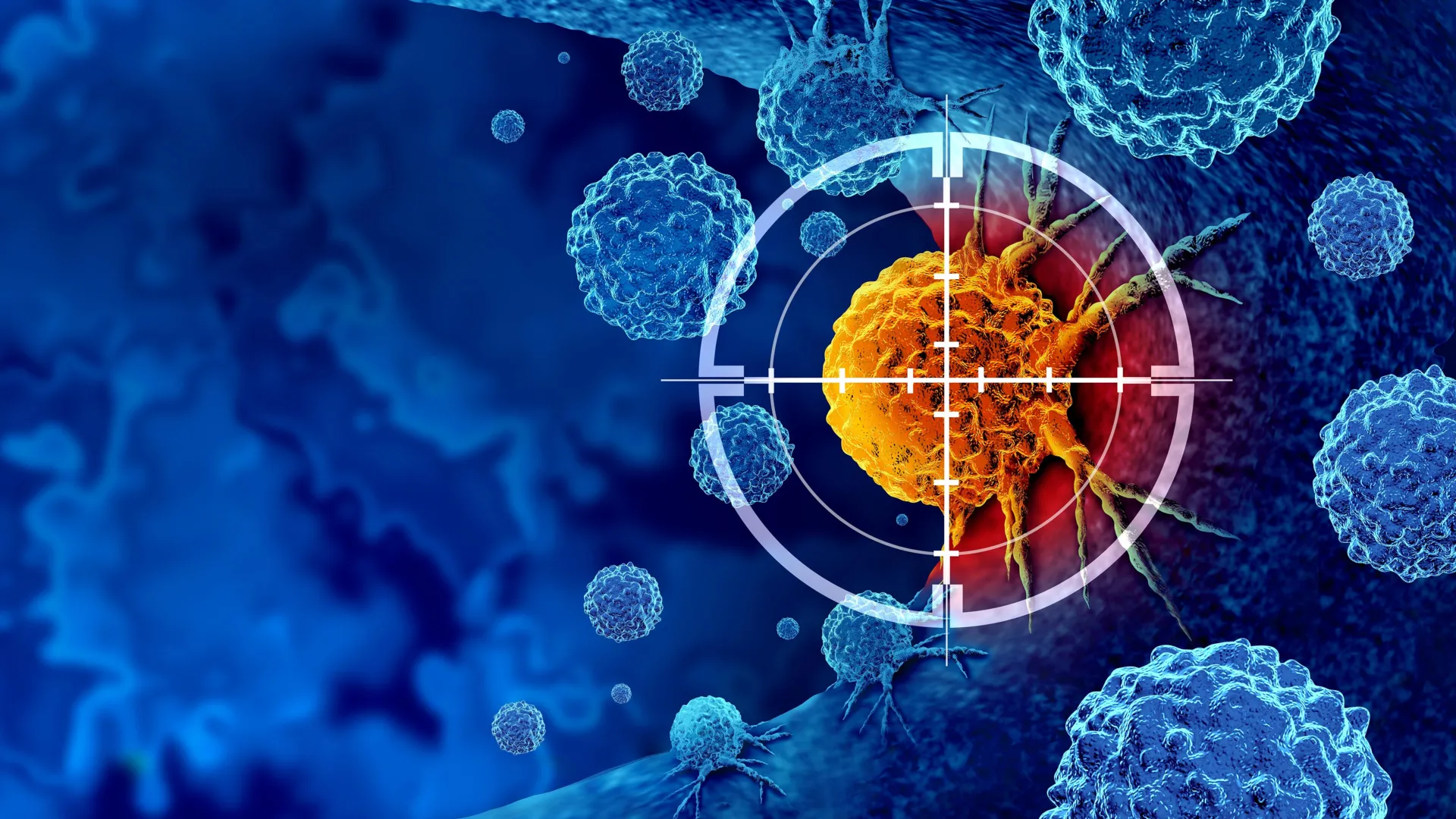
Scientists have uncovered a surprising new way the immune system fights cancer, overturning a core belief that has guided immunology for decades. The research highlights a significant shift in understanding how the body responds to tumors that attempt to hide from immune surveillance. This discovery focuses on the interaction between cancer cells and specific immune cells.
The study explains that cancer cells frequently shut down a key immune-recognition molecule called MHC I. This action is a common trick used by the disease to hide from “killer” T cells, which are typically responsible for identifying and destroying infected or cancerous cells. By disabling MHC I, cancer cells have long been thought to escape immune detection effectively.
However, the new findings demonstrate that this escape mechanism has a flaw. When cancer cells shut down the MHC I molecule, they become more vulnerable to attack by a different group of immune cells known as CD4+ “helper” T cells. This indicates that while the cancer attempts to hide from “killer” T cells, it inadvertently opens itself up to destruction by “helper” T cells. The research suggests that cancer's favorite escape trick may actually make it easier to kill, providing a new perspective on the immune system's capability to fight the disease even when primary recognition molecules are absent.
We don't rate truth. We strip the spin and show you which perspectives covered the story. You decide.
Read the original coverage
💬 Comments
📜 Comment Policy