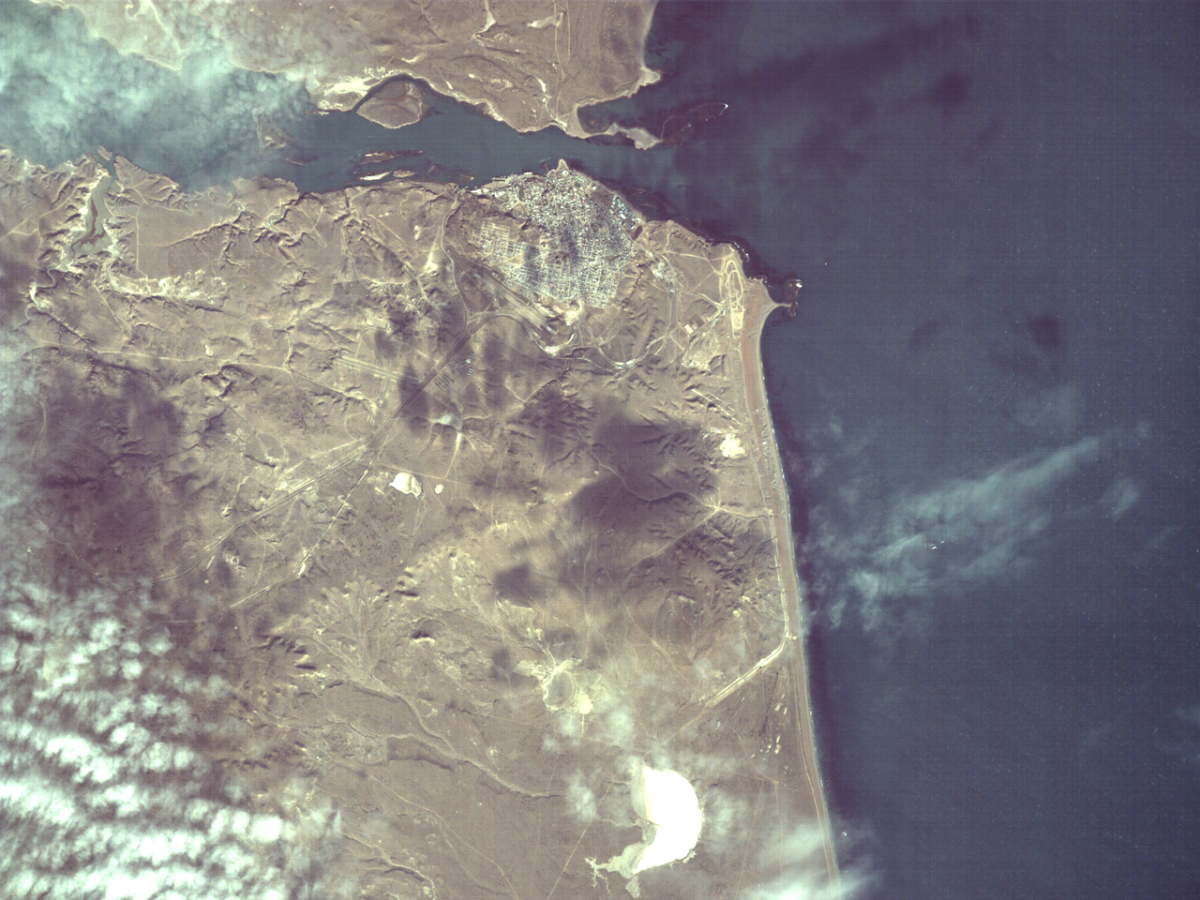
In a significant milestone for space technology, an Earth observation satellite has successfully identified its target without human intervention. According to reports from TechCrunch, this event occurred in April and marks the first time ever that such a feat has been accomplished by a satellite operating independently.
This achievement highlights rapid advancements in artificial intelligence and autonomous systems within the aerospace sector. The ability of a satellite to process data and locate specific objects on its own represents a shift from passive observation to active, intelligent monitoring. This capability reduces the latency associated with ground-based command structures, allowing for faster response times in critical scenarios.
The implications of this technology are far-reaching. For environmental monitoring, it could mean real-time detection of illegal deforestation or oil spills. In disaster response, satellites could autonomously locate survivors or assess damage immediately after an event, rather than waiting for manual analysis. Military and security applications may also benefit from enhanced surveillance capabilities that do not rely on continuous human oversight.
While the specific technical details of the satellite's hardware and software architecture were not fully elaborated in the initial summary, the core fact remains: autonomous target finding is no longer theoretical. It has been executed successfully in orbit. This breakthrough suggests that future generations of Earth observation assets will be increasingly self-sufficient, capable of making complex decisions based on real-time data streams.
Experts note that this development raises important questions about the governance and regulation of autonomous systems in space. As satellites become more intelligent, the need for clear protocols regarding their operation and decision-making processes becomes critical. However, the immediate focus remains on the technical success itself. The April event serves as proof of concept for a new era of satellite operations.
The industry is now likely to accelerate research into similar autonomous capabilities across other domains of space exploration. If Earth observation satellites can find things on their own, it sets a precedent for probes exploring distant planets or asteroids to navigate and investigate targets independently. This April milestone is not just a singular achievement but a foundational step toward more intelligent and responsive space infrastructure.
We don't rate truth. We strip the spin and show you which perspectives covered the story. You decide.
Read the original coverage
💬 Comments
📜 Comment Policy