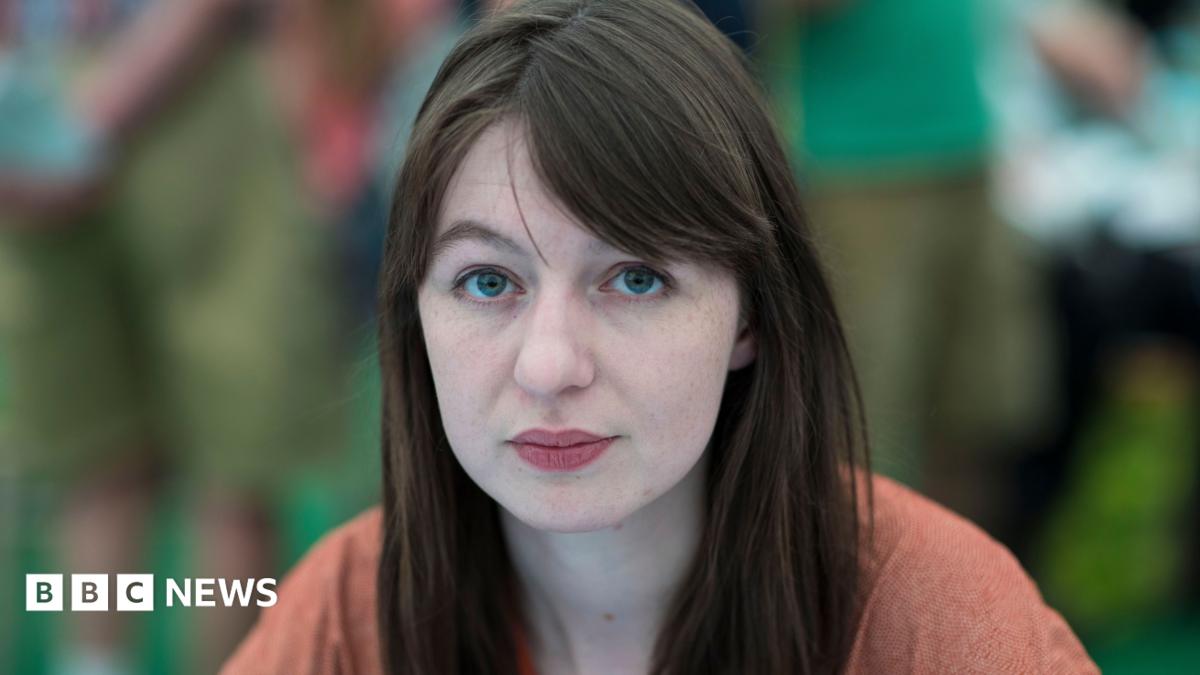
Irish author Sally Rooney’s books are no longer being supplied to UK booksellers due to her public support for Palestine Action, a group proscribed as a terrorist organization by the UK government in July 2025. Publisher Faber stated it can no longer pass on earnings from UK sales to Rooney, deeming it “unconscionable” to sell work without compensating the author. Rooney, who has sold over six million books globally, including 2.3 million in the UK, said she anticipated this outcome after publicly stating her intention to continue financially supporting Palestine Action despite the UK ban, and cancelled a UK trip fearing arrest.
The UK government proscribed Palestine Action citing a “long history” of criminal damage targeting companies linked to Israel’s war in Gaza. The group’s activities have led to over 3,000 arrests since the ban, with over 1,200 charged under the Terrorism Act, though no convictions have yet been secured. Lawyers for Palestine Action are appealing the ban in the UK Supreme Court, with all related cases currently paused pending the ruling. Civil liberties groups argue the ban infringes upon rights to protest and free speech.
Rooney stated she would continue to use royalties and TV fees to support Palestine Action, even if it constituted a crime under UK law. Faber confirmed the decision to cease supplying her books in the UK was made in full agreement with Rooney. Ebook editions have been removed from sale, though physical copies remain on shelves in some bookstores. Rooney’s novels include *Normal People*, *Conversations with Friends*, *Beautiful World, Where Are You*, and *Intermezzo*.
Our reading is that this situation represents a direct conflict between artistic freedom and the legal consequences of supporting a group designated as terrorist by the UK government. The publisher’s decision, made in agreement with the author, highlights the practical difficulties of continuing a commercial relationship when financial transactions are deemed “unconscionable” due to the author’s stated intentions. The differing emphasis in media coverage suggests a sensitivity around the comparison of Palestine Action to other proscribed groups.
Read the original coverage
💬 Comments
📜 Comment Policy