Researchers have discovered the remains of a Roman camp in the Pyrenees mountains of Catalonia, Spain, dating back to 39 B.C. The site reveals details about an ambush carried out by local populations against the Roman army.
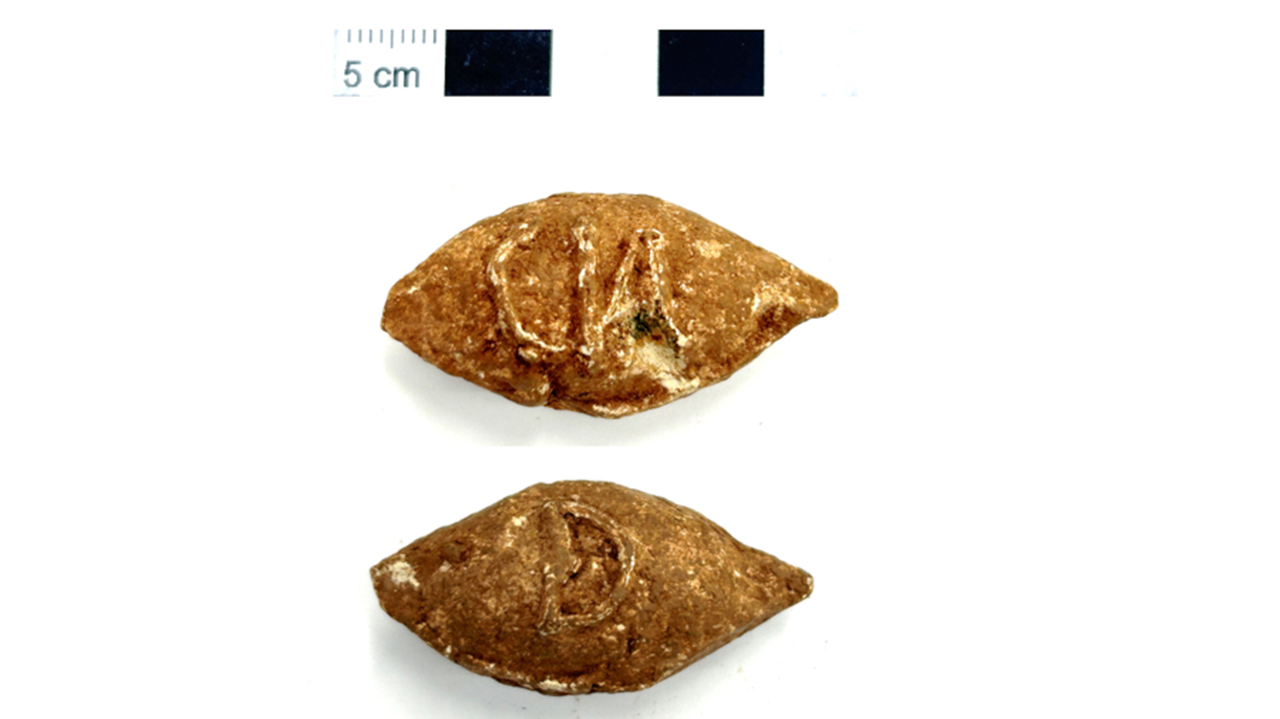
The discovery centers around numerous lead bullets – sling projectiles used by both Romans and their attackers. These artifacts helped pinpoint the location of a previously unknown Roman camp. Researchers believe this camp was part of a larger campaign led by Roman general Gnaeus Pompeius Magnus during his conflict with Sertorius, a rebel who controlled parts of Spain.
The camp’s location in the Pyrenees suggests it served as a temporary base for Roman forces attempting to control the region and cut off supply lines. However, the presence of numerous bullets indicates that the Romans were ambushed by locals while stationed there.
The findings offer insight into the military strategies employed during this period and highlight the challenges faced by Roman armies operating in unfamiliar and hostile territories. The discovery underscores how archaeological evidence, even seemingly small artifacts like sling bullets, can reveal crucial information about historical events.
We don't rate truth. We strip the spin and show you which perspectives covered the story. You decide.
Read the original coverage
💬 Comments
📜 Comment Policy