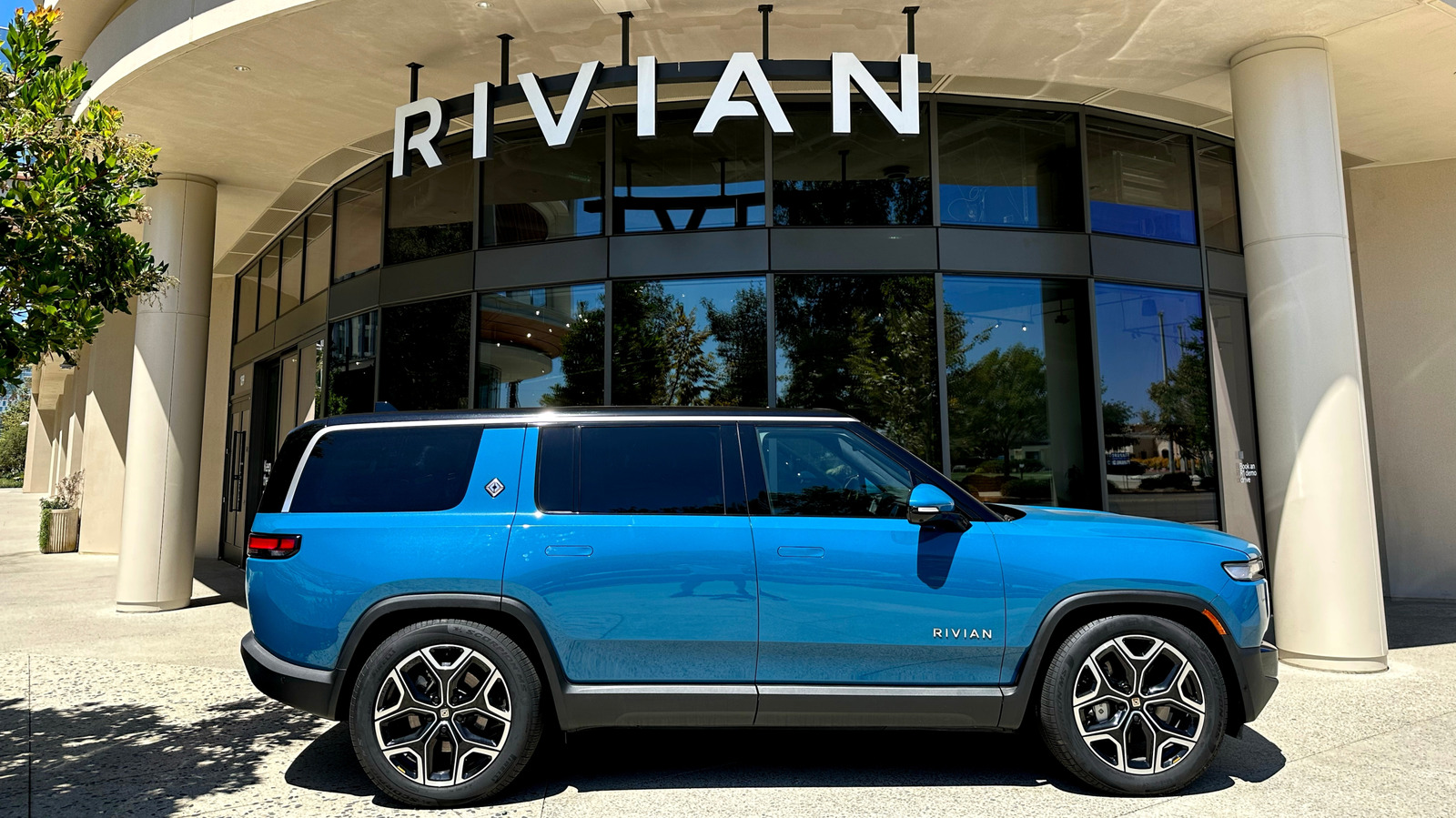
A class-action lawsuit has been filed against Rivian, the electric vehicle manufacturer, alleging that the company made false promises regarding the self-driving capabilities of its first-generation vehicles. The complaint asserts that Rivian misled consumers by promising hands-free driving features that were never delivered for the R1T pickup truck and R1S SUV.
The plaintiffs in the legal action claim that Rivian engaged in a prolonged pattern of marketing and public statements suggesting that its advanced driver-assistance systems would eventually allow for fully hands-free operation on first-generation models. According to the lawsuit, these representations were made over several years, leading customers to purchase vehicles under the impression that they were acquiring technology capable of autonomous driving features without human intervention.
The core of the legal dispute centers on the gap between Rivian's marketing claims and the actual functionality of its vehicles at the time of sale. The plaintiffs argue that the company’s promotional materials and executive communications created a reasonable expectation among buyers that hands-free driving would be available for their specific vehicle models. However, the lawsuit contends that this feature was never implemented for first-generation R1 vehicles, despite the assurances provided to consumers.
This legal challenge highlights ongoing scrutiny within the automotive industry regarding the marketing of driver-assistance technologies. As electric vehicle manufacturers compete for market share, many have utilized advanced technology features as key selling points. The Rivian case specifically focuses on whether the company’s specific promises constituted a breach of contract or deceptive trade practices by failing to deliver the advertised capabilities.
The lawsuit seeks to hold Rivian accountable for what it describes as a systematic misrepresentation of its product's abilities. By filing a class-action complaint, the plaintiffs are attempting to represent a group of consumers who purchased first-generation R1 vehicles based on these alleged false promises. The legal team argues that the disparity between the advertised hands-free driving potential and the actual limitations of the vehicle constitutes a significant consumer protection issue.
Rivian’s response to the allegations has not been detailed in the initial reports of the lawsuit, but the filing marks a significant legal hurdle for the automaker. The case underscores the challenges companies face when marketing future technology capabilities that may depend on software updates or hardware revisions not yet available at the time of sale.
The outcome of this litigation could have broader implications for how electric vehicle manufacturers market autonomous driving features. If the plaintiffs succeed, it may set a precedent regarding the specificity required in advertising driver-assistance technologies. Conversely, if Rivian defends itself successfully, it may clarify the boundaries between marketing aspirations and contractual obligations in the EV sector.
As the legal process unfolds, attention will focus on the evidence presented regarding what was promised to consumers versus what was technically feasible for first-generation R1 vehicles. The case remains active, with no final judgment or settlement reported at this time.
Read the original coverage
💬 Comments
📜 Comment Policy