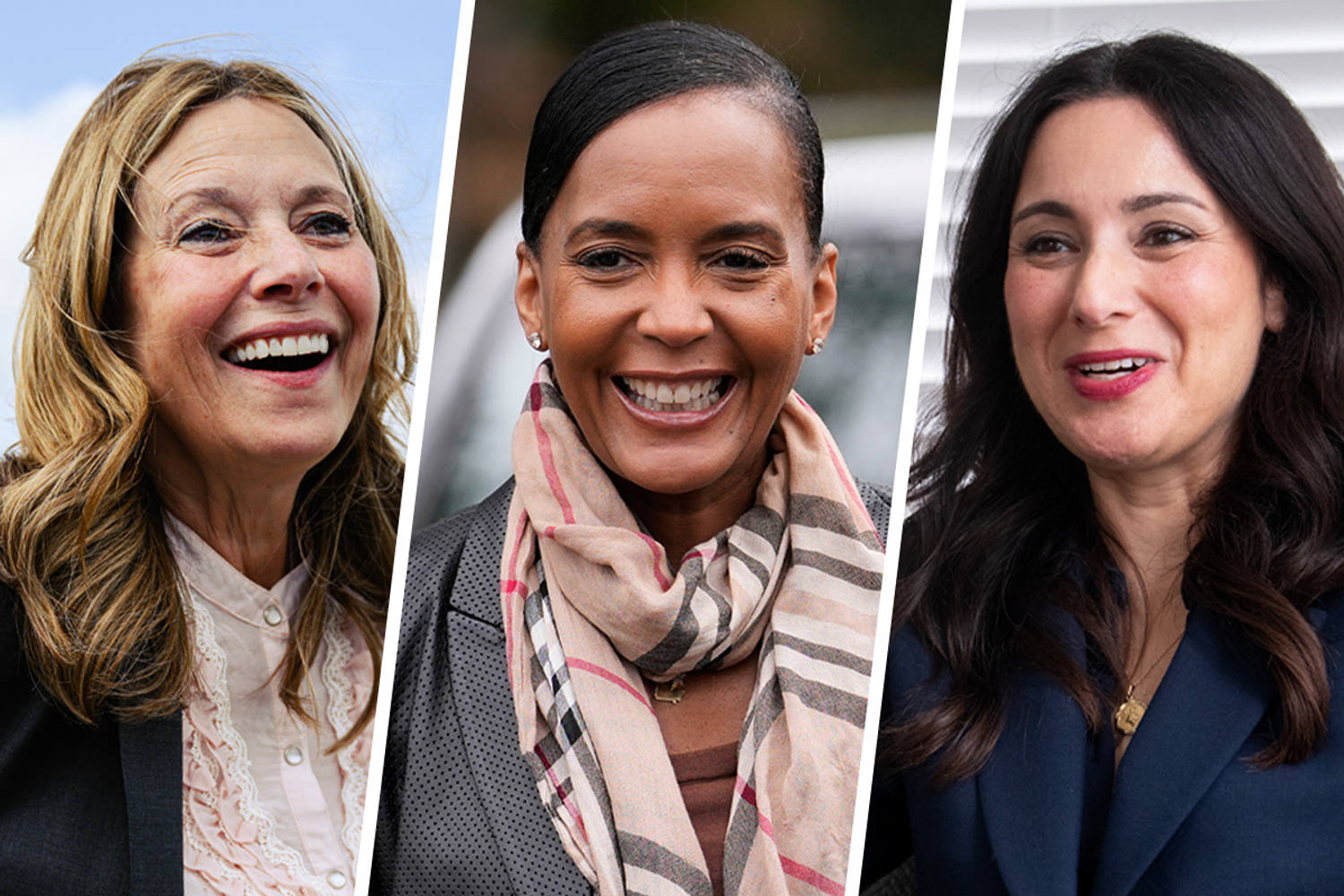
A record 17 women are projected to serve as governors following Tuesday’s elections, as Democrats made gains in statehouses across the country. With some races still uncalled, at least 10 Democratic women and three Republican women, Sarah Huckabee Sanders of Arkansas, Kelly Ayotte of New Hampshire, and Marsha Blackburn of Tennessee, were projected to win their contests. Keisha Lance Bottoms of Georgia made history as the first Black female governor in U.S. history, while several other Democratic women, including Amy Acton in Ohio and Gina Hinojosa in Texas, secured victories in unexpectedly competitive races. In Maine, Hannah Pingree was projected to win, continuing female leadership after Janet Mills’ two terms, and in Michigan, Jocelyn Benson was projected to succeed Gretchen Whitmer. Maura Healey, Kathy Hochul, and Katie Hobbs were re-elected in Massachusetts, New York, and Arizona, respectively. One race in Oregon remained uncalled, but also featured two female major-party nominees. The previous record for female governors serving simultaneously was 14.
Bottoms, in her victory speech, quoted the 1971 song “If I Were Your Woman,” stating, “Georgia, I have said over the past few days: If I were your woman… Well, now I am your woman, and here is what I will do: I will never, ever, ever stop loving you. Thank you, Georgia, for electing me as your governor.” Hinojosa, celebrating her win in Texas, said, “I am a daughter of the Rio Grande Valley, where the people embody the work ethic and values of our great state, where no one would have imagined that one day, a little girl from the RGV would stand before you here as the next governor of the greatest state, Texas. But God had a plan, and the people of Texas had a plan, too.”
Our reading is that the election results represent a significant breakthrough for women in American politics, with a record number achieving gubernatorial positions. The article highlights not only the sheer number of female winners, but also the historic nature of Keisha Lance Bottoms’ victory and the unexpected competitiveness of several races won by Democratic women. This suggests a potential shift in voter preferences or a successful mobilization of support for female candidates.
Read the original coverage
💬 Comments
📜 Comment Policy