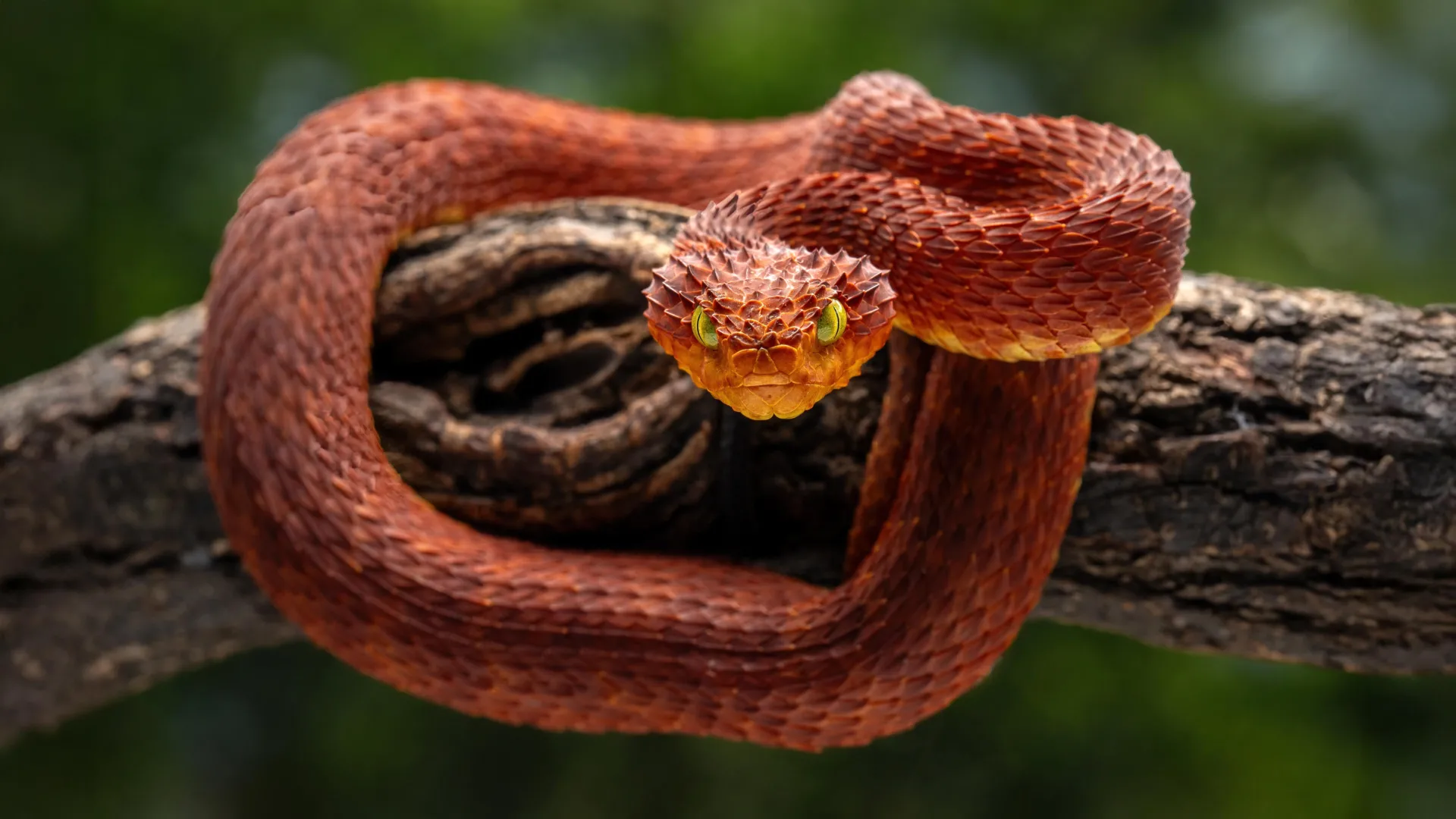
University of Maryland researchers have discovered a new antivenom derived from proteins in rattlesnake blood that is approximately ten times more effective than current treatments in laboratory tests. The discovery leverages the natural defenses western diamondback rattlesnakes evolved to resist their own venom.
The research, led by Distinguished University Professor of Biology Sean B. Carroll and published in the *Proceedings of the National Academy of Sciences*, identified combinations of toxin-blocking proteins found in rattlesnake blood that powerfully neutralize venom from multiple dangerous snake species. Existing antivenoms are created by exposing animals to venom and collecting their antibodies, a process that is costly, can have variable quality, and may not be effective against all venom types. They can also cause immune reactions.
Carroll explained the team’s approach, stating, “This is one of those great stories when nature has already solved a problem we've been grappling with for decades.” The team built on a 2022 discovery of a protein called FETUA-3, which blocks venom activity. Researchers had long observed that vipers exhibit resistance to their own venom, but the mechanism remained unknown until recently.
Snakebite is a significant global health issue, causing an estimated 80,000 to 140,000 deaths annually, with hundreds of thousands more suffering permanent disabilities, often in rural areas with limited access to antivenom. The findings offer a promising path toward developing more effective and accessible treatments for these deadly bites.
Read the original coverage
💬 Comments
📜 Comment Policy