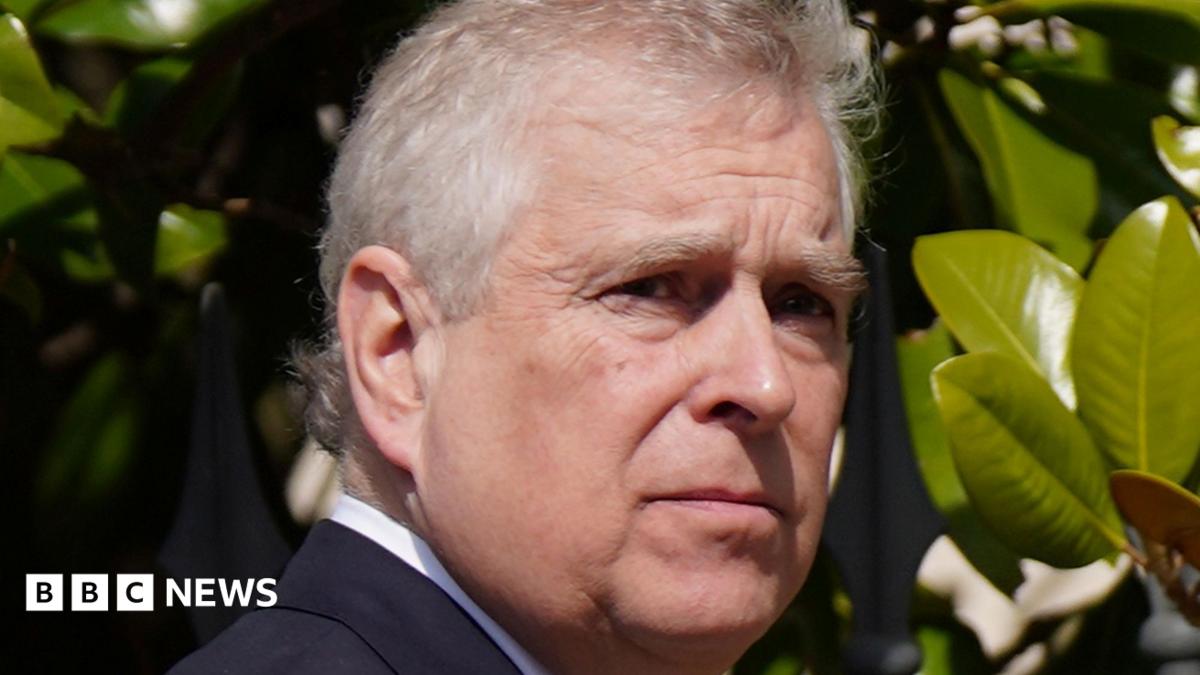
Prince Andrew, Duke of York, has been served with a summons compelling him to give evidence in a fraud trial at the High Court in December. The case centers on allegations that Nebahat Isbilen, a Turkish woman, was defrauded by her former financial advisor, Selman Turk, who is accused of misusing her wealth. Isbilen alleges she was misled into paying £750,000 to Mountbatten-Windsor, believing it was for assistance with a passport, a claim Turk denies, stating the payment was a gift intended to foster goodwill. Court documents reveal a further £768,000 was transferred from Isbilen’s account in January 2020.
The witness summons, an unusual step for a royal since the 19th century, requires Mountbatten-Windsor to appear in court around December 15, either in person or via video link. He is not accused of wrongdoing but was a recipient of some of the disputed funds. The summons was issued this week after a judge granted permission last month. Isbilen’s lawyers contacted Mountbatten-Windsor in 2021, and the money was subsequently returned, but the trial will focus on Turk’s alleged behavior.
The timing of the £750,000 transfer occurred the day after Mountbatten-Windsor recorded a BBC Newsnight interview in 2019, shortly before stepping down from royal duties. This case marks the first public questioning Mountbatten-Windsor has faced since that interview, and is expected to draw significant media attention. The trial is set to begin in mid-November.
Our reading is that Prince Andrew’s summons to testify represents a significant escalation of scrutiny surrounding his financial dealings. While he is not accused of wrongdoing, the fact that he received funds from a potentially fraudulent scheme, and that a court deems his testimony necessary, suggests a deepening legal and public interest in his affairs. The timing, following a period of reduced public appearances and a financial settlement from his brother, underscores the ongoing repercussions of past controversies.
Read the original coverage
💬 Comments
📜 Comment Policy