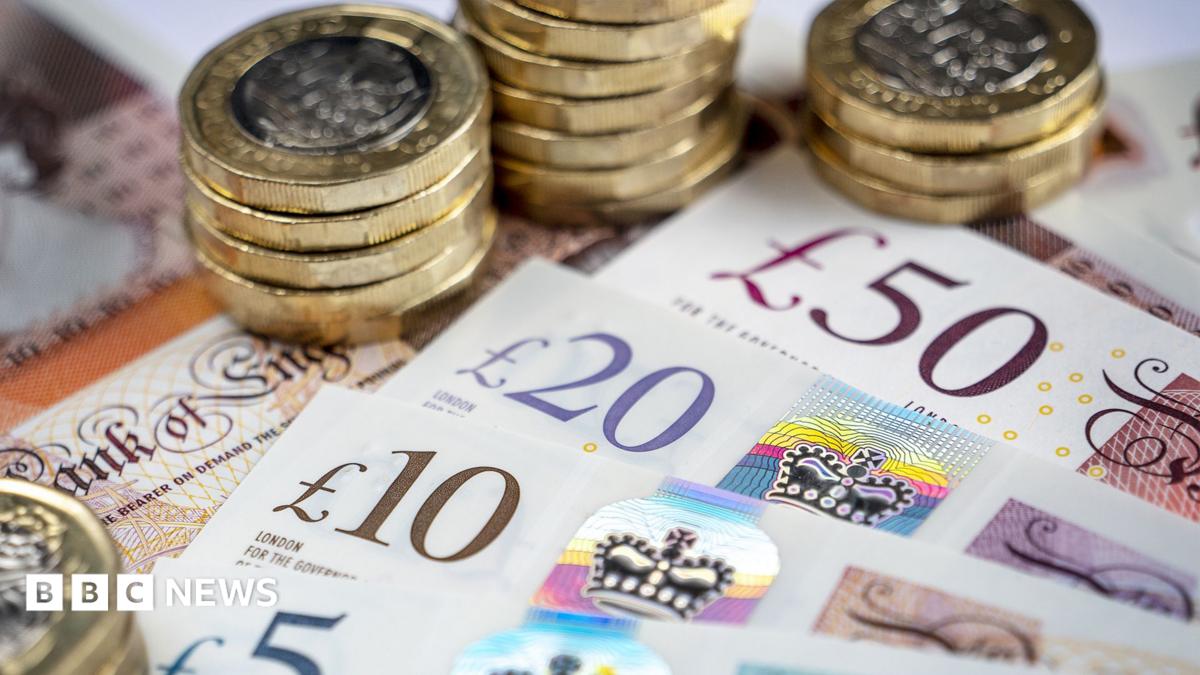
The pound has reached its highest level against a basket of major currencies since the Brexit referendum in June 2016, hitting 86.4 on the Bank of England’s index, where 100 equals its value in 2005. The rise comes ahead of an expected increase in interest rates by the Bank of England’s Monetary Policy Committee on Thursday. Sterling has strengthened notably in recent weeks against both the euro and the dollar, driven by expectations of tighter monetary policy and a perception of improving economic momentum in the UK.
The pound was up 0.13% against the dollar at $1.3495 and 0.16% lower against the euro at €1.1979 as of 04:15 GMT on Thursday. A stronger pound could help curb inflation and increase purchasing power for consumers on imports and holidays. UK economic growth has exceeded forecasts this year, though consumer confidence is being impacted by rising energy and fuel prices.
While a rise in interest rates is widely anticipated, attention will focus on the vote split within the Monetary Policy Committee and guidance from Governor Bailey. George Vessey, macro strategist at Convera, suggests that any pushback against further rate hikes could have a more significant impact on sterling’s value than the rate increase itself, as markets are currently pricing in almost 100 basis points of additional tightening through late 2027. Jim O'Neill, an economist and former Treasury minister, stated, “I’m not surprised. People were, and to a lesser extent, are, underestimating the improving momentum in the UK.” The value of sterling fell significantly after the Brexit referendum in 2016, and reached further lows during the Brexit process, the Covid pandemic and the 2022 mini-Budget. Some traders suggest the UK is now viewed more favorably due to relative political stability and a rapprochement with the European Union.
Our reading is that the pound’s recent strengthening reflects market anticipation of an interest rate hike by the Bank of England, coupled with a perceived improvement in the UK’s economic outlook. The article suggests that market reaction to the MPC’s voting split and future guidance may be as significant as the rate increase itself, indicating a sensitivity to the Bank’s forward-looking policy signals. The mention of a potential rapprochement with the EU and relative political stability hints at a shift in investor sentiment towards the UK.
Read the original coverage
💬 Comments
📜 Comment Policy