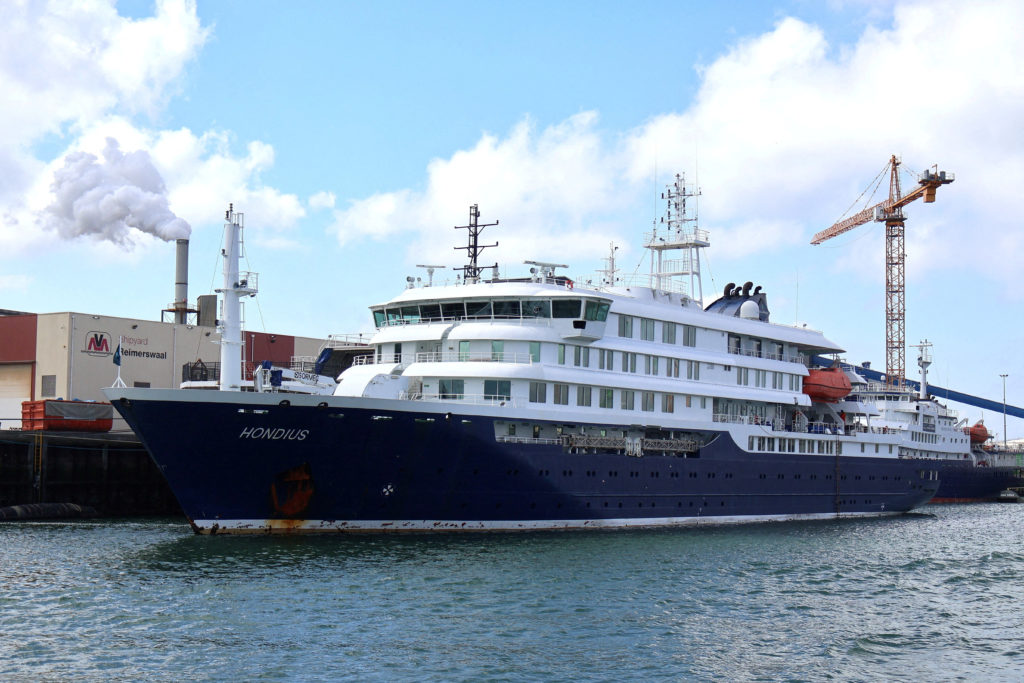
The MV Hondius, a Dutch-flagged expedition cruise ship, arrived at the port of Tenerife in Spain’s Canary Islands on Sunday after a hantavirus outbreak was detected on board. Passengers began disembarking under the supervision of crews in hazmat suits, with the first five individuals seen leaving the ship in protective clothing and masks. They were escorted to shore and expected to continue on flights to their home countries, according to multiple news reports.
The vessel was carrying more than 140 passengers and crew. Spanish authorities had prepared to receive the ship after health officials were alerted to the outbreak. Hantavirus is a rare virus typically transmitted through contact with rodent droppings, urine, or saliva, and can cause severe respiratory illness. The outbreak prompted the ship to divert to Tenerife for evacuation and quarantine measures.
Medical experts quoted by several outlets emphasized that the situation was contained and not comparable to the COVID-19 pandemic. A former Institut Pasteur chief told France 24, “This is not COVID,” and urged calm, noting that hantavirus does not spread easily between humans. A medical epidemiologist on PBS NewsHour explained the virus’s transmission and the low risk to the general public. Ars Technica reported that “risk to the public is currently low,” highlighting that the virus is not airborne in the same way as SARS-CoV-2. These sources stressed the effectiveness of the quarantine and screening protocols in place.
The Washington Examiner and Newsmax reported on the rare nature of the outbreak and the evacuation process, noting that passengers were being transferred to quarantine facilities or the airport. They described the ship as “hantavirus-plagued” and focused on the logistical challenges of disembarking passengers safely. The Washington Examiner mentioned that the Dutch cruise ship was carrying passengers from multiple nationalities and that the evacuation was underway after the ship docked.
Passengers were being screened and either taken to quarantine facilities or allowed to fly home, depending on their health status and exposure risk. The ship’s crew remained on board for further monitoring. Spanish health authorities continued to oversee the operation, and no further spread had been reported. The incident raised awareness about the risks of remote expedition cruises, as noted by CNBC, which reported on the booming luxury expedition cruise industry and the unique health risks in isolated destinations like Antarctica and the Arctic.
Read the original coverage
💬 Comments
📜 Comment Policy